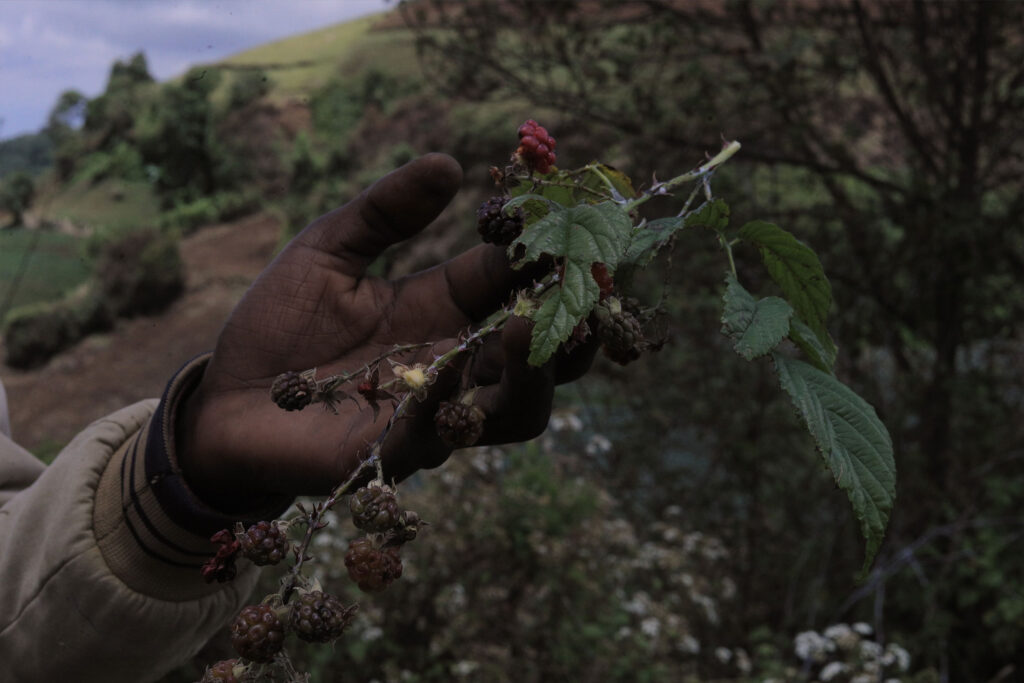
What remains when people are severed from their ancestral landscape?
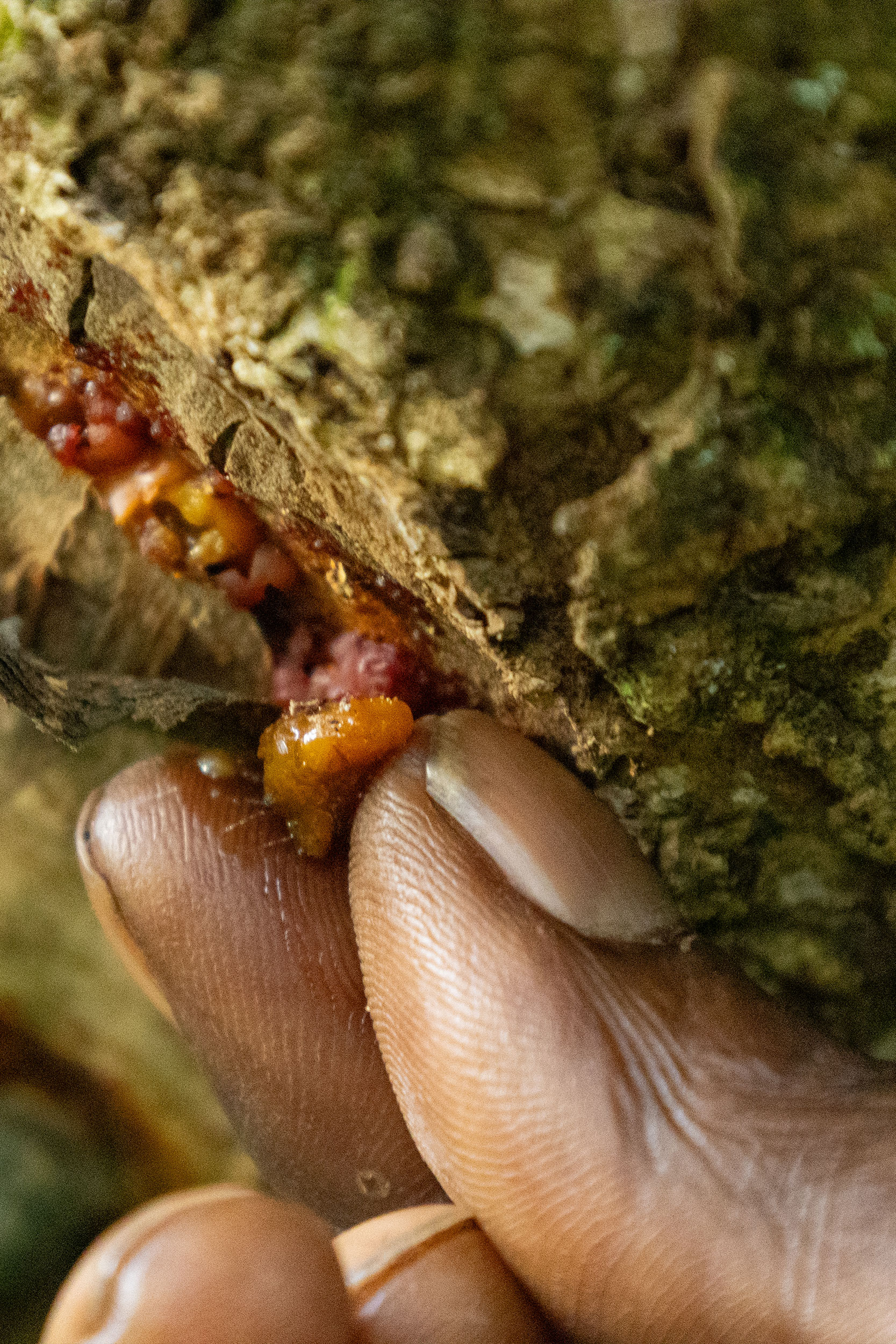
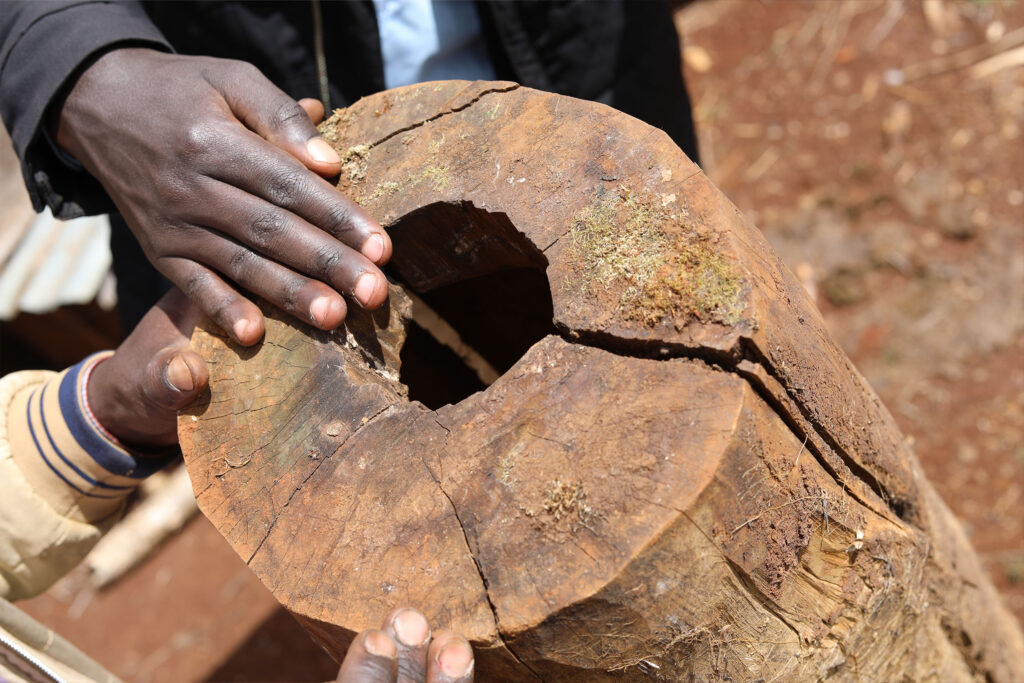
For centuries, the Mosopisyek people have called the high-altitude forests of Mount Elgon their home. Their lives became intricately woven into the fabric of this landscape; every tree, every stream, every cave held meaning that transcended mere resource extraction. Today, Francis Barbel, one of the last generation born in the forest before the evictions, sits in Yatui village demonstrating the ancient art of beehive construction. His weathered hands work with precision, but the materials tell a different story: plastic sheeting where forest vines once sufficed, with metal wire replacing organic fibres.
“The forest was our teacher,” he says, his voice carrying decades of displacement. “Every sound, every scent, every season had something to show us. Now we must remember the trees.”
When Earth Becomes Memory
In the early morning light of Yatui village, women and children move through the settlement collecting different shades of earth. What was once a simple practice of home decoration has transformed into something more profound: an act of cultural preservation through pigment and pattern.
Chebet, Francis’s granddaughter, learns to distinguish between the red ochre that speaks of iron-rich soil and the pale yellow clay that carries stories of ancient riverbeds. Together, they create natural paints that transform humble mud walls into canvases of identity. The geometric patterns they apply are not mere decoration but a visual language encoding knowledge about seasons, ceremonies, and the sacred geography of a homeland now marked forbidden. The practice reveals something profound about displacement: when people are separated from their landscape, that landscape begins to live within them in new ways. The Mosopisyek’s decorative traditions have evolved from casual cultural expression into acts of quiet resistance – assertions of belonging that refuse erasure.
The Honey of Adaptation
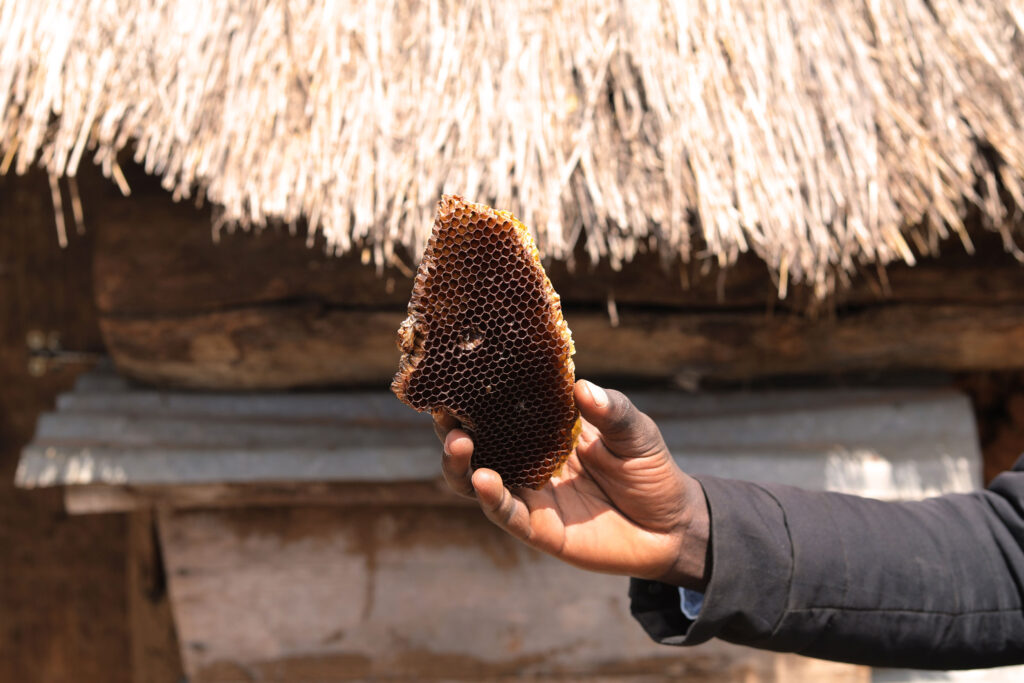
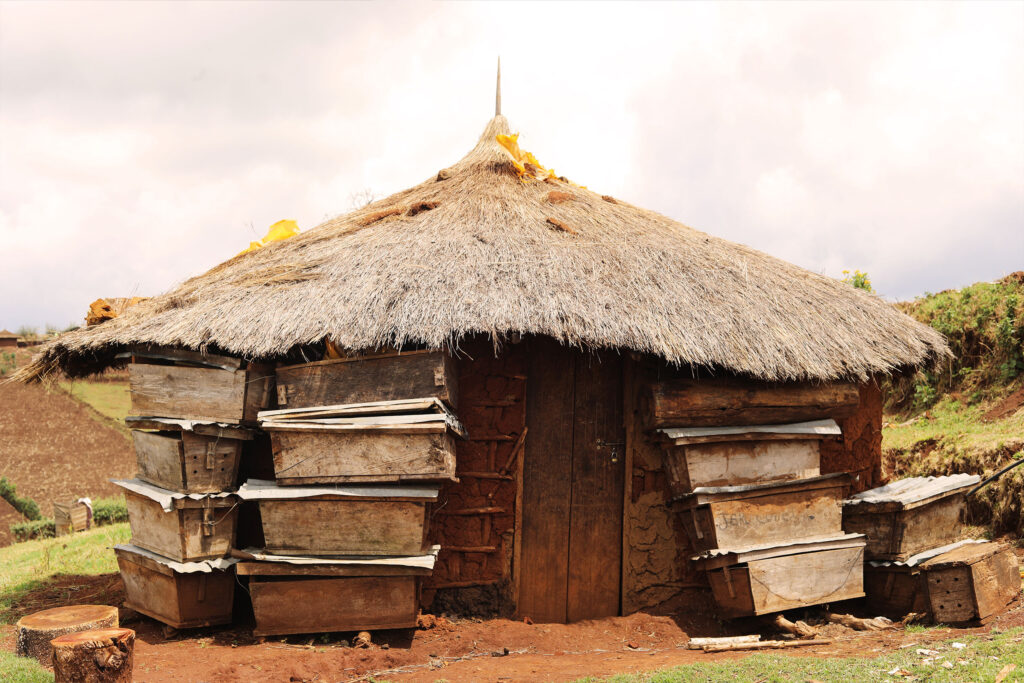
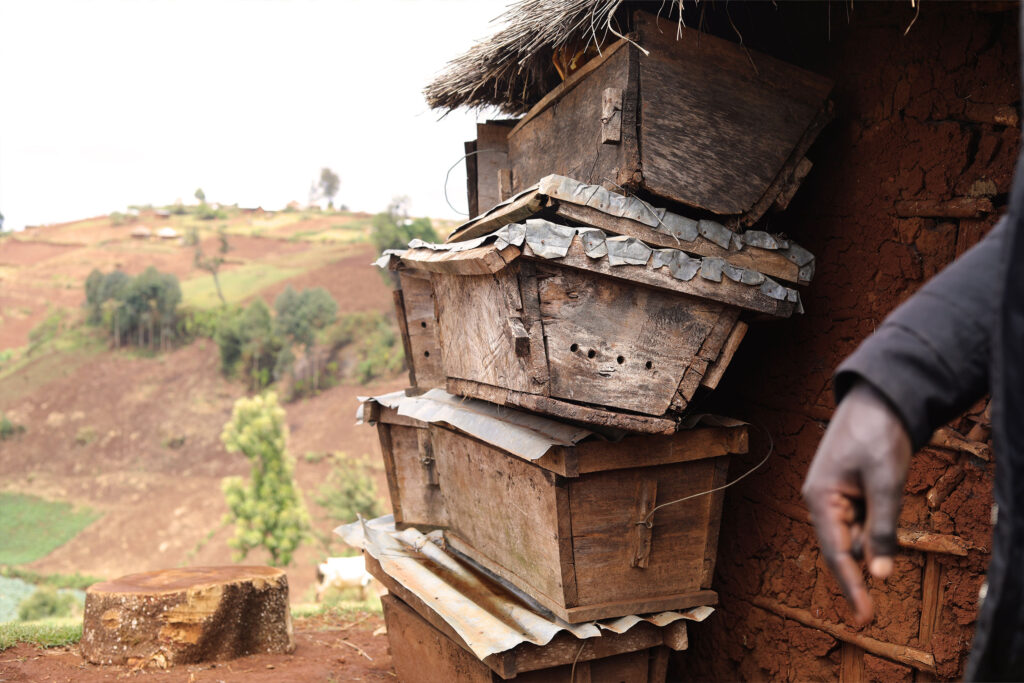
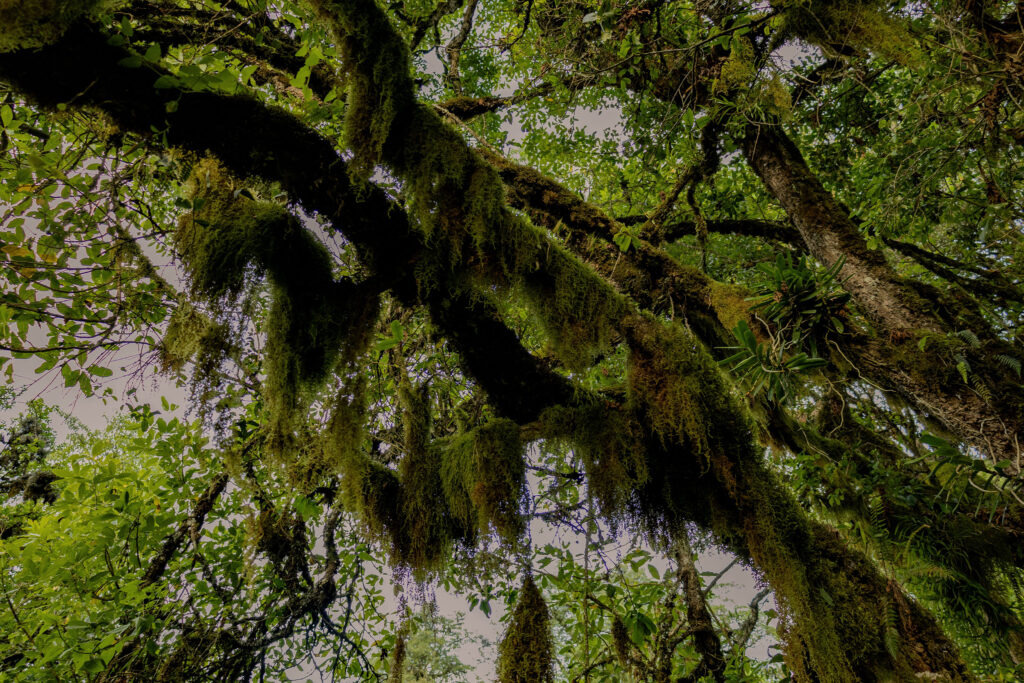
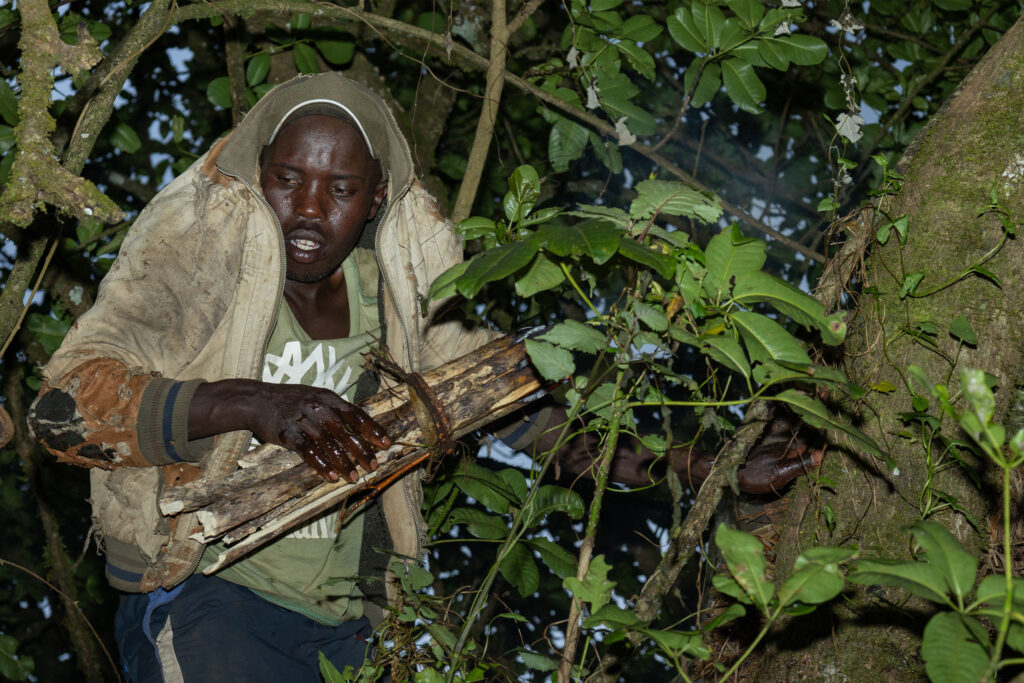
The beehives that now dot the settlement represent both continuity and change. Made from hollowed-out logs and bark where possible, but weatherproofed with modern materials, they embody the Mosopisyek’s remarkable adaptability. In the forest, these hives hung high in the canopy of Elgon teak and red cedar, their placement determined by intimate knowledge of trees and wind patterns.
Francis crafts each hive with the same precision his ancestors used, but something fundamental has shifted. “The bees know the difference,” he observes, watching his colonies work. “They taste exile in the flowers. The honey is still sweet, but it carries different dreams.” The honey produced here lacks the complex flavors that came from the diverse forest ecosystem flavors that once shaped the taste of lakwek, the fermented honey drink central to Mosopisyek ceremonies. More than sustenance, these hives represent repositories of cultural knowledge under constant threat. The specific techniques for wood selection, bee behavior interpretation, and harvest timing embody generations of accumulated wisdom that grows more fragile with each passing year.
“The bees know the difference,” he observes, watching his colonies work. “They taste exile in the flowers. The honey is still sweet, but it carries different dreams.”