
What?
Planted Journal is a BIPOC-led non-profit publication dedicated to bridging the gap between humans and nature for personal and planetary well-being. Our mission is to change the narratives around the climate crisis by sharing stories of creativity that spark hope, connection, and transformation.
Why?
The personal crisis and the environmental crisis are deeply intertwined. Human creative thinking and practices carry great potential to find solutions. We challenge the idea of separation from the natural world and bring forward oneness as a way of existence. By uniting the personal and environmental; human and nature; science and spirituality, we’re able to explore and find solutions to the most pressing contemporary issues related to our culture and climate.
How?
We have created a space for an ever-growing community to share their creativity through multidisciplinary practices, art, and radical journalism—a new narration where stories are shared honouring the rituals, facts, and consciousness of the macro-living entity. We are an extended creative calling of that entity, stemming out to make the collective acknowledge the within. By alchemising the mundane to the meaningful and passion to purpose, and by planting these potent seeds of thought, we aim not only to sustain but also to find cues on how to thrive.
Who and Where?
We’re a translocal organisation with a small, ethnically diverse team based across three continents.
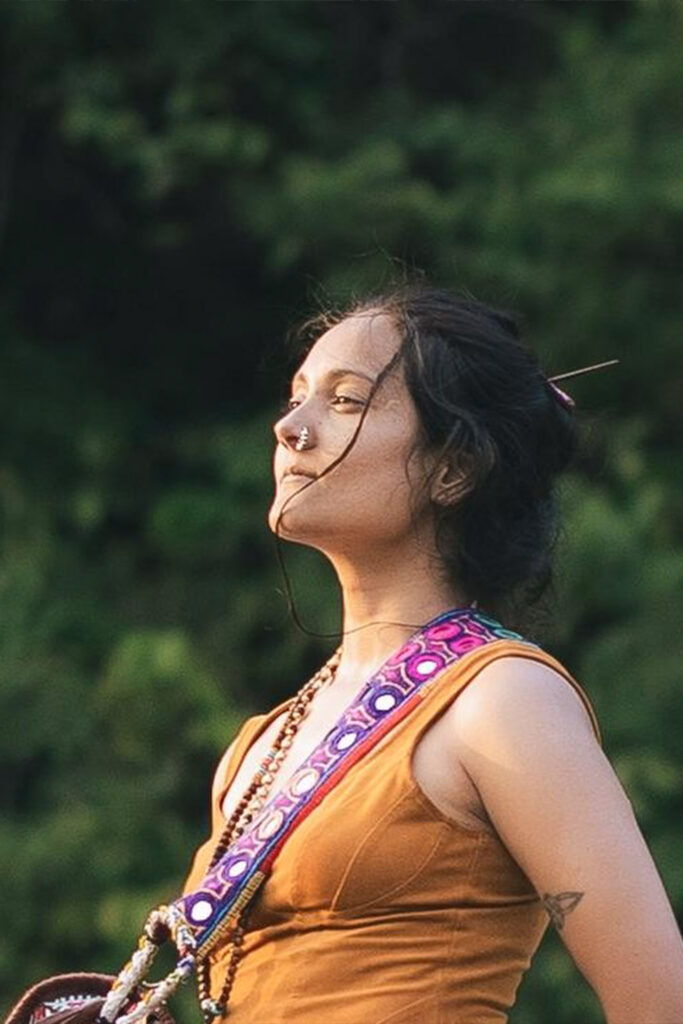
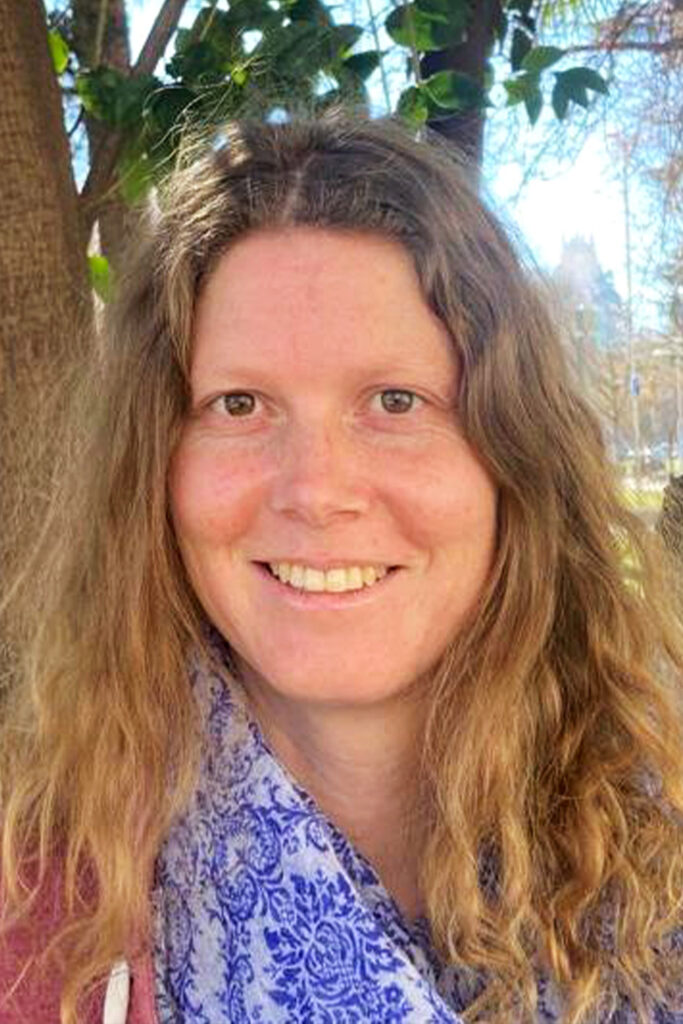
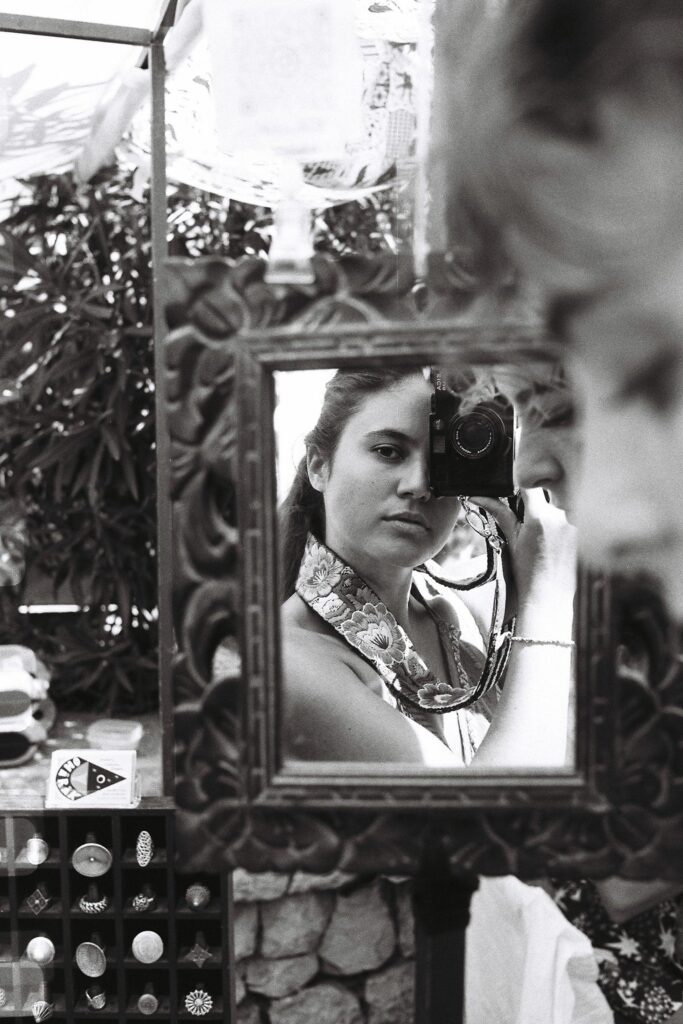
Priyanka Singh Parihar
Founder and EIC
Milan, Italy
Priyanka Singh Parihar is a BIPOC writer, curator, and art director who explores the connection between humans and nature, searching for new ways of being. Hailing from a rural farming community in India and now living in Milan, she views the world through two distinct cultural lenses: East and West, rural and urban.
Why are personal and planetary well-being inseparable?
When we think about the cells within our body, we understand that each exists for a reason, shaped by evolution and essential to the functioning of the whole. I see the human body as a cell within the planetary body; we are here, and we each have a role to play.
Anna Borrie
Associate Editor
Barcelona, Spain
Anna Borrie is an interdisciplinary environmental artist, writer, and researcher. Her transdisciplinary practice explores the intersections of ecology, visual culture, and disability studies. With a background in fine arts and environmental policy, she develops projects that connect artistic production with social research and public engagement.
Why are personal and planetary well-being inseparable?
Everything is interconnected. We are affected by the environments we live in, and in turn we impact the ecosystems that we inhabit. By protecting land, water, and non-human life, we are caring for the ecosystems that provide us with physical and mental wellbeing.
Virginia Melodia
Photography Features Editor
Ibiza, Spain
Virginia Melodia is a creative storyteller. She tells stories through writing, poetry, photography, and video. Her mission is to connect people with nature and our shared humanity. She shares narratives that evoke a deep sense of connection and reverence for our planet and ourselves.
Why are personal and planetary well-being inseparable?
We are nature; therefore, what we do to the planet we do to ourselves.
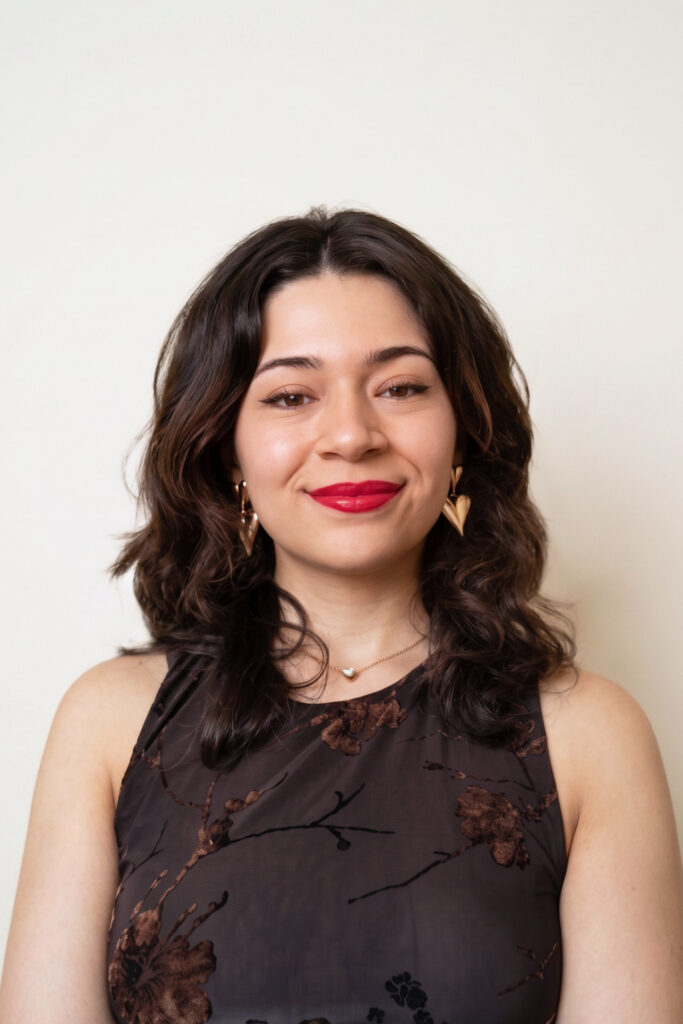
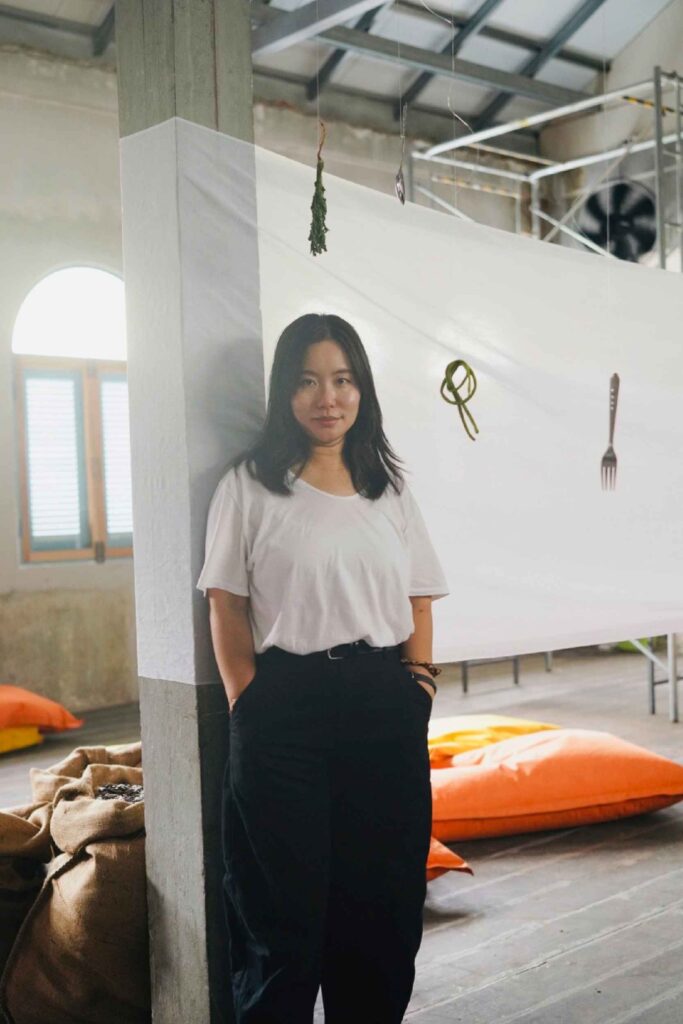
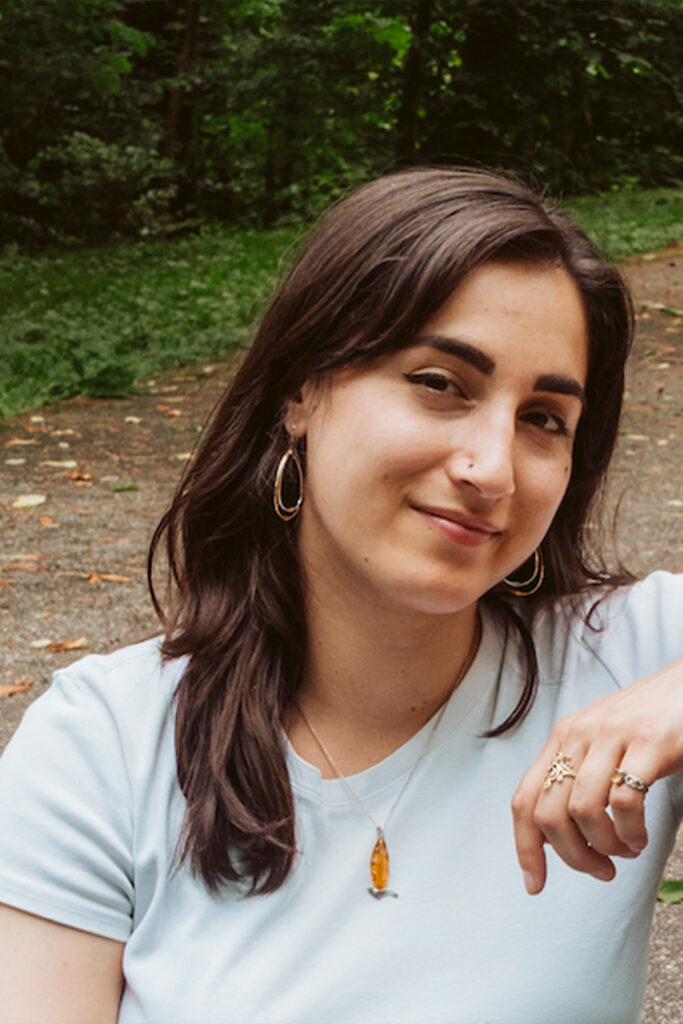
Luisa Valentina Arosa Cely
Graphic Designer
Milan, Italy
Valentina Arosa is a designer and junior researcher based in Milan. With a background in graphic design and a Master’s in Product Service System Design and Design Management, her practice moves between editorial, service, and systemic design, translating research, policy, and complexity into collaborative ground for sustainable transitions and social innovation.
Why are personal and planetary well-being inseparable?
I think of personal and planetary well-being as intertwined systems. Our well-being is shaped by the systems we are part of, just as our actions shape them in return.
Iris Sham Sin Hang
Food Editor
Hong Kong, China
Iris Sham Sin Hang is a multidisciplinary artist and researcher whose practice intertwines food, image and material processes. With a background in politics, law and food-based art research, she explores social justice, collective memory and cultural rootedness. She uses ingredients, fermentation and lens-based work as poetic archives to cultivate tenderness and resilience.
Why are personal and planetary well-being inseparable?
Our bodies and memories are fundamentally nourished by the earth. Food is a living archive of this connection. By approaching ingredients and communal meals as extended gestures of care, we nurture our own resilience while honoring the ecosystems that sustain us.
Sarita Gara
Assistant Editor
Ohio, USA
Sarita Gara is an arts advocate and library worker. She brings a well-rounded perspective from a background of studies encompassing English literature, environmental issues, feminist thought, political identities, and queer culture. Her poem “Late Bloomer” was featured in tiny wren lit’s Earth anthology (2025).
Why are personal and planetary well-being inseparable?
I believe we find fulfillment by extending our sight beyond ourselves to appreciate beauty in our surroundings. By easing the burden on our planet, we ease the burden on each other, a healthy environment making way for a greater personal appreciation of the everyday.
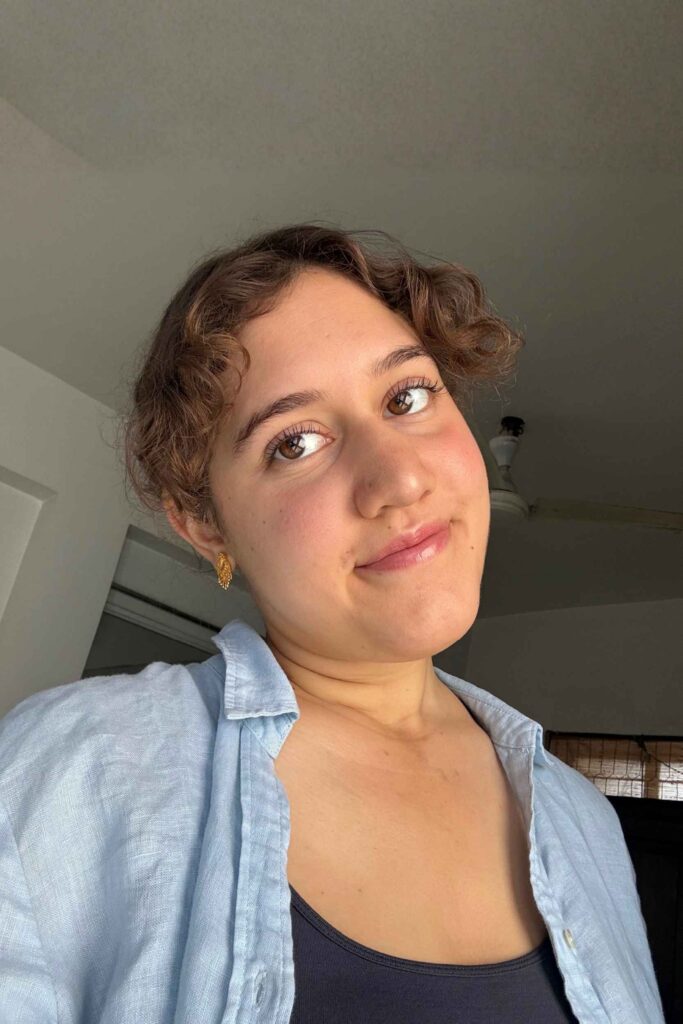
Gaia Gambardella
Fundraiser
Milan, Italy
Gaia Gambardella is a curious mind seeking the wonder and interconnectedness of life. She studied Sustainability Science in Utrecht and recently volunteered with families in rural West Bengal. She finds her calling where sustainability, education and children meet, driven by de-growth. When doubts creep in, she finds comfort in her forever motto: “Beauty will save the world”.
Why are personal and planetary well-being inseparable?
We are One. The boundaries we perceive with the world around us are largely creations of the mind: illusions. Beneath everything lies a deep unity and our choices inevitably ripple through this ecosystem. People and planet are like waves and the ocean: inseparable. And so is our well-being.
Plus an extended group of collaborators who contribute their creativity to Planted Journal
Our contributor community reflects a diverse range of voices and perspectives: 24% are based in the Global South, over 70% identify as women or non-binary, more than half are under the age of 35, 28–33% are emerging artists, over 15% identify as LGBTQ+, and 6% are Indigenous contributors.
Partnerships
We are open for paid storytelling, sponsorships and collaborations with aligned brands, organisations, and institutes.
If your work resonates with us, we’d love to collaborate.
partnerships@plantedjournal.com