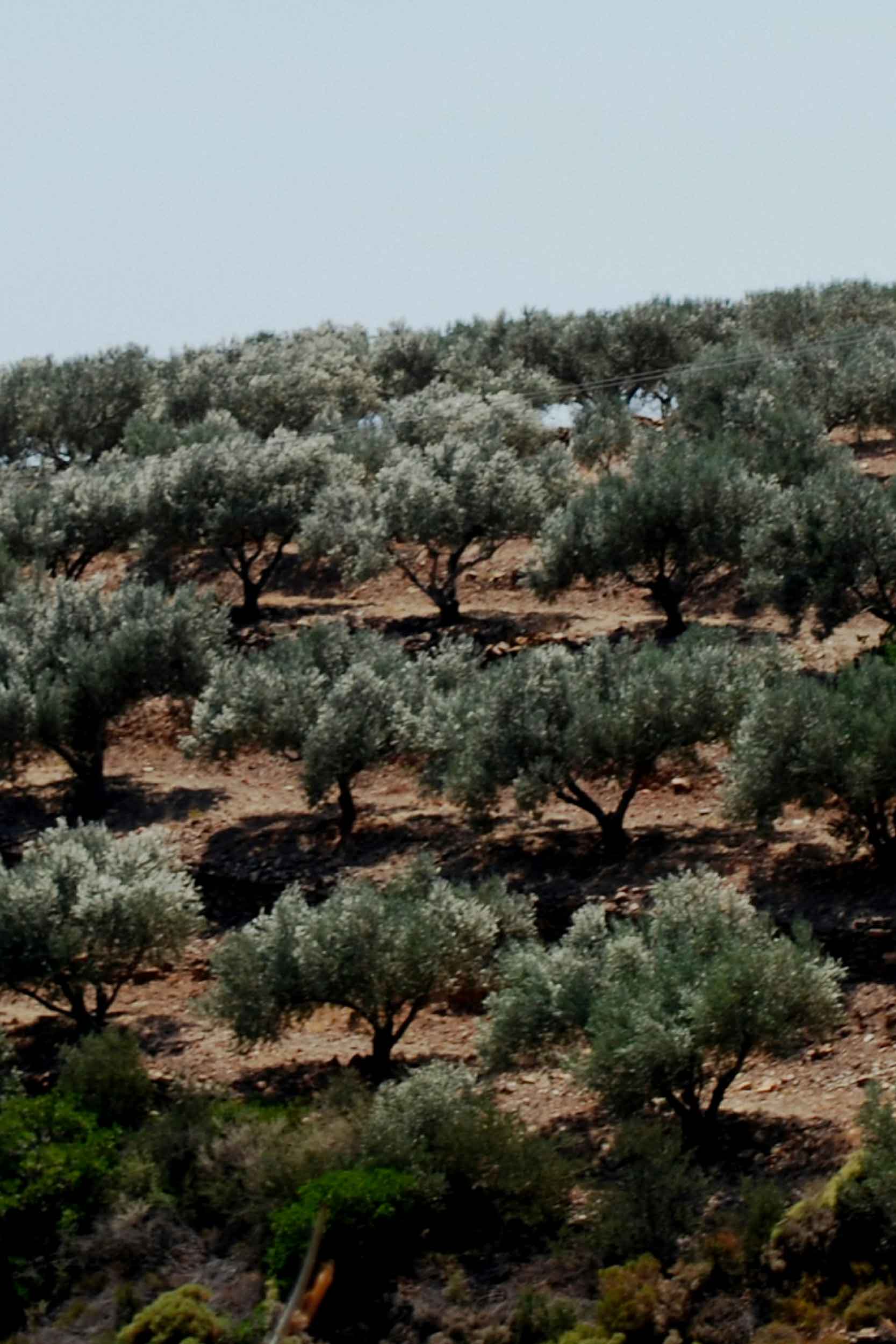



Until quite recently, the connection between food and climate remained unacknowledged within major political discourse, and even now, it remains largely buried beneath discordant public opinions and diversion of priorities by world leaders. The reality of our global agricultural system is staggering: We clear Earth’s venerable forests, trees which shelter a diversity of life and exhale life-giving breath amidst polluted skies, to make way for more grazing land. We disturb the soils that sequester carbon from our warming atmosphere. We cheat wetlands of their water, drain our planet’s rivers, let waste collect and sickness spread; our systems rooted in consumption without restraint. It doesn’t have to be this way.
“The bottom line is that what we eat and how we grow it will shape our future,” writes journalist Michael Grunwald in We Are Eating the Earth, a 2025 reportage on the global food system in the context of climate change. “We’ll have to get more out of the earth without using more of the earth.” The book outlines several interesting considerations for agricultural transformation, but one path in particular, I notice, has the potential to heal the greatest multitude of modern injustices if only we are willing to pursue it: a shift from animal farming to plant-based food systems. Grunwald does not specifically advocate for this transition, but he poses this as one piece of the climate puzzle, whose complexity, he says, largely comes down to our mis-management of land. If implemented alongside other system changes, a shift to plant-based agriculture could even solve humanity’s hunger crisis.
The bottom line is that what we eat and how we grow it will shape our future.
Michael Grunwald,
Author, We Are Eating the Earth


The problem isn’t a lack of food to sustain the human population but our failure to implement systems that efficiently maintain and equitably distribute existing global resources. Climate scientist Dr. Jonathan Foley wrote in 2014 that “only 55 percent of the world’s crop calories feed people directly; the rest are fed to livestock (about 36 percent) or turned into biofuels and industrial products (roughly 9 percent).” A new report by Project Drawdown and the University of Minnesota details decreased efficiency, highlighting that only 50 percent of crop calories were available for humans to eat in 2020.
The problem of resource misallocation extends to water as well. Water scarcity and pollution in areas around the globe are exacerbated by animal agriculture. In the western United States, beef consumption spearheads water shortages, and for the country as a whole, it contributes more than one fifth of the total water footprint of consumers. Thus, to those of us following the research in this sphere, it is clear that a transition away from animal-sourced foods would lead to a greater abundance of resources for human consumption. Such a transition would encourage ecosystem integrity and allow us to solve some of the most pressing issues of today.
However, availability does not equate to access, which necessitates combined efforts to minimise conflict and economic barriers. Moreover, lack of cultural acceptance remains a significant factor that many would-be advocates of plant-based societies view as insurmountable: how do we navigate the complex dynamic between the personal and the collective aspects of food?
Only 55% of the world’s crop calories feed people directly; the rest are fed to livestock (about 36%) or turned into biofuels and industrial products (roughly 9%).
Dr. Jonathan Foley
Climate Scientist




Each meal is rooted in decisions we make at the individual level, according to our personal means and preferences; yet food also serves as a shared experience, affecting and affected by the social dynamics of our lives. More broadly, cultural dietary standards are a reflection of the values a culture keeps or rejects, so the way that food is sourced is inherently a matter of collective responsibility. How can we reconcile the contradictions we encounter within ourselves and among each other? This is one thing the science cannot lay out for us clearly, but researchers recommend a variety of approaches that can be taken by governments and business leaders to incentivise a sustainable food system transition and to ease the burden on consumers.
Grunwald outlines several alternative meat business models in We Are Eating the Earth, both plant-based and cultivated. The one major downside he outlines for the plant-based approach is the lack of market success compared to traditional meats, dairy, and eggs, and cultivated meat remains an even newer invention with fewer market reports to support it. But research and technologies in this realm only continue to improve. Some actors in the alternative proteins business are now catching up to public expectations for taste, and a slew of businesses that have not yet reached broad public awareness are working to deliver new alternatives. Consider the potential of mycelium in producing protein for a growing population—life supporting life without suffering. Plant, fungal, and microbial life thrive around and beneath us. We are only just beginning to realise their benefits.
Organisations like A Well-Fed World—which focuses on addressing global food security through plant-based advocacy, aid, and research—highlight not only the science but also the power of simple dietary changes. Through the internet, we are able to access helpful food guides and initiatives that offer avenues for creativity while encouraging a transition away from animal-sourced foods. Imagine the change that could result from increased public support for alternative products, and with public support, increased financial and political support. There is plentiful opportunity for food system transformation through plant-sourced, cultivated, and fermented foods—we’ve only just scratched the surface.


At the same time, Foley, Grunwald, and others consider the benefits of paths that remain rooted in the suppression of sentient beings we call livestock. One argument presents increased yields by concentrated animal feeding operations as a solution to avoid agricultural expansion into thus-far uncleared lands. But can we trust that industry leaders will not sacrifice the health of workers and surrounding communities as they have done historically? Should we believe that so-called higher-efficiency production methods will yield the results we need—to ensure the conservation of land, protection of our remaining environmental resources, and feeding of the human population—when established trends and past campaigns for efficiency have raised significant ethical and environmental concerns? So many production adjustments made in the name of efficiency have accelerated the climate crisis rather than mitigating it. It seems all too possible that our continued rallying behind these operations will perpetuate the dangerous loop in which agriculture leads to harmful climate impact which hinders future agriculture.
Another suggestion is a focused shift away from beef, as cattle farming is the most environmentally detrimental of the whole of animal agriculture. This could go a long way in getting us to our climate goals; however, advocating for the increased exploitation of one kind to replace the reduced exploitation of another, such as substituting chickens for cows, surely contradicts the human heart’s capacity for compassion. And if our goal is to not only reduce our current trends of planetary harm but also move towards harmony, manipulating the lives of animals through hormone implants, food additives, and the reduction of their existence to what value they provide for humankind is not a viable long-term path.
There is no one solution to solving the hunger, deforestation, and climate crises. Multifaceted and overlapping, the most pressing issues of today must be approached from a multitude of angles. Each of us can choose to live mindfully and waste less. Collectivisation of motivated individuals and organisations can lead to policy and market change. Reallocation of government subsidies can incentivise agricultural transformation and help reconcile economy and ecology, aligning food prices with environmental costs. Simultaneously, ecologists must continue the vital work of restoring peatlands, and of course, we must reduce use of fossil fuels—the number one climate concern, inextricably intertwined with animal agriculture yet also deeply pervasive in other sectors. Altogether, these efforts can guide us in the direction of a sustainable alternative to our current system.
We will see many technological fixes in our lifetime, yet systemic change is key, and both necessitate a concurrent shift in cognition. The more we sideline dietary change and dismiss its wide-scale effectiveness—the longer we condone exploitation in the name of efficiency—the less motivated we will be to invest in plant-based agriculture and food cultivation even as a conjoined effort with other methods of climate action.
Those of us engaged in the environmental sphere often view public resistance to change as unfathomable in the face of severe climate warnings, but perhaps it’s precisely due to the urgency of messaging that so many are unwilling to change—compelled by dread to inaction. We speak in terms of scarcity—of resources, of common sense, of paths forward that don’t lead to total societal collapse—often unintentionally playing into the same mindset encouraged by the capitalist economy. We retreat into ourselves and into competition with each other. By instead reframing our perspective, moving from the scarcity mentality towards one of abundance and harmony, we may very well find the energy to come together for each other and for the climate.
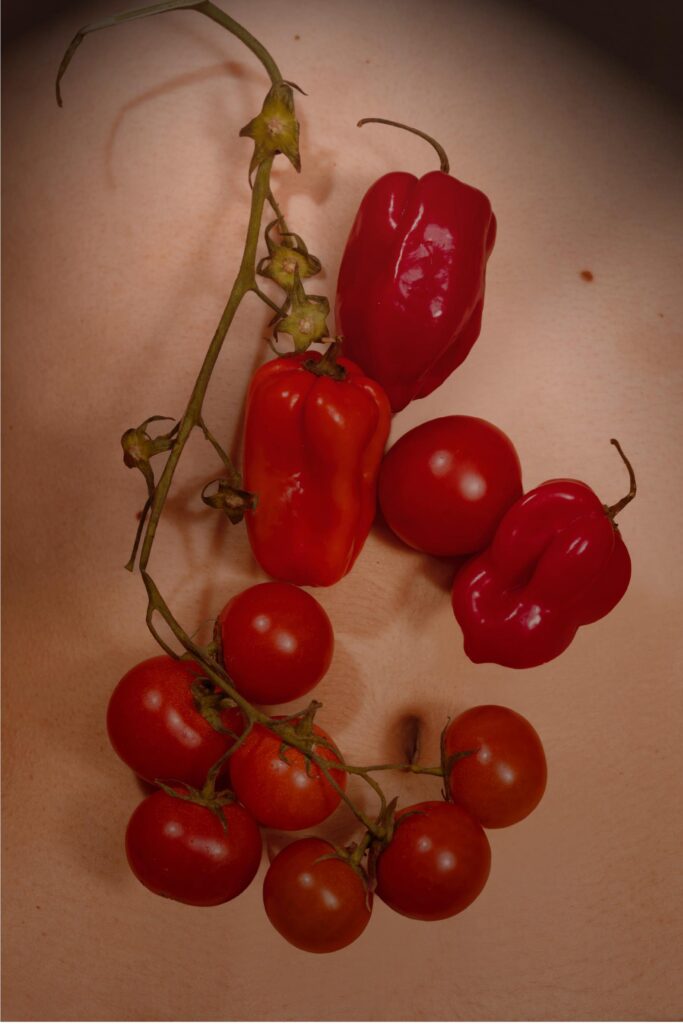
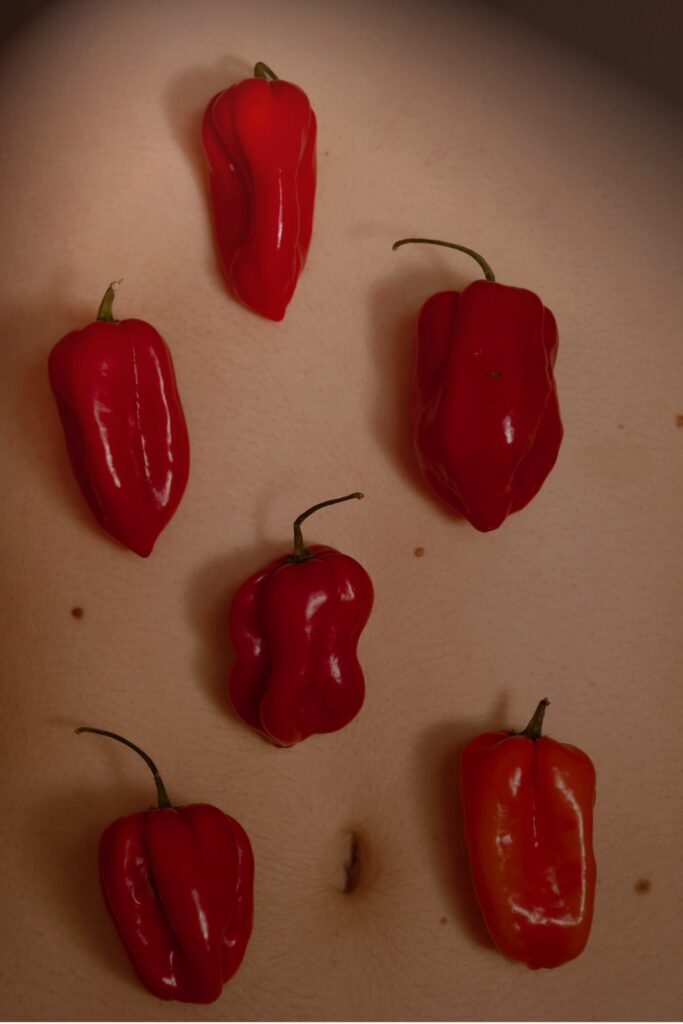
Andrea Giulia Santorum Photographed by Giovanni Santarelli
Art Direction and Styling by Priyanka Singh Parihar
Words by Sarita Gara
Sarita Gara is Assistant Editor at Planted Journal. She lives and works in Ohio, USA, travelling often to other states for pleasure or to visit loved ones. She is an arts advocate and library worker, bringing a well-rounded perspective from a background of studies encompassing English literature, environmental issues, feminist thought, political identities, and queer culture. She has written many articles for Medium and served as editor for various independent magazines and projects. Sarita takes great pleasure in working at the bridge of her interests to explore the human/nature connection.