
What?
Planted Journal is a BIPOC-led non-profit publication dedicated to bridging the gap between humans and nature for personal and planetary well-being. Our mission is to change the narratives around the climate crisis by sharing stories of creativity that spark hope, connection, and transformation.
Why?
The personal crisis and the environmental crisis are deeply intertwined. Human creative thinking and practices carry great potential to find solutions. We challenge the idea of separation from the natural world and bring forward oneness as a way of existence. By uniting the personal and environmental; human and nature; science and spirituality, we’re able to explore and find solutions to the most pressing contemporary issues related to our culture and climate.
How?
We have created a space for an ever-growing community to share their creativity through multidisciplinary practices, art, and radical journalism—a new narration where stories are shared honouring the rituals, facts, and consciousness of the macro-living entity. We are an extended creative calling of that entity, stemming out to make the collective acknowledge the within. By alchemising the mundane to the meaningful and passion to purpose, and by planting these potent seeds of thought, we aim not only to sustain but also to find cues on how to thrive.
Who and Where?
We’re a translocal organisation with a small, ethnically diverse team based across three continents.
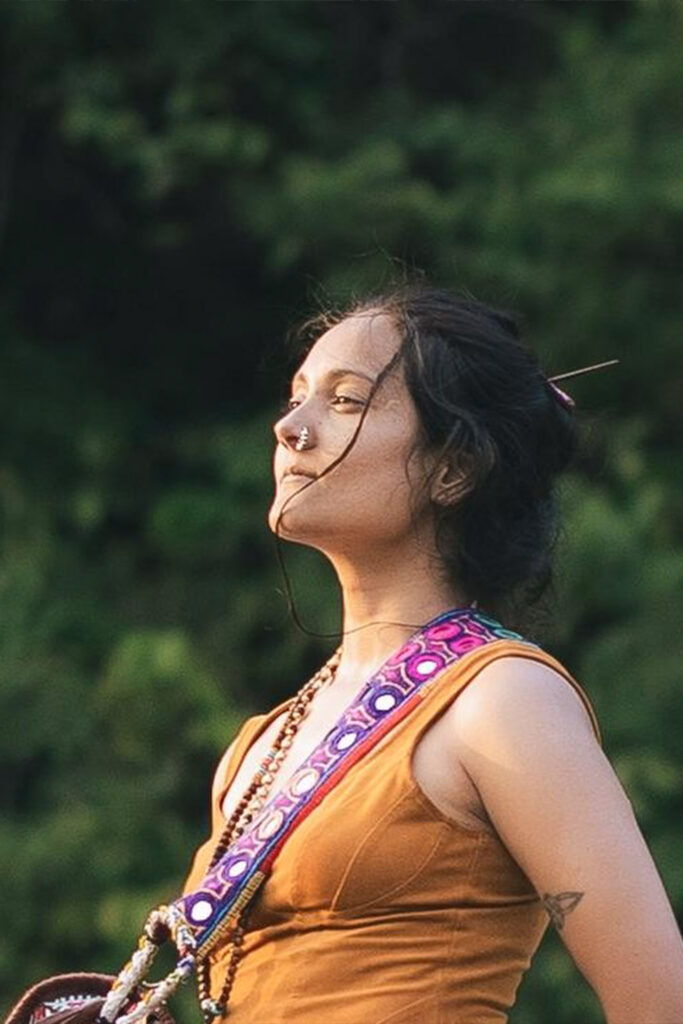
Priyanka Singh Parihar
Founder and EIC
Milan, Italy
Priyanka Singh Parihar is a BIPOC writer, curator, and art director who explores the connection between humans and nature, searching for new ways of being. Hailing from a rural farming community in India and now living in Milan, she views the world through two distinct cultural lenses: East and West, rural and urban. Her work with Planted Journal began during a period of severe depression and eco-anxiety. Through her creative practice, she found a path to recovery. With a background in history honours from Delhi, which equipped her with critical and academic tools, and training in fashion styling in Milan, where design, fashion, and aesthetics shaped her creative direction, she is committed to applying her expertise to the field of climate justice.
Why are personal and planetary well-being inseparable?
When we think about the cells within our body, we understand that each exists for a reason, shaped by evolution and essential to the functioning of the whole. I see the human body as a cell within the planetary body; we are here, and we each have a role to play. As someone who has experienced severe depression and found recovery through somatic practices and creativity, even when Western medicine suggested otherwise, this inseparability and relationship between the body and the Earth is part of my being. I trust in the miracles of the Earth; I believe we are only limited by our lack of imagination, and collapsing ‘modern’ systems are a wake-up call to return to the true nature of our human nature.
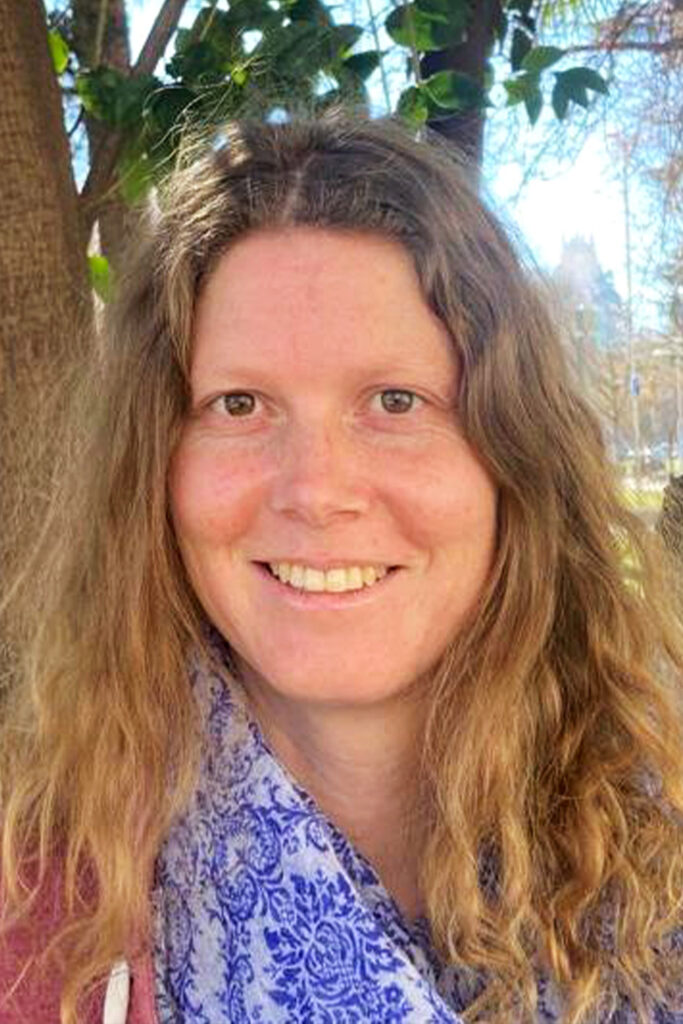
Anna Borrie
Associate Editor
Barcelona, Spain
Anna Borrie is an interdisciplinary environmental artist, writer, and researcher. Her transdisciplinary practice explores the intersections of ecology, visual culture, and disability studies. With a background in fine arts and environmental policy, she develops projects that connect artistic production with social research and public engagement.
Her work emphasises zero-waste practices and environmental responsibility, seeking to harmonise creativity with ecological care and collective futures. Reimagining how to create without inadvertently creating waste is what underlies her creative process and motivations. This is reflected in the articles they write and research, which are centred around planetary wellbeing and its direct connection to human wellbeing.
Why are personal and planetary well-being inseparable?
Everything is interconnected. We are affected by the environments we live in, and in turn we impact the ecosystems that we inhabit. By protecting land, water, and non-human life, we are caring for the ecosystems that provide us with physical and mental wellbeing.
Virginia Melodia
Photography Features Editor
Ibiza, Spain
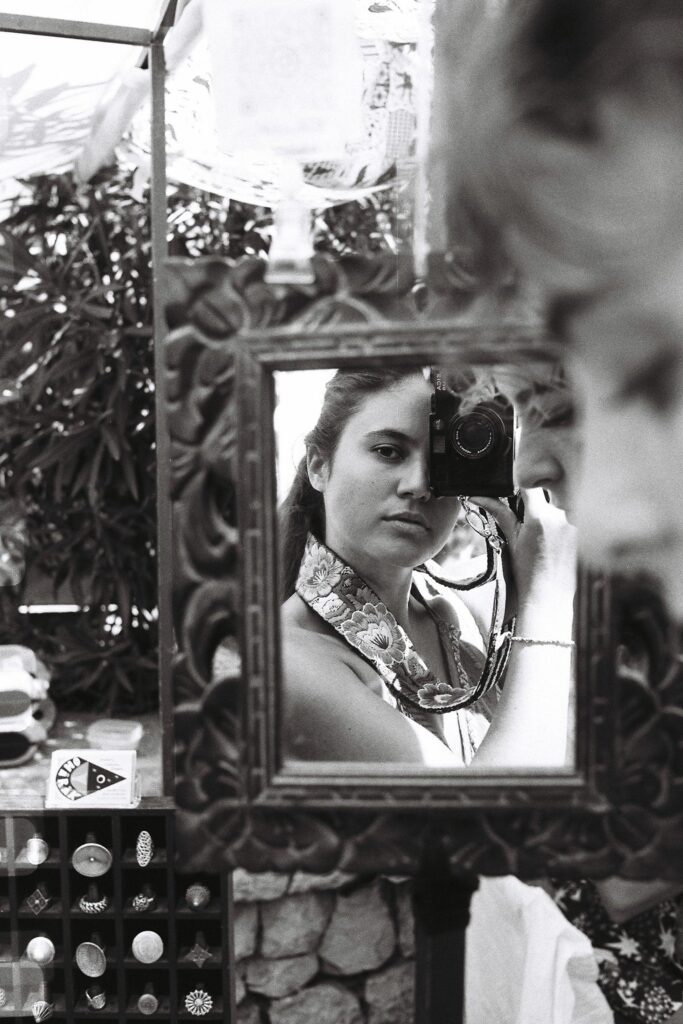
Virginia Melodia is a creative storyteller. She tells stories through writing, poetry, photography, and video. Her mission is to connect people with nature and our shared humanity. She shares narratives that evoke a deep sense of connection and reverence for our planet and ourselves. As a creative, Virginia loves shaping experiences that feel alive and draw people in. Growing up between languages and living in different countries opened her eyes to many ways of seeing, which taught her to value the beauty in every culture and viewpoint. She looks for inspiration in the world as it unfolds around her—the honesty of nature, the intensity of human feeling, and the many layers of everyday life. She believes storytelling can help us understand one another, look inward with courage, and ignite positive change in the world.
Why are personal and planetary well-being inseparable?
We are nature; therefore, what we do to the planet we do to ourselves.
Rebecca Wickham
Graphic Designer
Melbourne, Australia
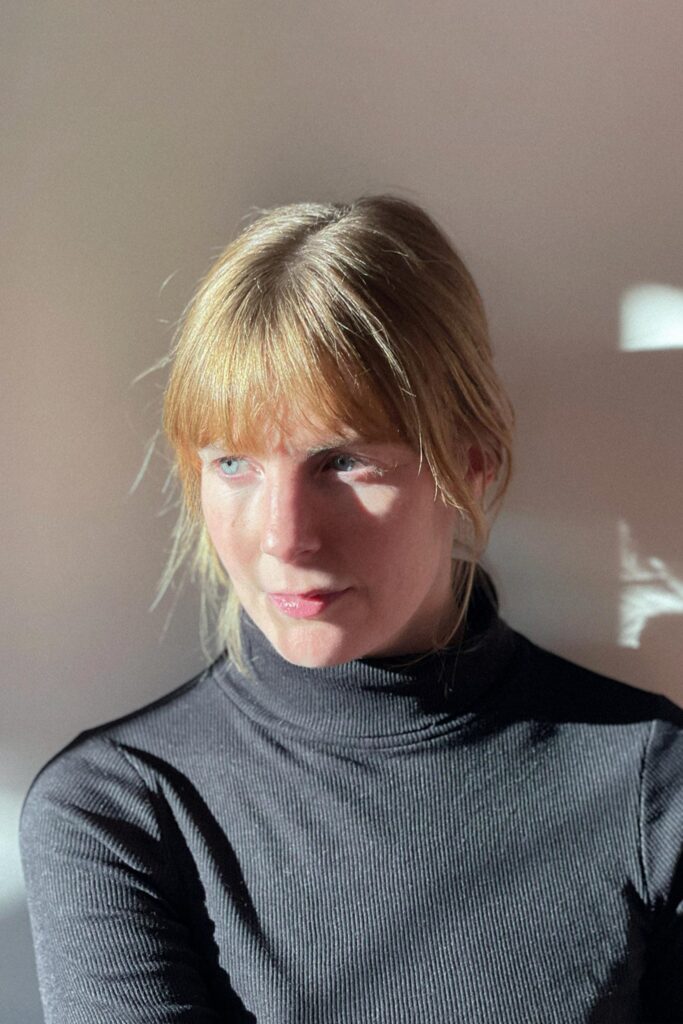
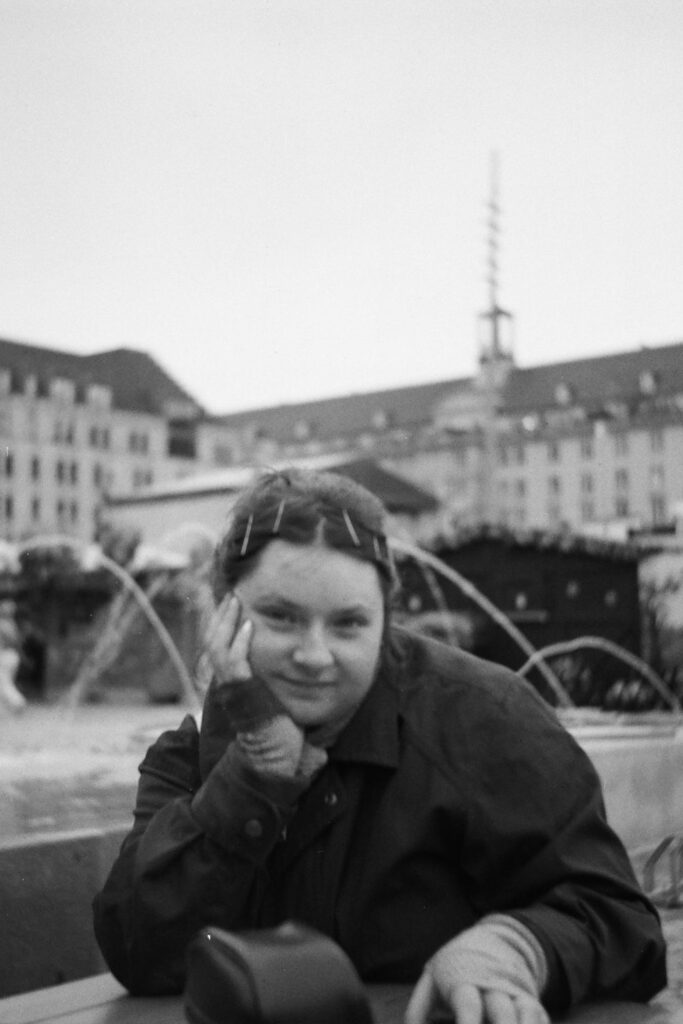
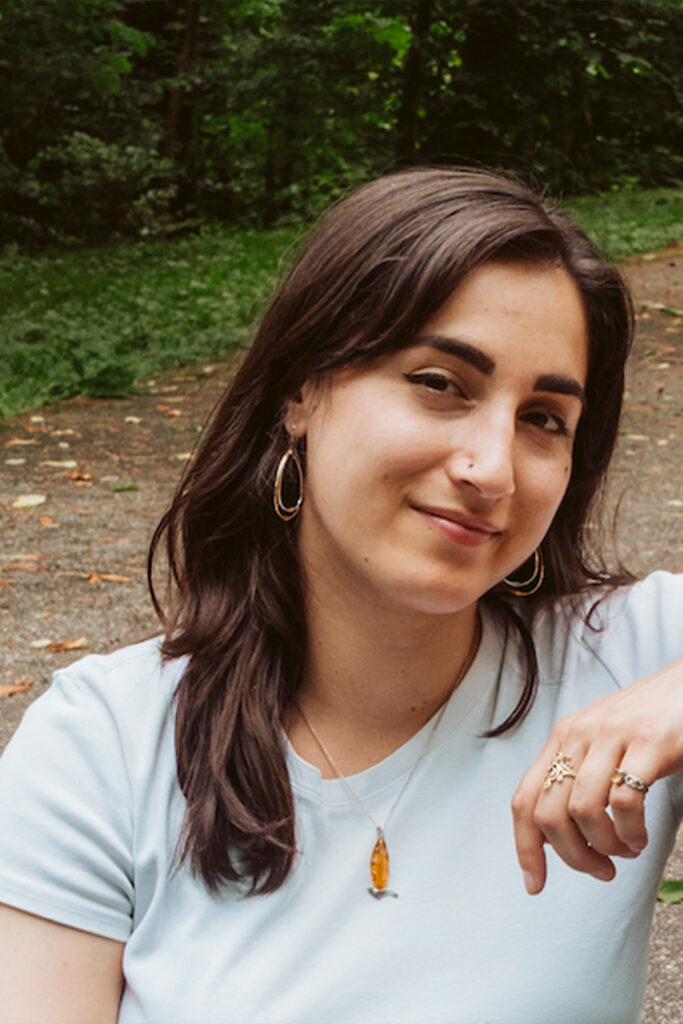
Rebecca Wickham is an artist and designer from Gadi/Sydney. Her work is primarily focused on the climate crisis, ecology, and landscape. With a BA in design and an MA in photojournalism and documentary photography, her research-based practice encompasses image, text, sound, and sculpture, exploring the entanglement of nature and humanity through the traces we leave on each other. Rebecca is interested in the materiality of place and often works directly with the environment to bring a record of its history and physicality into the work.
Why are personal and planetary well-being inseparable?
Growing up in a country where the environment is shaped by the ongoing effects of colonialism has impressed on me the inseparability of people and the planet. Our bodies are not distinct from the earth we walk on but are ecological, porous, and tangled in the stuff of the world—our skin is not the end of us. I believe that the health of the planet is reflected in our relationship with it, and that any solutions to the environmental crisis must first involve a more reciprocal way of being.
Madeleine Freundlich
Food and Agriculture Editor
Bologna, Italy
Madeleine Freundlich is a researcher, writer, and farmer who seeks to weave the threads that connect land stewardship to cultural futurity. Growing up in the American northeast, Madeleine’s outlook is informed by walks through the undergrowth, blueberry patches, and a deep sense of agricultural community. Having worked as a vegetable farmer, weaver, and cheesemaker, her sense of self is grounded in an understanding that labour has the potential to be a daily artistic expression. In turn, her background in fibre arts forms her perspective on sustainable systems that value cyclical thinking, craftwork, and meaning-making through the landscape.
As a writer, Madeleine is interested in exploring artisanality as an expression of both scientific inquiry and artistic practice.
Why are personal and planetary well-being inseparable?
Simply put, there is little difference between us and the planet. The same destructive processes that exploit the earth are the ones that pollute our bodies. Pesticides that obliterate microbacterial communities in the soil and foment desertification also create hazards for agricultural workers and consumers. Destroying our environments contributes to the destruction of the self and serves to abstract people from their understanding of community. Similarly, by participating in the work of ecological restoration, folks can establish relationships with processes larger than ourselves and start to rebuild our relationships with landscapes that nurture us.
Sarita Gara
Assistant Editor
Ohio, USA
Sarita Gara is a creative being who lives and works in Ohio, USA, travelling often to other states for pleasure or to visit loved ones. She works in both publishing and library services, bringing a well-rounded perspective from a background of studies encompassing English literature, environmental issues, feminist thought, political identities, and queer culture. She also possesses expertise in music performance and arts administration.
Sarita has written several articles on Medium and has served as an editor for multiple independent magazines and projects. A lifelong environmentalist, she takes great pleasure in working at the bridge of her interests to explore the human/nature connection. Her poem “Late Bloomer” was featured in tiny wren lit’s Earth anthology (2025).
Why are personal and planetary well-being inseparable?
I believe that the way to feel most fulfilled in life is by extending our sight beyond ourselves to appreciate beauty in our surroundings—in the people, places, and cultural elements we encounter, even if only in one section of the world where we live. Of course, it is much easier to recognise beauty when the air is clean and the water is clear. By easing the burden on our planet, we ease the burden on each other, a healthy environment making way for a greater personal appreciation of the everyday.
Plus an extended group of collaborators who contribute their creativity to Planted