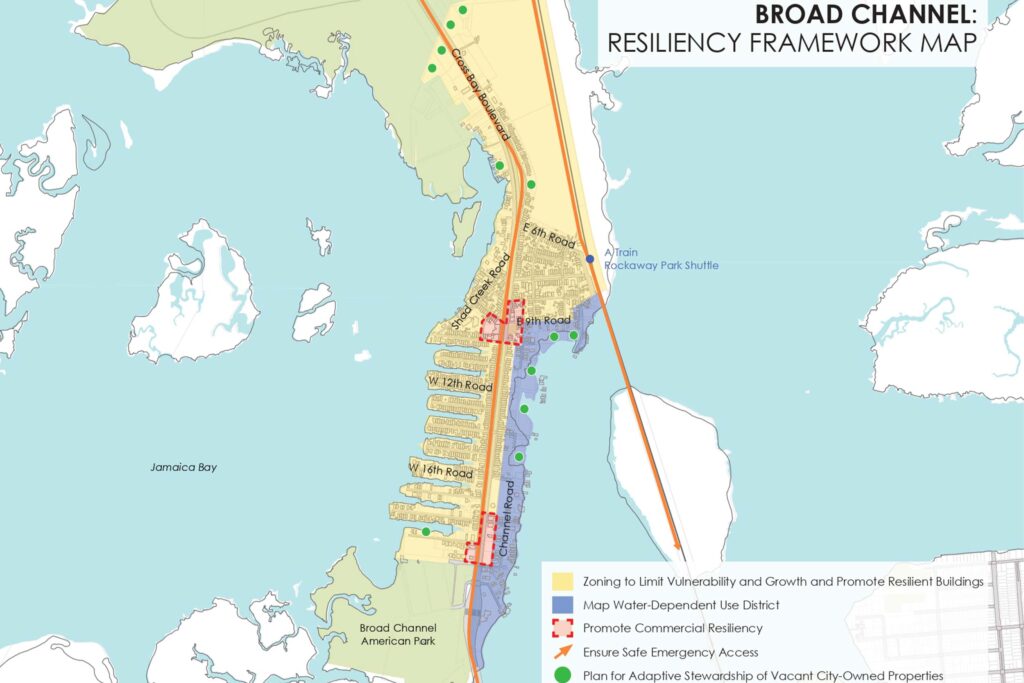
On the island of Broad Channel, New York, all stories begin with the water: Boats sit parked on the streets like cars, calendars follow the moon to track the tides, and children sometimes paddle to school by kayak. In this ongoing documentary project, set in a town barely twenty blocks long and four blocks wide, I trace how a deep-rooted seaside community lives at the edge of climate change. According to current projections, more than 95% of Broad Channel’s properties will face severe flooding within the next thirty years. Much of the island will disappear. My project seeks not only to document how residents coexist with the water but also to build a living archive of a vanishing way of life, an archive of houses, docks, flood lines, objects, and gestures that soon will be gone.
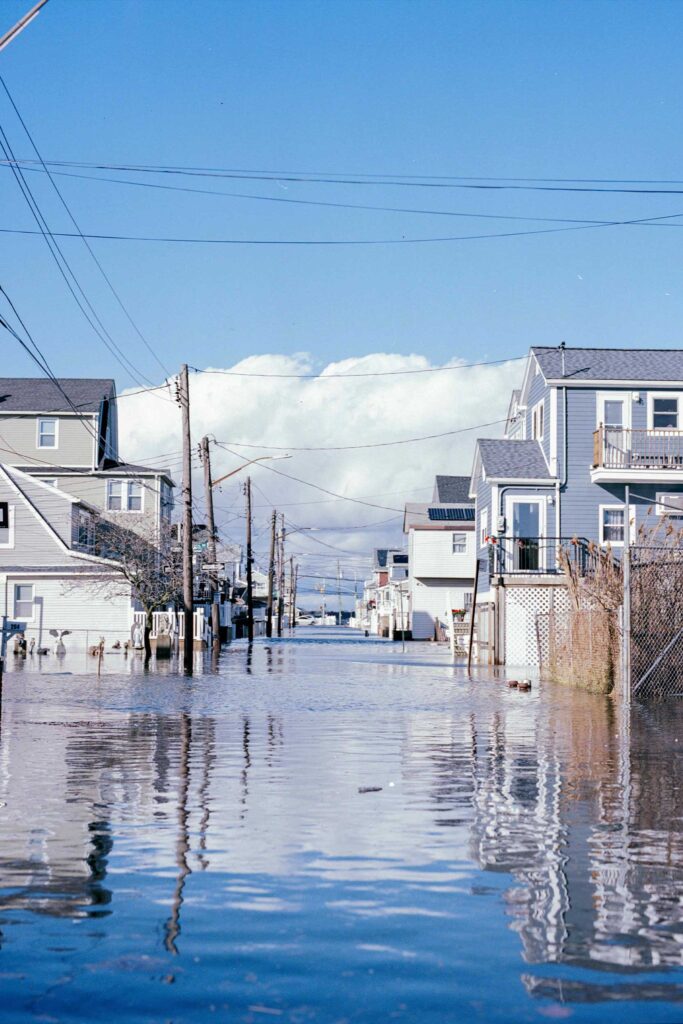
Broad Channel is the only inhabited island in Jamaica Bay, New York City. Just a few subway stops from Manhattan, it feels like another world: a small, insular community that literally lives on water. Life here is deeply vulnerable to flooding. Because the neighbourhood sits so low and is entirely surrounded by the waters of the bay, every heavy rainfall and every high tide can push water directly into the streets. When the two meet, asphalt turns into shallow streams.
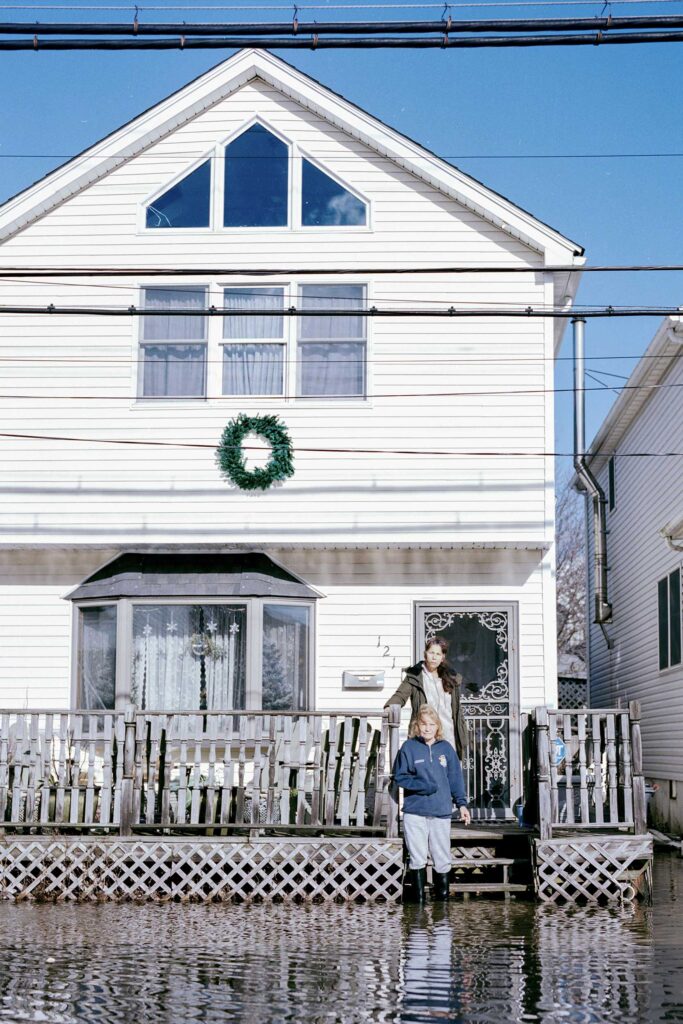
Two Broad Channel residents standing in front of their homes on East 6th Road during one of the major floods of 2024
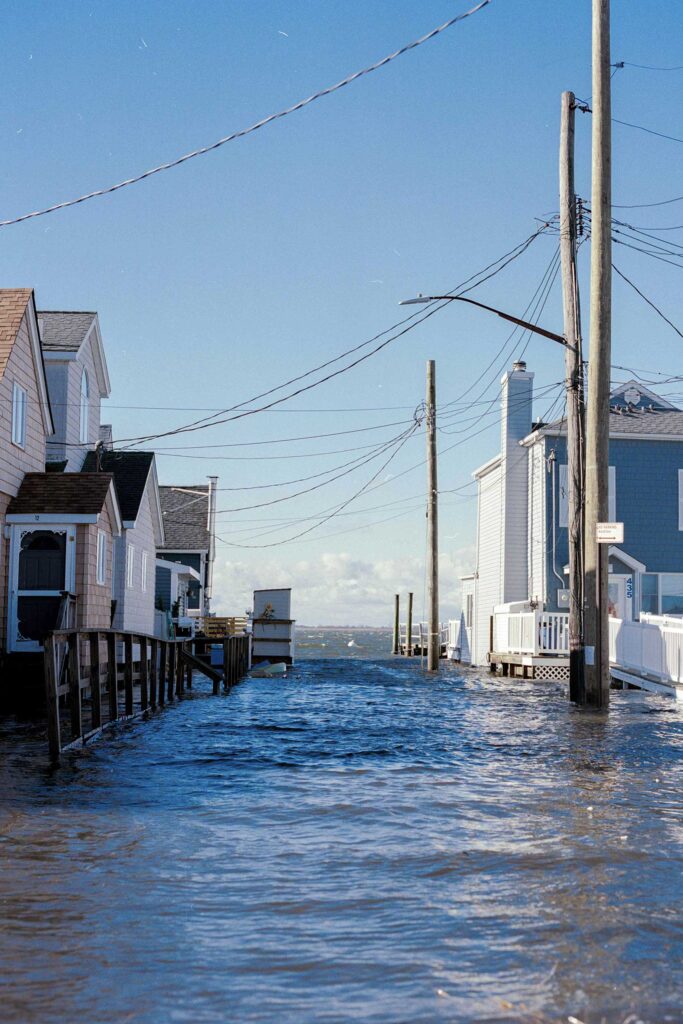
Cross Bay Blvd at W 5th Rd during one of the major floods of 2024, when the water rose high enough to submerge streets and the stilts beneath the houses.
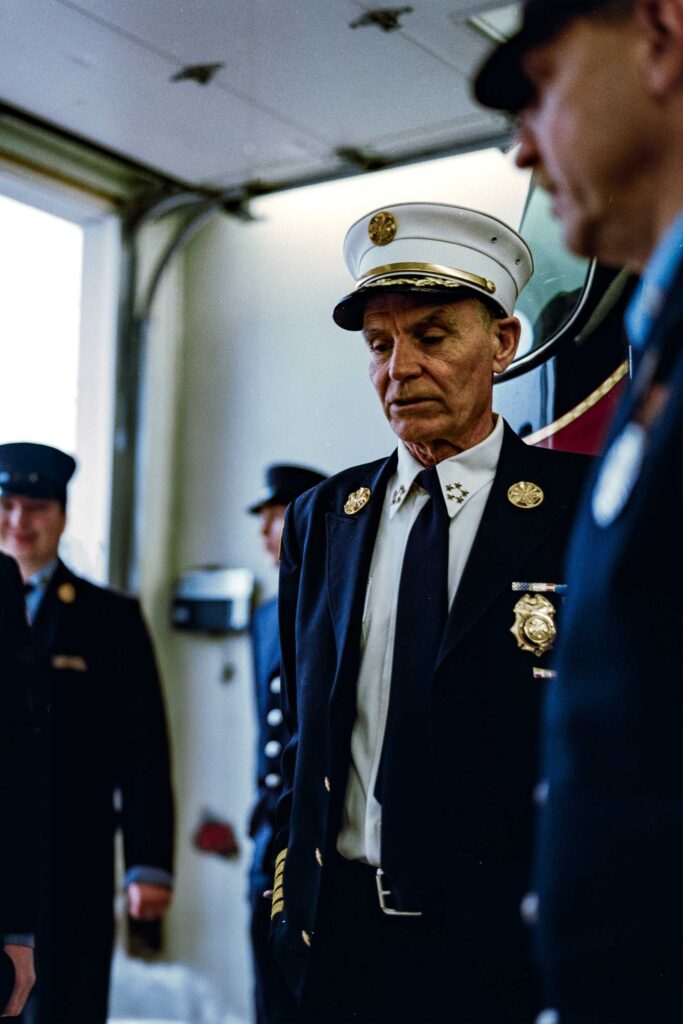
Three firefighters, Lenny on the right, at the local Fire Department. Lenny once told me: “Here, we learn about water long before we learn about fire.” The island’s heartbeat is its community: residents often work as civil servants, emergency workers, or in other public roles, reflecting a culture of care, responsibility, and connection that binds everyone together
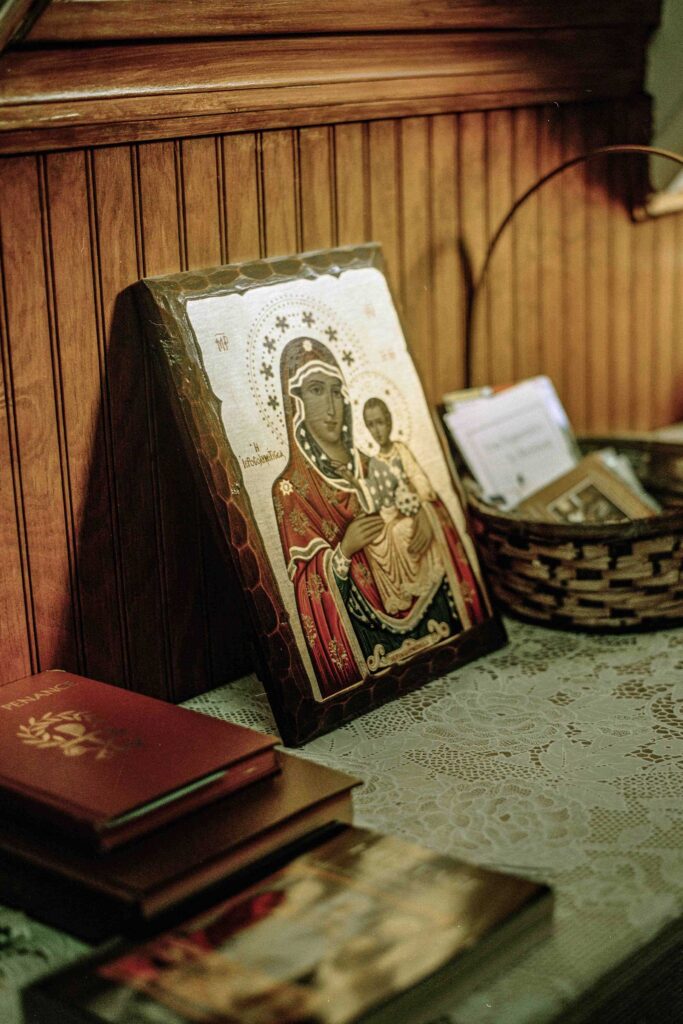
The island is small, almost entirely made of residential buildings, yet the few structures that stand have taken on an outsized weight, especially the two churches sitting on the same narrow street. In a place where most things are temporary, rebuilt, or slowly slipping toward the water, their presence feels almost defiant. The symbols of this church in this photograph are one of those anchors. St. Virgilius is modest, worn by decades of storms and salt, but it remains one of the few communal rooms where people gather with a sense of continuity. Fundraisers, wakes, spaghetti dinners, vigils, rehearsals: rooms like this become the social architecture of Broad Channel.
Until the early 1980s, the land did not belong to the people who lived here but to New York City. After years of organising and legal disputes, residents finally won the right to purchase the ground beneath their homes. That history of struggle reflects a deeper truth: this is not simply a place “at risk”. It endures because people have chosen, again and again, to adapt, to resist, and to live with the water.
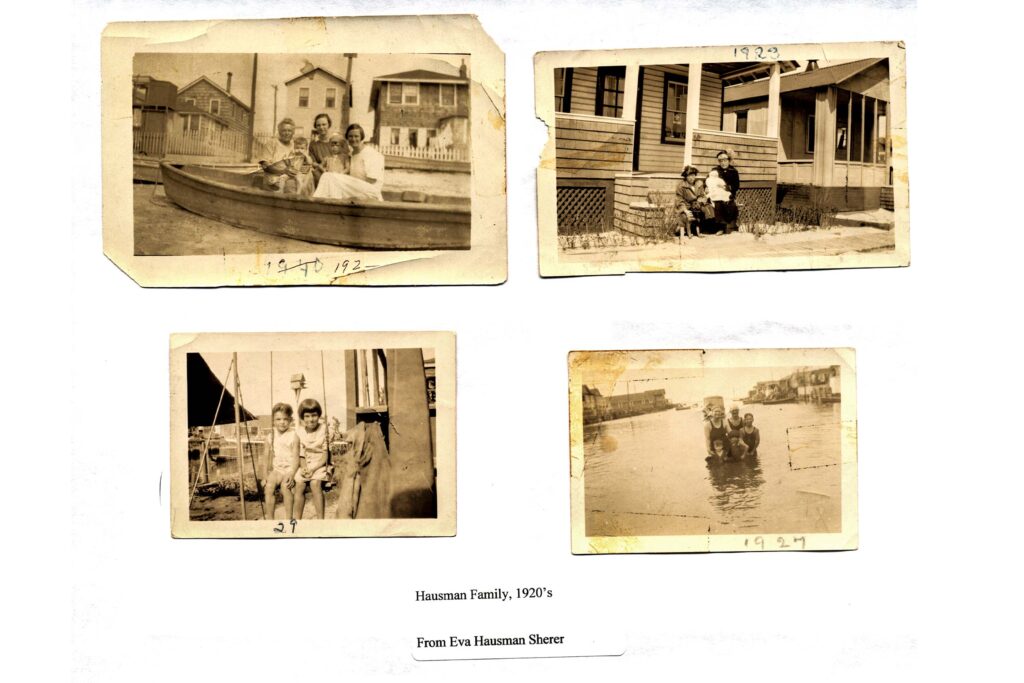
Looking at historical photographs, it becomes clear that flooding has always been part of Broad Channel. For many residents, rising waters are not a threat but simply a continuation of what has always been present. In Broad Channel, every wave that reaches the doorstep carries a memory and a promise: that life will persist.
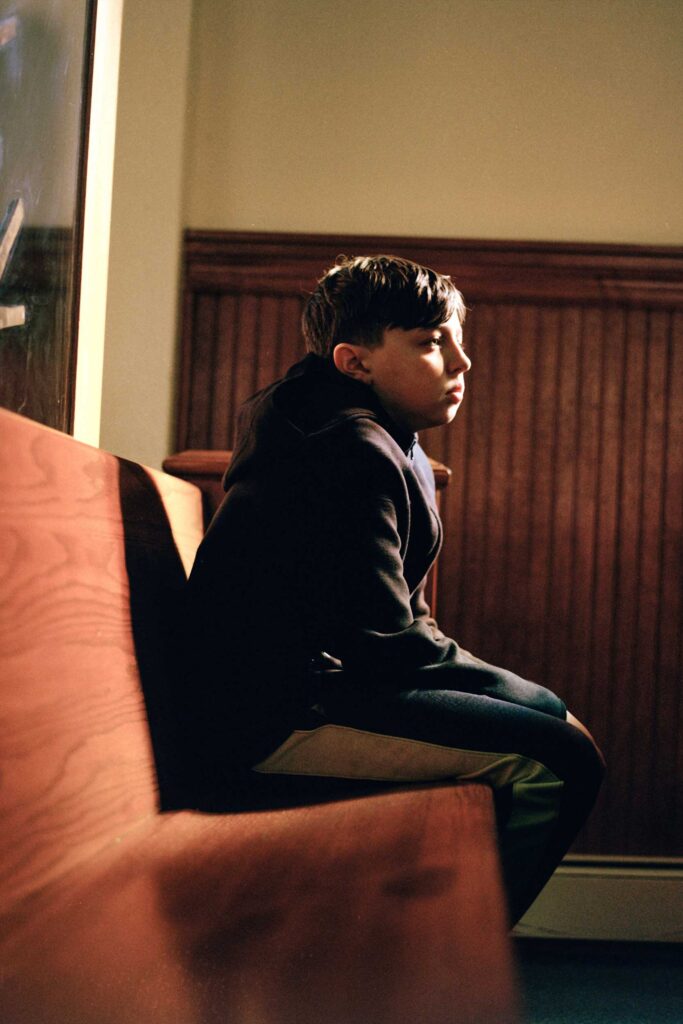
Lucas attending a Sunday Mass in St. Virgilius, one of the two churches on the island. The image invites the viewer to consider how childhood unfolds inside these collective architectures, how a young person learns to map themselves against a place that is both fragile and fiercely held. It asks what is passed from one generation to the next; not only stories, but gestures, silences, rituals, and the ways of sitting and witnessing that teach us where we come from.
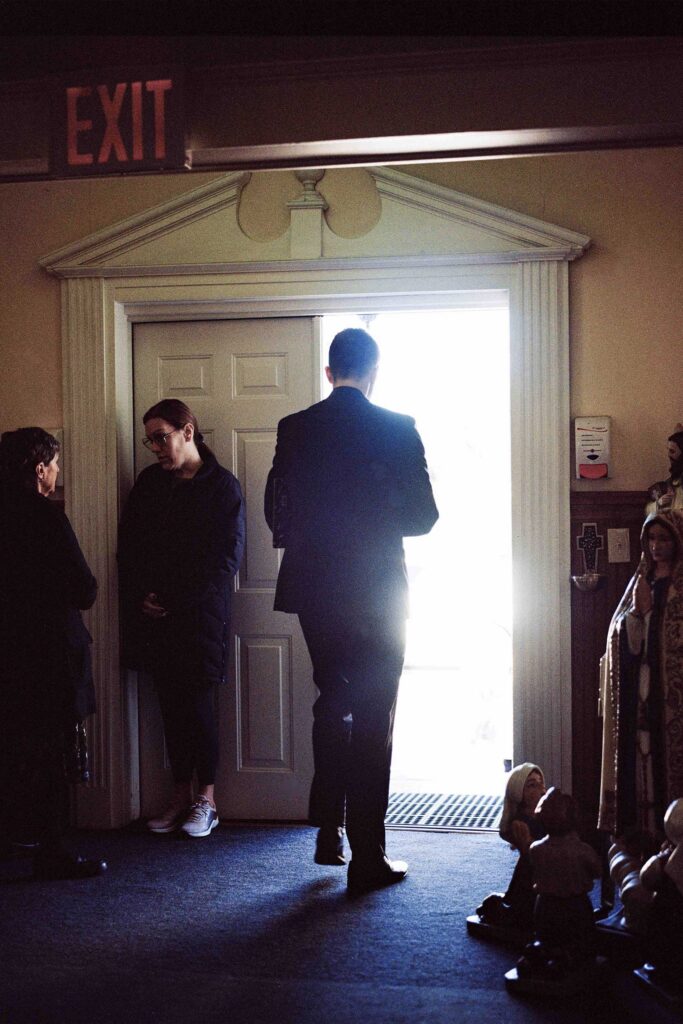
A member of the congregation leaving the church after a funeral mass.
East 6th Road during one of the major floods of 2024
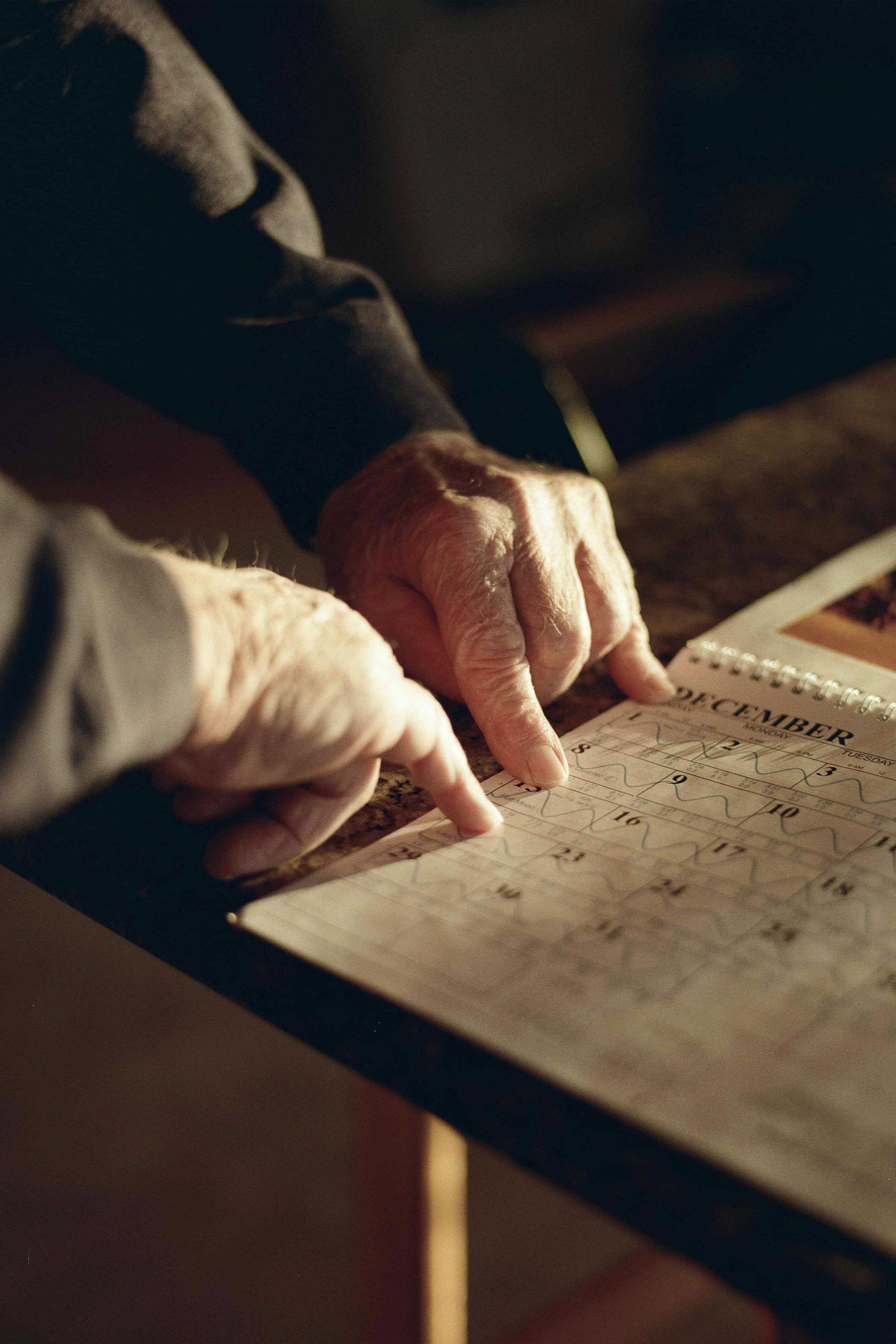
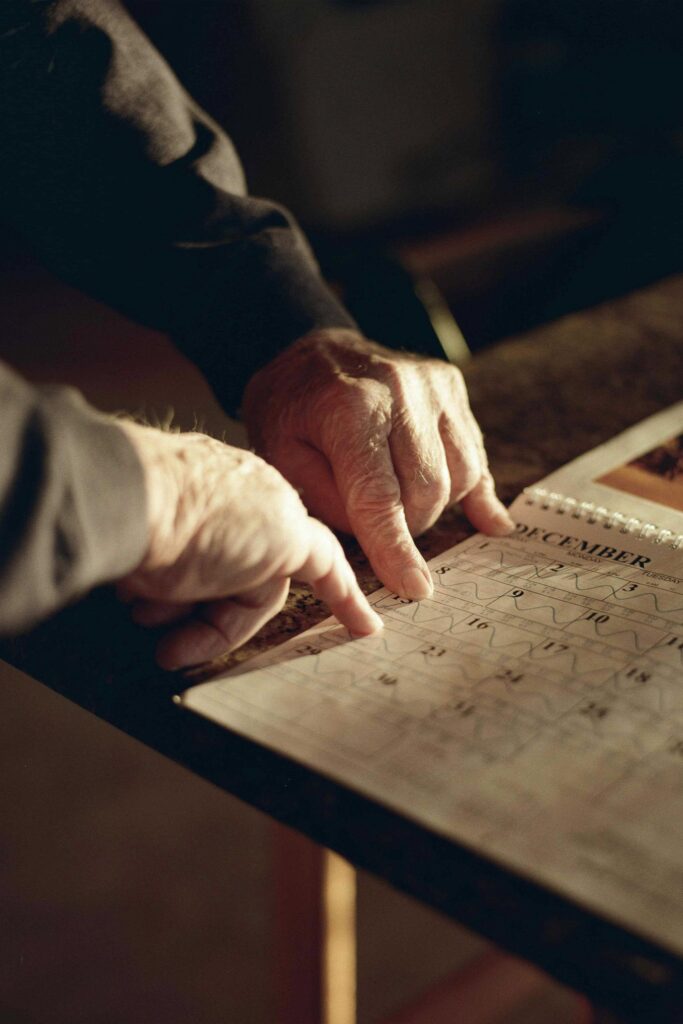
Mike shows me how he tracks the tides on the calendars. For residents, understanding the rhythms of water is essential: even small changes in rainfall or tide can flood streets and homes
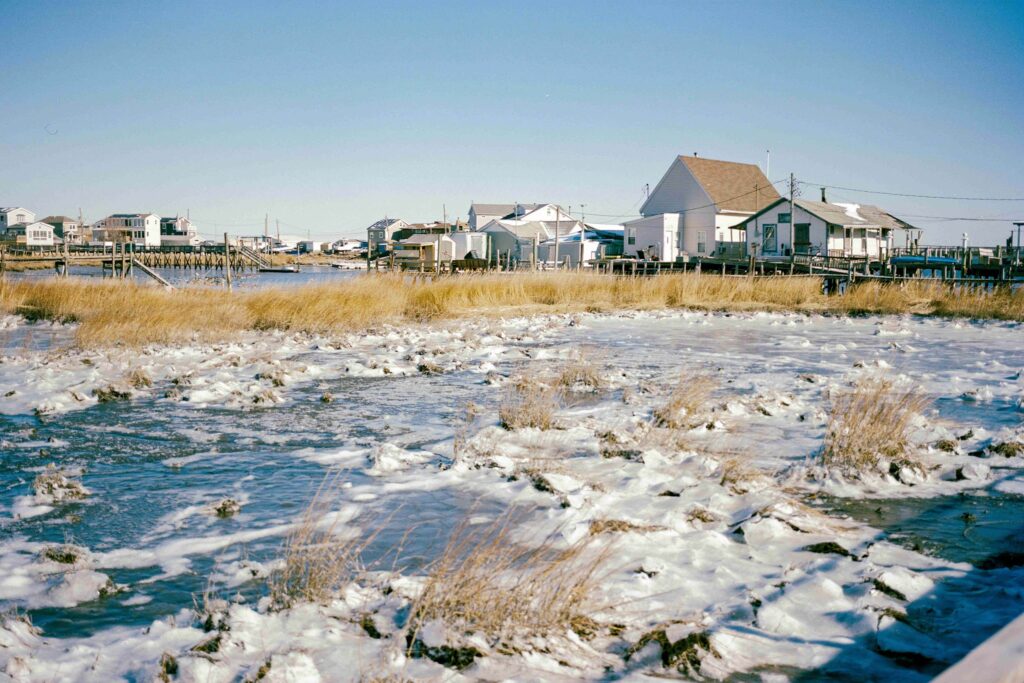
Broad Channel’s main canal freezes in winter, a rare stillness that once allowed children to ice-skate and fish. A tradition documented in old photographs and remembered by long-time residents. Today, winters are warmer, and the ice no longer grows thick enough for these practices. The canal also reflects the island’s complex environment: its proximity to JFK Airport and urban runoff has long affected water quality, a reminder that residents must navigate both natural and human-made challenges. Even in winter, the frozen canal stands as a symbol of Broad Channel’s delicate balance: a community shaped by, and constantly negotiating with, the waters that define its daily life.
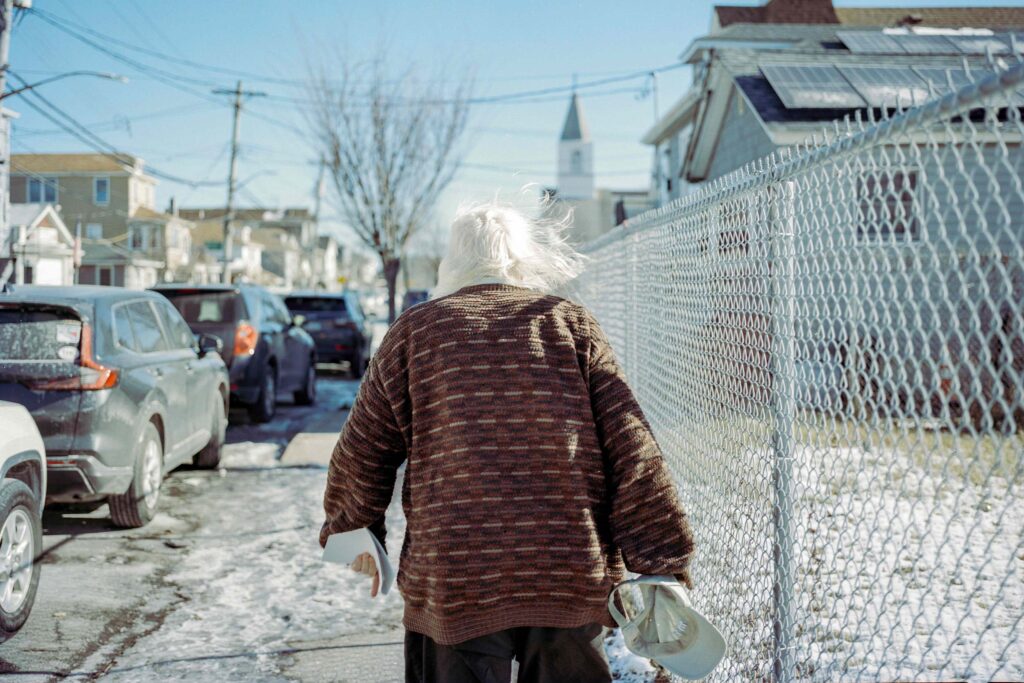
A retired priest walks away to catch the train after a quiet morning together. He tells me how deeply important it is for them, for all here, to think of the water not as a threat, but as the backbone surrounding the island. For more than a century, this island was shaped by fishermen and summer residents, connected by boardwalks and canals carved through marshland. They organized, dredged, built wooden sidewalks, raised homes, and established fishing docks and yacht clubs, creating a community entirely in dialogue with the bay. Despite decades of challenges, from floods to city proposals to repurpose the land, the people of Broad Channel have endured. The water is not just a border, it is a legacy, rooted in history, memory, and the care of each generation. In Broad Channel, every wave that reaches the doorstep carries a memory and a promise: that life will persist.
Words and Photography by Paula Guardián
Paula Guardián is a Spanish documentary photographer trained at the International Center of Photography in New York. Her work focuses on people and the territories that shape them, tracing how dignity, resilience and quiet forms of resistance appear in everyday life.
She approaches each story slowly and with care, seeking to portray individuals as whole and fully present, not as symbols, but as protagonists of their own landscapes. Working primarily with analogue processes, she is developing long-term projects that explore the relationship between community and territory