

Fiction and Political Imagination: Changing the Narrative
Fiction does not merely shape how we imagine the future – it influences what feels possible, what feels inevitable, and what feels worth fighting for, which is why protopias offer a compelling alternative outlook.
There is a newness around 2026 even as we approach March, yet it may feel difficult to imagine this year as anything other than another chapter in a growing catalogue of dystopias. Author Margaret Atwood describes dystopia not as a speculative warning but as a defining feature of twenty-first-century life. An era where social, political, and ecological conditions appear to be in constant flux, where everything keeps changing. A decade after its screen debut and forty years after being published, Atwood’s The Handmaid’s Tale narrative is reflected in the rise of authoritarian policies.
With backpacks full of organic vegetables cultivated in our community garden, the conversation easily turns to the current outlook for humanity. Before the discussion drifts too far into despair, Tomas Schaffner, a screenwriter turned amateur gardener, offers a caution that only imagining dystopias is a slippery slope into accepting them, in contrast to resisting, or finding beauty and humanity within the current context in which we live.
The warning is not merely philosophical. There is evidence that exposure to dystopian narratives increases people’s willingness to justify radical political action, including forms of state violence. Which suggests that fiction’s political effects are far more complex than often assumed, legitimising extreme responses to perceived injustice.
Yet there is more than one way to articulate the climate crisis. Climate fiction, or cli-fi, a term coined by journalist Dan Bloom in the late 2000s, adapts themes from science fiction to explore speculative futures or immediate realities of a changing world. Often dystopian, urgent, or anxiety-driven, it can also be speculative or cautionary, showing the possibility of life undefined by survival, competition, and consumerism.
The cli-fi genre has a tendency toward dystopian, apocalyptic, and techno-fantasy narratives. Far fewer writers and filmmakers take up the challenge of imagining stories in which struggle and collective action lead to future worlds marked by improved quality of life.
As a result, hopeful visions that portray transitions toward sustainable societies and resilient communities, or stories that imagine movements and conflicts culminating in a higher quality of life for all, remain comparatively rare.
For Marta García Larriu, director of Another Way Film Festival, changing the narrative around climate change in cinema and storytelling is crucial for social, cultural, and political transformation. “Imaginative literature and cinema are the most important ways through which cultures redefine themselves and explore alternatives to the social and political status quo.” A sense of the common good and a belief in a shared future are not abstract ideals; they are preconditions for resilience.
Marta references the work of Alain de Botton on hyper-individualism in capitalism, which de Botton argues erodes the social bonds that sustain us as living beings. The dominant hero narrative undermines collective capacity and shared responsibility in problem solving and solution finding, leaving a “need to reclaim community as a central character”.
Fiction does not merely shape how we imagine the future – it influences what feels possible, what feels inevitable, and what feels worth fighting for, which is why protopias offer a compelling alternative outlook. “Protopias reject both dystopia and utopia, and instead invite us to imagine desirable common futures that foster empathy, solidarity, and action.” Though Marta is quick to caution that protopias do not deny crisis, but rather resist fatalism. There is emphasis on imperfect progress rather than total collapse or impossible perfection.
Words by Anna Borrie for Rethinking Climate
Rethinking Climate:
In a world often defined by crisis headlines and carbon counts, stories of climate action can feel like they live on the periphery, minuscule in the shadow of an overwhelming challenge. Climate stories go beyond scientists, policymakers, and activists. They also take shape in unexpected places: studios, workshops, design labs, community spaces, small corners of cities and in rural landscapes.
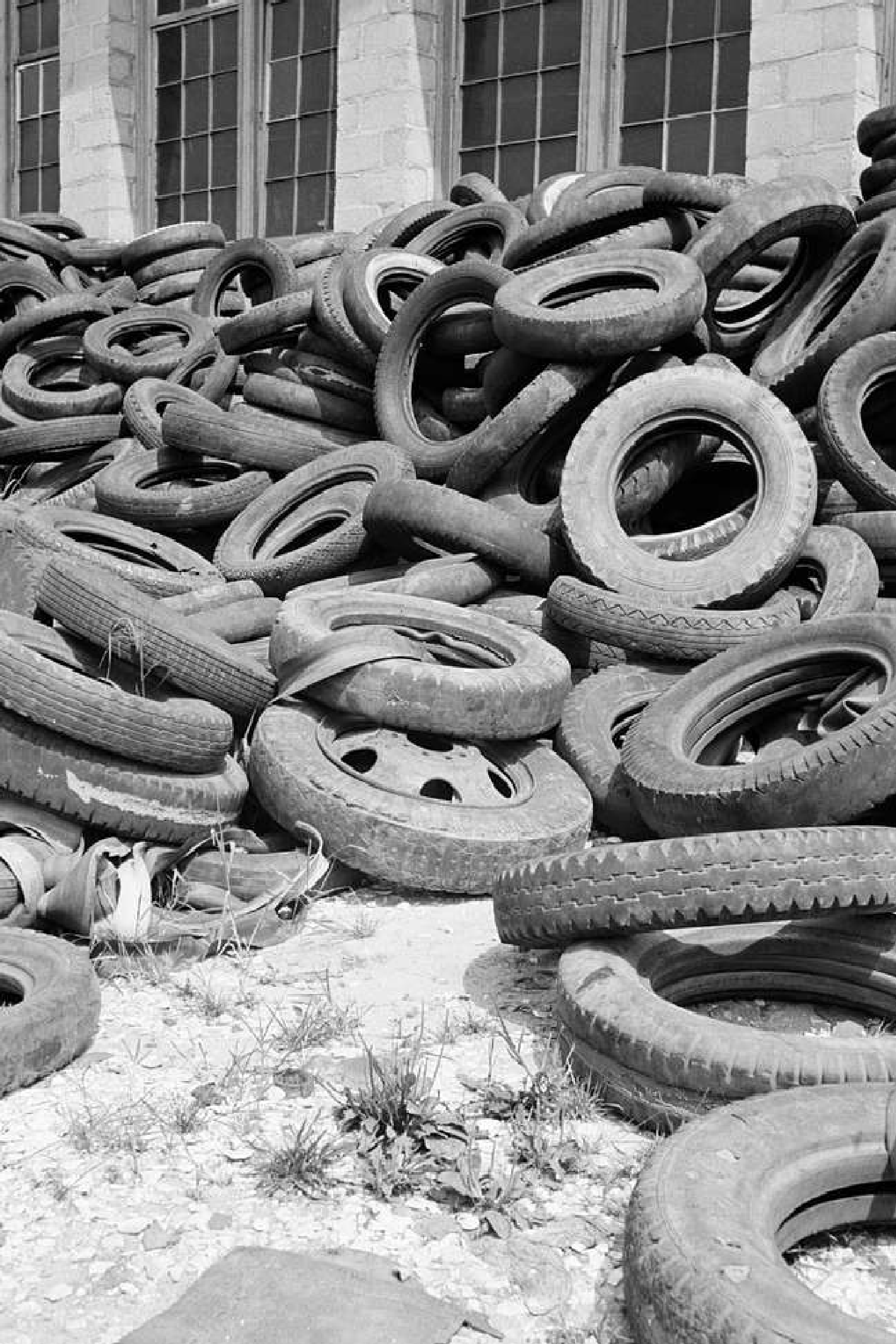
These essays grew out of noticing this. They trace how creativity and care intersect with the climate crisis, how artists, architects, and makers are turning what once symbolised environmental failure into forms of renewal. Each story begins with a familiar problem – a tyre fire on the city’s edge, smog above the skyline, discarded textiles, and industrial offcuts – and follows the people transforming these materials and ideas into new forms of value.
To rethink climate is to shift perspective, to see potential where others see residue, and to design systems that regenerate rather than extract. This isn’t only about technology; it’s about creativity, empathy, and design. It’s about finding beauty in what was once waste and building futures that don’t just sustain life but also enrich it.
Anna Borrie:
Anna Borrie is Associate Editor at Planted Journal, where she explores the intersections between ecology, art, and storytelling. Her work is rooted in a creating meaningful connections between people and their environments. She runs a community garden in Madrid, where she cultivates both plants and relationships with fellow gardeners. Her interests lie in creating collaborative environmental art and promoting zero-waste practices, seeking ways to harmonise creativity with environmental responsibility.