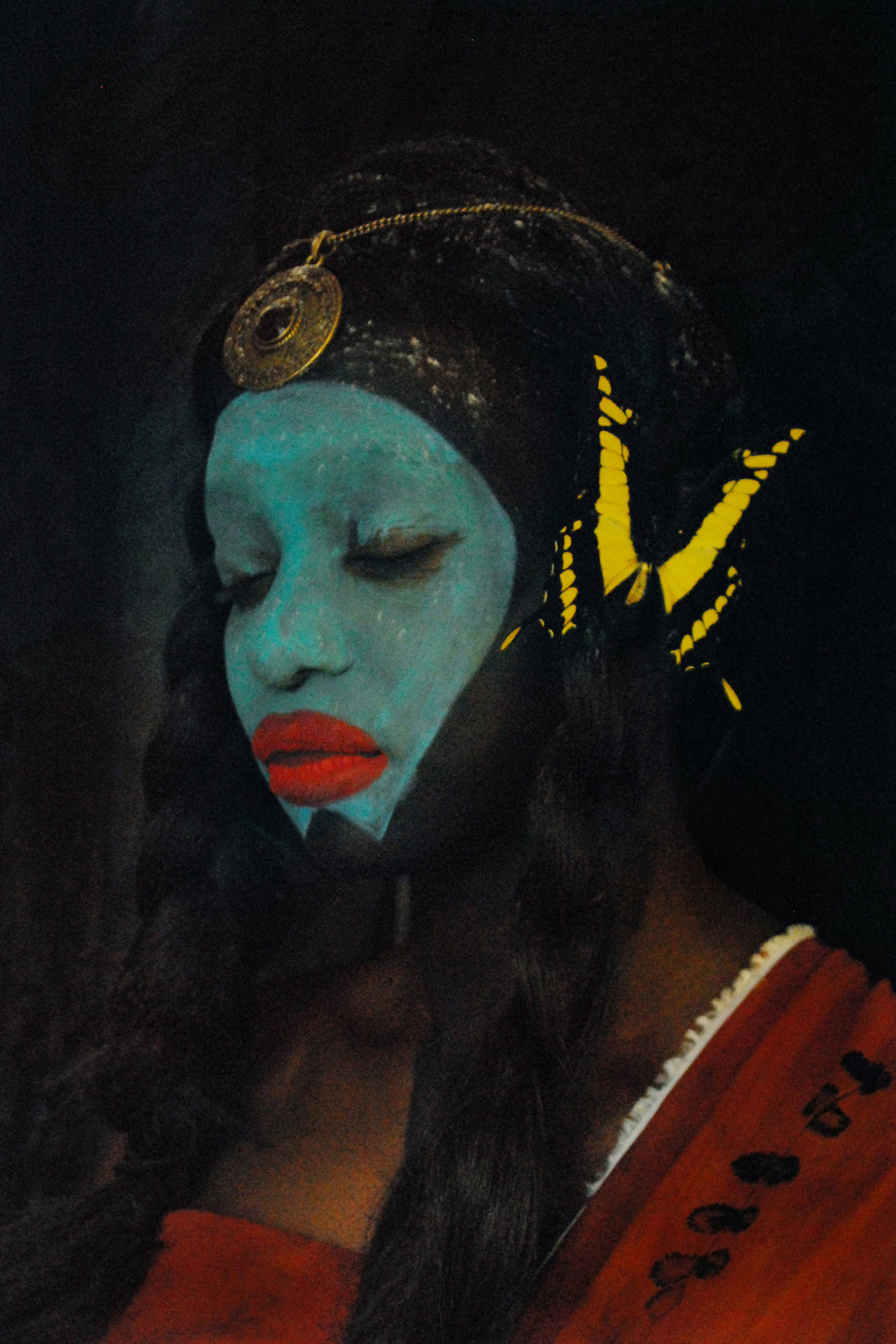
Planted

Sacred Ecologies: Artists on Land, Spirituality, and Climate

At a moment when climate change is most often articulated through data sets, political frameworks, and scientific research, Sacred Ecologies begins elsewhere—quietly and with intention. It turns towards cultures, towards memory, towards the invisible threads of our relationship with the natural world. It asks what it might mean to understand ecology not only as a system to be managed but also as something lived, felt, and, in many contexts, revered.

This series unfolds from a simple but urgent foundation: that ecology is not solely scientific but also spiritual, cultural, and deeply personal. Across geographies and traditions, relationships to land have long been shaped by ritual, spiritual ecology, and ancestral knowledge—frameworks that both precede and resist the extractive logics of colonial modernity. In bridging these perspectives through personal connection to different traditions, Sacred Ecologies holds space for other ways of knowing the environment: ways rooted in reciprocity, care, and continuity.

Bringing together a group of visual artists from different continents, the project traces how land, spirituality, and cultural belief intersect within contemporary practice. Through a series of in-depth conversations, each artist reflects on how their work engages with inherited knowledge systems, ecological fragility, and the ongoing negotiation between past and present. These are not simply narratives of environmental concern, but of survival—of how communities, histories, and spiritual ecology endure and adapt under conditions of environmental and cultural threat.

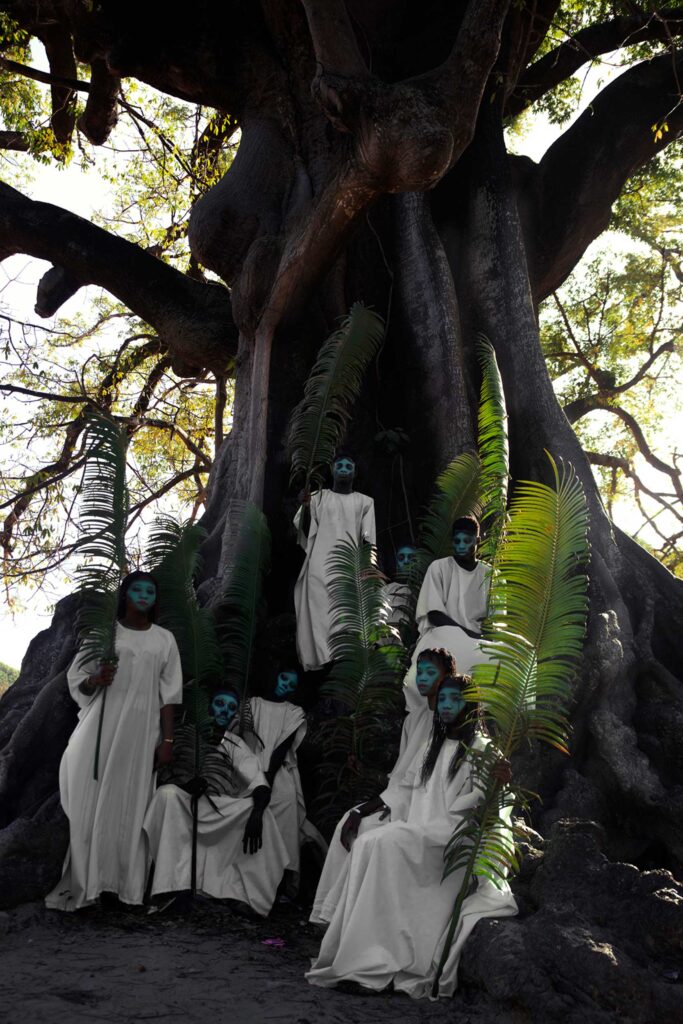
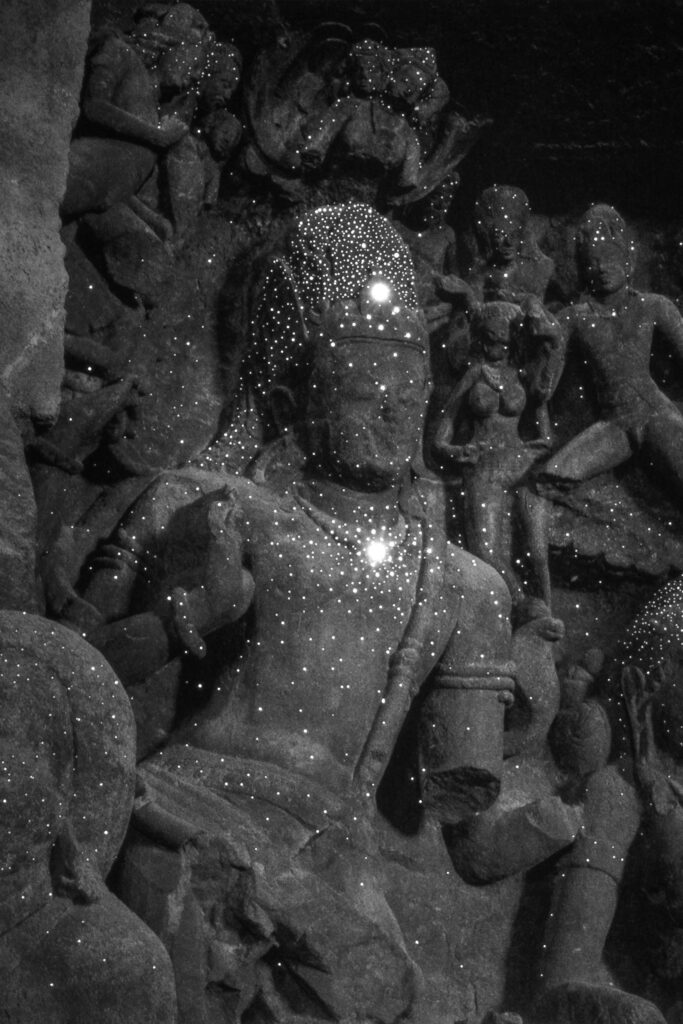
Àràbà- The First Ancestors by Lisandro Suriel
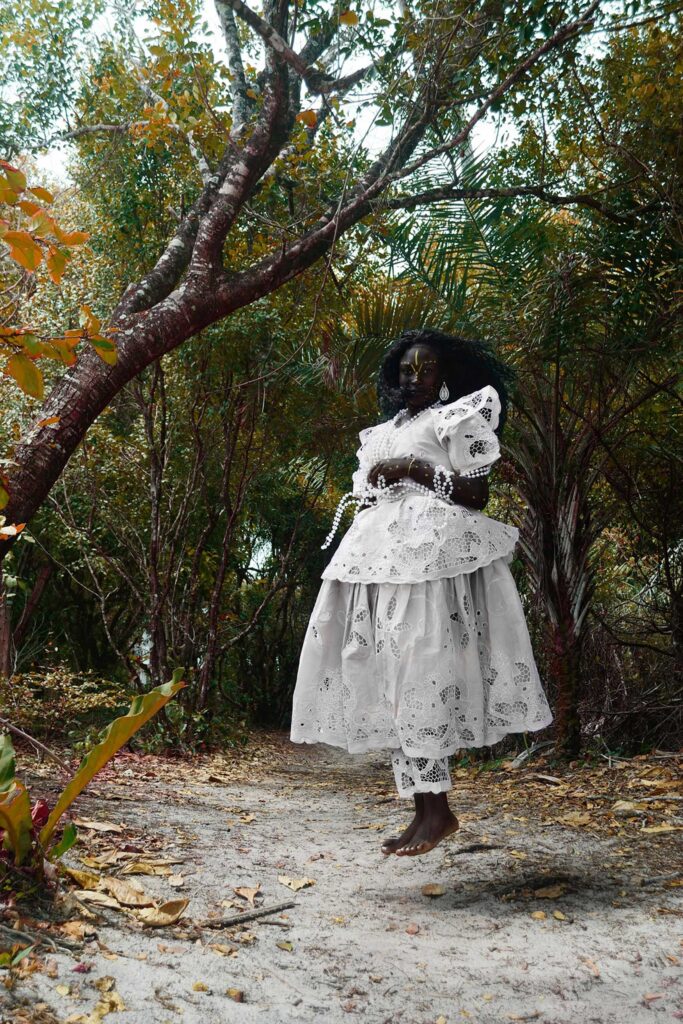
Apparition: Mama Winti by Lisandro Suriel


Often within Black ancestral frameworks, nature itself is the most fundamental manifestation of heritage, as it is both an infinite reservoir and conduit for wisdom and existence.

Lisandro Suriel

Caribbean photographer and Artistic Researcher

Among the artists featured is Lisandro Suriel, born in Soualiga (Saint Martin), whose work moves through the spectral terrains of Caribbean history. In projects such as Ghost Island, Suriel draws on hauntology and marginalised layers—colonial, folkloric, and immaterial—that inhabit both landscape and memory. He brings beautiful visuals that resist fixed narratives of identity, instead opening a space where imagination becomes a tool to decolonise.

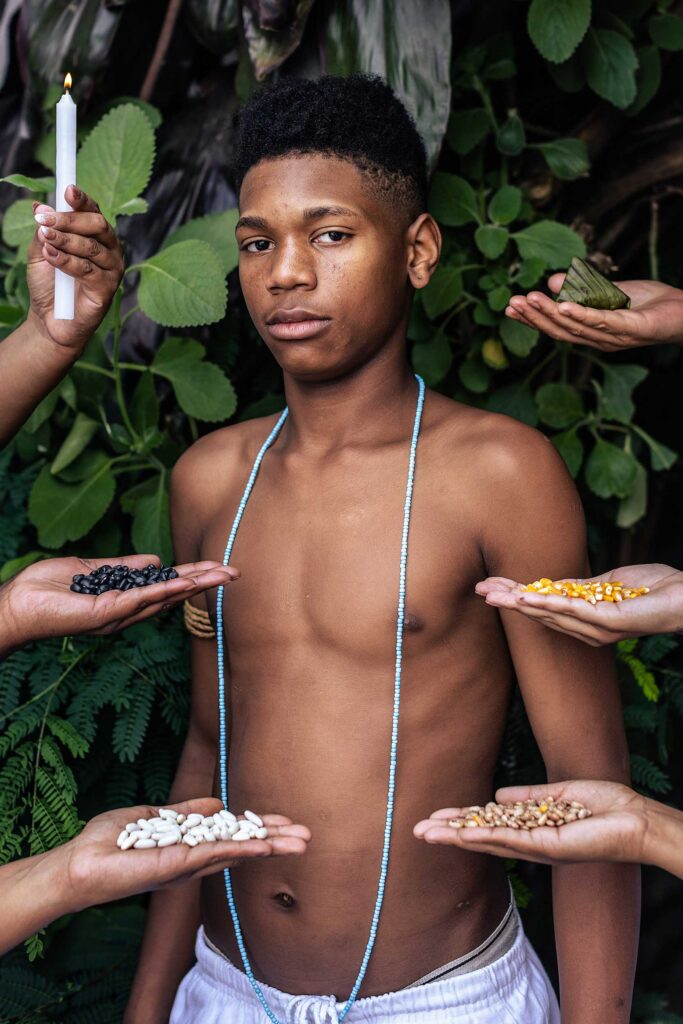
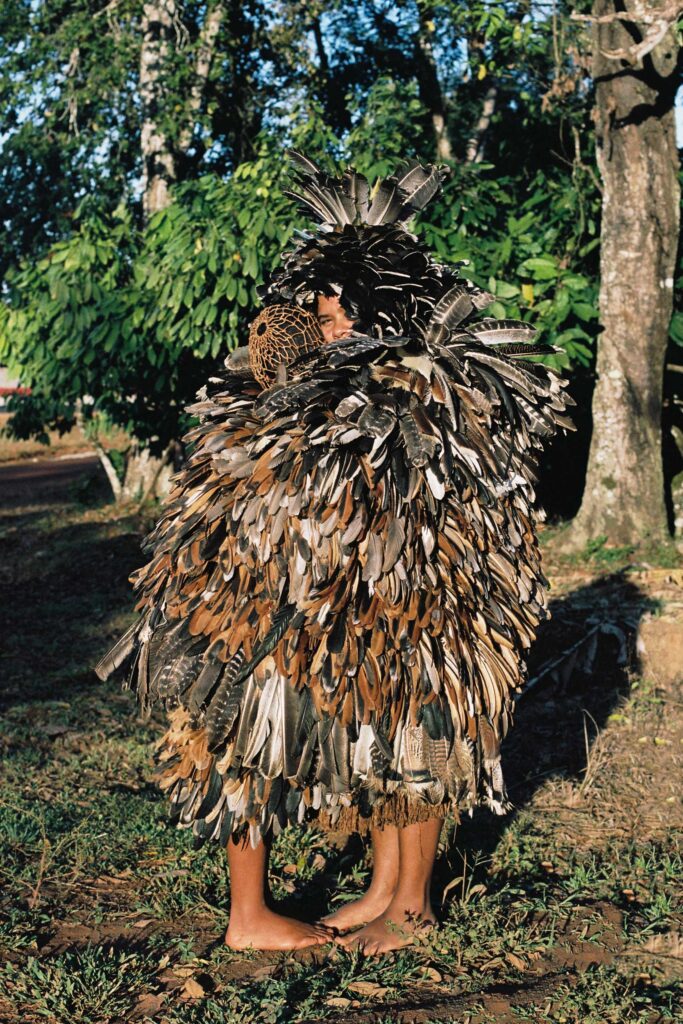
by Gui Christ
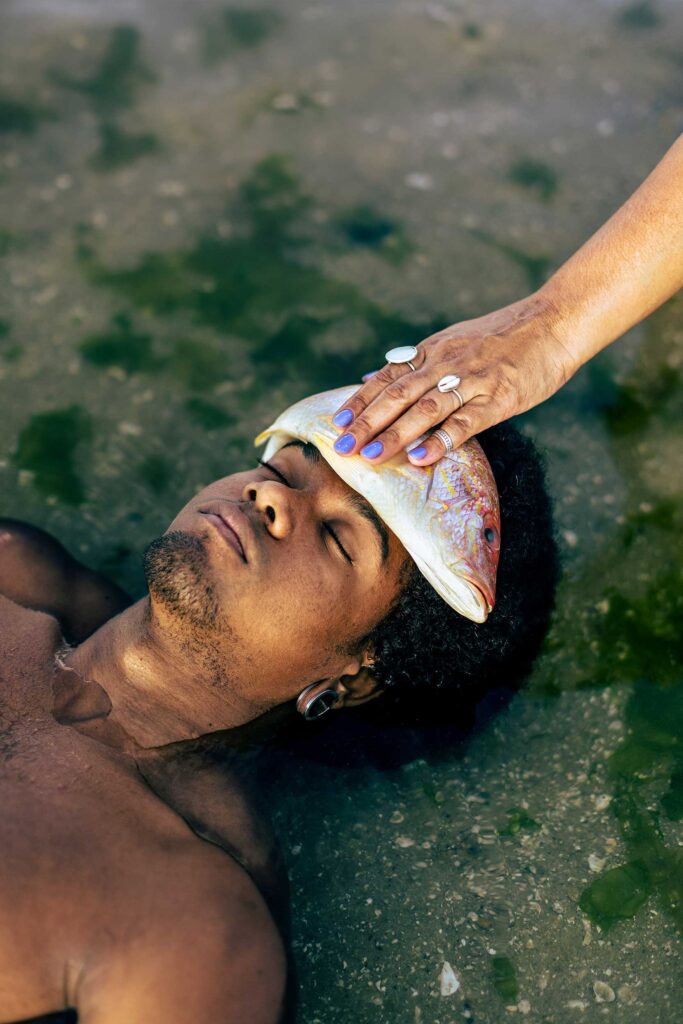
by Gui Christ

Within Afro-diasporic cosmoperceptions, the land is not an object to be managed but a living continuity that holds memory, ancestry, presence, and sacrality. To care for the land is not an environmental gesture alone—it is an act of resistance against the ongoing logics of extraction that are deeply entangled with racism and coloniality.


Gui Christ

Brazilian photographer

Looking into Brazil’s history, Gui Christ approaches ecology through the lens of Afro-Brazilian spirituality. As a practitioner as well as an artist, his project M’Kumba reclaims and recentres Afro-religious knowledge systems that have long been marginalised and criminalised. His work speaks to the sacred entanglement of land, body, and spirituality, while also confronting the ongoing realities of religious violence and cultural erasure.

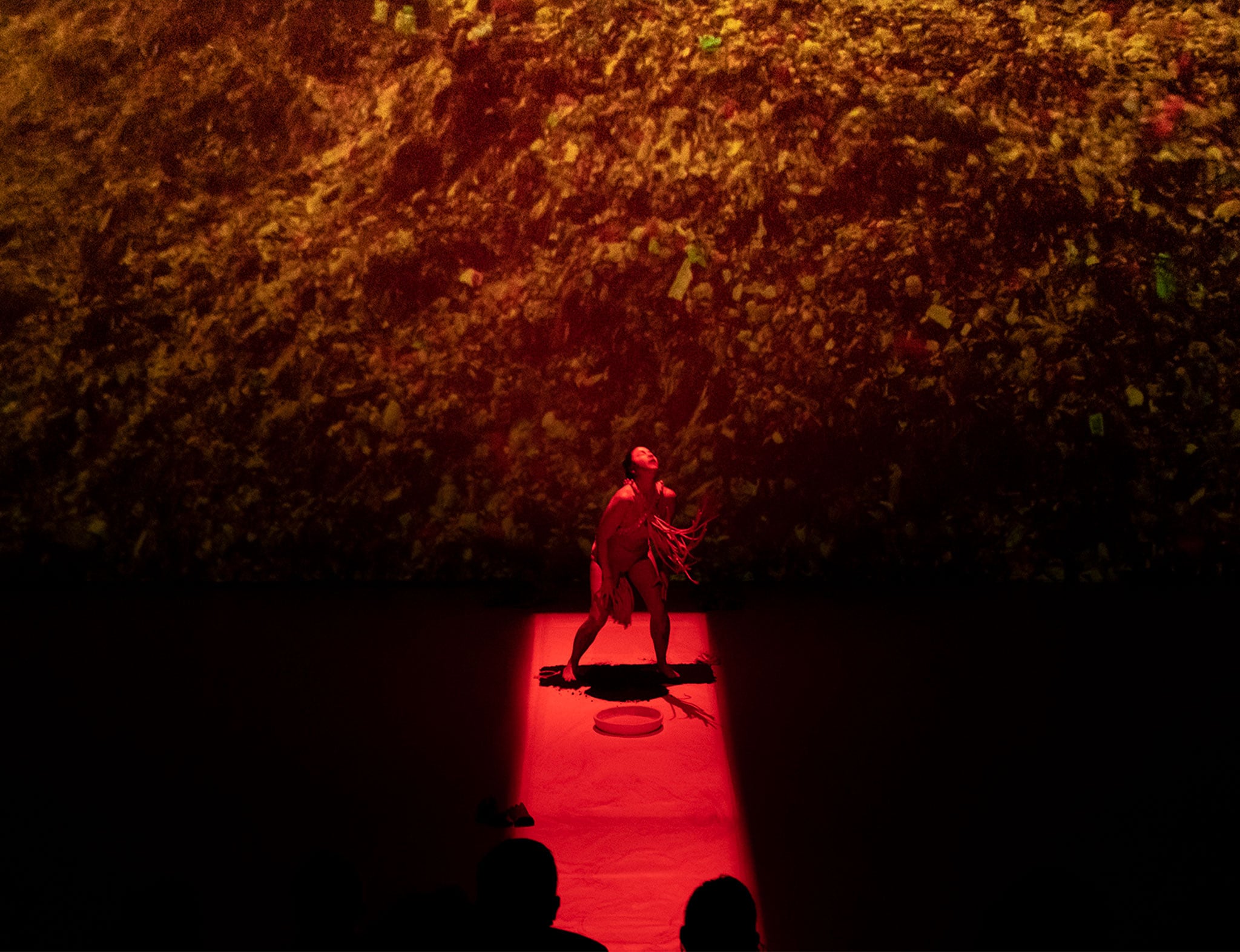
By Alvin Ng
By Alvin Ng

If I were to describe it in relational terms, the wisdom of antiquity and ancestral knowledge feels like a nurturing teacher. They guide me toward a deeper level of awareness, while the environment becomes the classroom where those lessons unfold.


Alvin Ng

Singaporean photographer

In Singapore, Alvin Ng’s Samsara draws from Hindu and Buddhist understandings of cyclical time—birth, death, and rebirth—rather than linear progress. His practice situates the natural world within a cyclical understanding of time, challenging linear narratives of progress that often underpin dominant environmental dialogue. It reflects how human activity, ecological systems, and even cosmic forces are part of the same cycle of transformation.

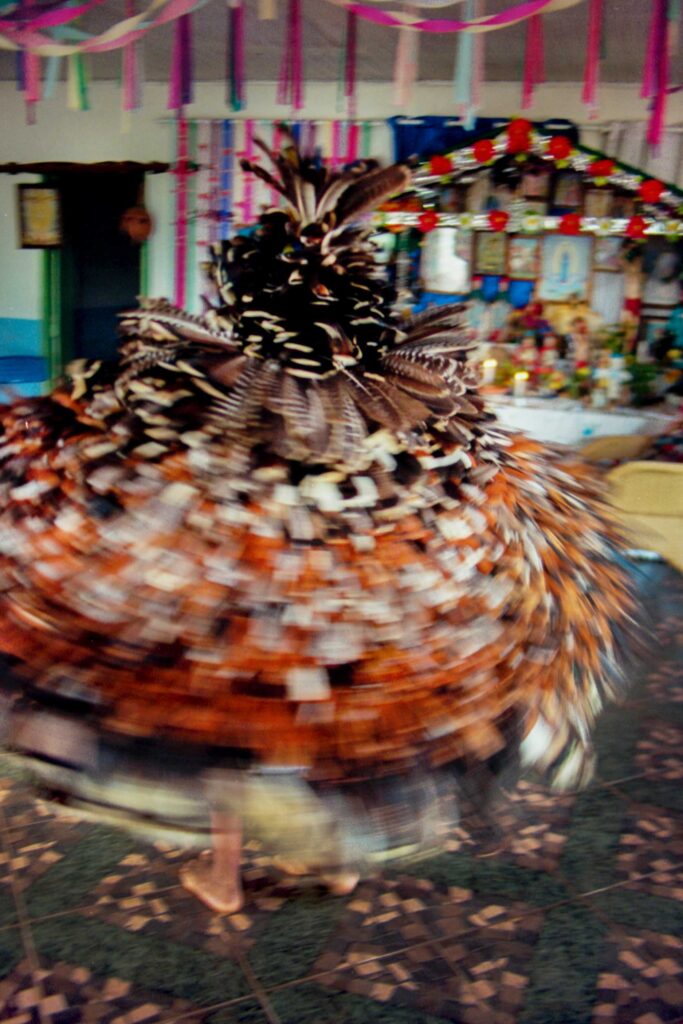
by Fernanda Liberti
by Fernanda Liberti

I see the environment as a living entity, filled with different spiritual manifestations. In terms of future generations, that responsibility is also about continuity. I am in love with our planet, and I want future generations to be able to experience some of the same things I did: a tropical storm in a rainforest, swimming freely in the sea with animals, and being in harmony with the entities and winds around us.

Fernanda Liberti

Brazilian photographer

Fernanda Liberti offers another perspective rooted in Brazil’s Indigenous knowledge systems. In Feather by Feather: Dancing with the Tupinambá, she engages with featherwork traditions as sites of cultural memory and ecological intelligence. Through material practice, the work reflects on the relationships between humans, animals, and land, while also addressing the enduring impacts of colonisation.

Together, these artists do not propose a singular vision of “sacred ecology,” but rather a constellation of approaches—each grounded in specific histories, territories, and cultures. What unites them is an insistence on relationality: on understanding the environment not as a resource, but as a network of living, spiritual, and ancestral connections.

Alongside the interview series, Sacred Ecologies will extend into a small programme of intimate online workshops with selected artists from the series—Alvin Ng, Lisandro Suriel, and Fernanda Liberti—designed to bring these conversations into a shared space of reflection and exchange. This pilot project will open a dialogue between artists, participants, and audiences, exploring how these ideas might be carried beyond the page and into collective practice. Each will host a session inspired by their own work, offering participants a space for shared learning, reflection, and creative exploration.

These gatherings are not conceived as traditional skill-based workshops, but rather as artist-led encounters: spaces where participants can engage with artistic methodologies, ecological thinking, and personal reflection on nature and belonging. In doing so, Sacred Ecologies invites a reimagining of ecological responsibility: one that is not only about preservation or survival but about care, remembrance, and the possibility of living otherwise.

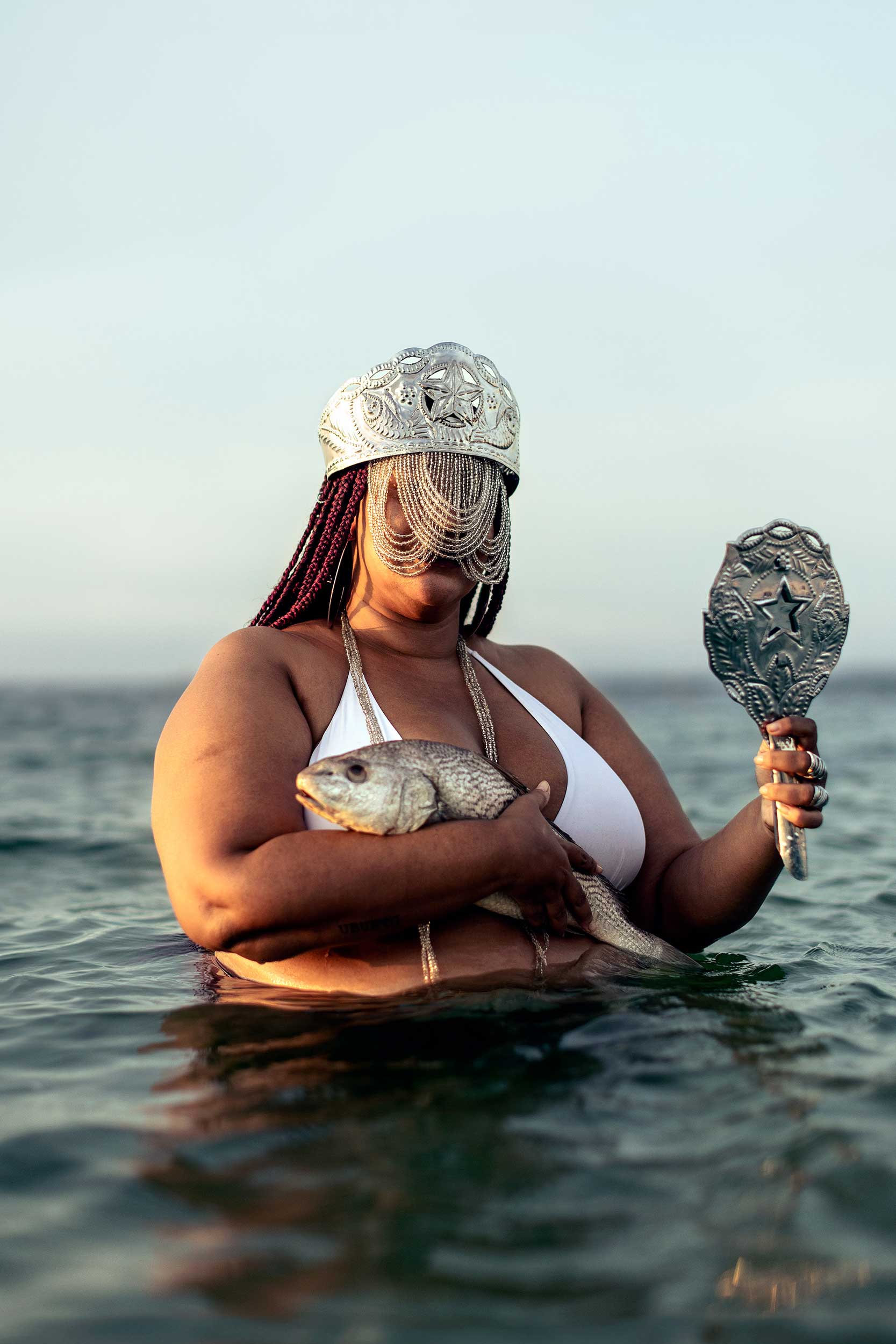
Cover Art by Gui Christ

Sacred Ecologies introduction by Virginia Melodia

Virginia Melodia is a creative storyteller. She tells stories through writing, poetry, photography, and video. Her mission is to connect people with nature and our shared humanity. She shares narratives that evoke a deep sense of connection and reverence for our planet and ourselves.

Join our community

Sign up for our newsletter and become part of our action-oriented creative community

TOP