

When I was five, there was a Sikh boy in my class. I pulled his cheek once because I thought he was cute. He didn’t say anything, but he looked at me with strange eyes, and I stood there smiling, having no idea where this impulse came from. I always spoke too much as a child; my teachers would punish me and make me sit with boys, hoping that I might shy away and keep quiet. But that never helped, and the words still kept flying from my little lips. Day after day, I grew older, living in my own bubble, disregarding the strictness of male-female interaction in my small town.
I often wonder if my perception of romance was ever hindered by the side-eyes of society. But perhaps it didn’t matter much; my parents were comparatively progressive. Whenever someone asked me if I had a sibling, I told them I had a sister. They often replied with pity, “Only two sisters?” In India, when a girl is born, with her comes the burden of dowry and the responsibility of gatekeeping her character, which is more delicate than a flower. On the other hand, when a boy is born, with him comes a provider who will take care of his parents when they grow old. I somehow knew these things from a very young age, even if they weren’t spoken of. We weren’t rich, but my father worked hard, luck was on our side, and things changed. The little girl, who never imagined leaving Gorakhpur, is typing this while sitting in Milan. My father did save his money, but instead of solely worrying about dowry, he spent a fair share on his daughter’s education.
My mother is a homemaker, and she never had the opportunity to study much. If I sent her this writing, she wouldn’t be able to read it, but I often translate for her, and she smiles with pride. I sometimes think that if she lives vicariously through me, maybe behind that smile is also a sense of satisfaction from seeing her girl make a living. The flight I took to Milan was the farthest journey that anyone in my family had taken. I was the first person in my family to have a passport and the first to set foot in a foreign country. Even though I was uncertain how life would be abroad and I missed my family, living in Italy did bring a greater degree of freedom and got me closer to my own culture. The longing to be with my parents was eventually alchemised by being there with them on calls and messages and having more real conversations whenever I visited home.
Last year, another conversation surfaced often. My parents and family members kept suggesting to me that I should start thinking about marriage. When these conversations started, I was rather heartbroken. It made me realise that I have not been in a relationship for long, and as cliché as it sounds, I was signed up on a matrimonial website. This is a typical Indian custom, and many of my friends who are living abroad go through the same situation. When the prospects started arriving, I was annoyed. Phone calls were disconnected in anger, and as I went through the details of the potential groom, my carefully crafted bubble of imaginary romantic tales burst open. There comes a time when you have to face the tough realities, and for someone who has consumed far too many romantic movies and novels, this seemed a tragic end.
It’s not that I was being forced; everyone did ask me if I had a boyfriend, but the truth is, I was used to being alone. In the past few years, documentaries have replaced romantic movies, and I prefer reading research papers to fictitious novels. As I was reading a lecture delivered in London by Swami Vivekananda on Maya (illusions), which touched briefly on topics of marriage and chastity, there was a line that really bothered me: “The daughters of India are more practical than sentimental. But very little poetry remains in their lives,” and “very little poetry” is something that I couldn’t accept as my fate.
I did love someone who loved me back, and everything was perfect for a while. But then I had to move to Milan, and he went to China. We tried to make things work, but it couldn’t, and in the middle of the emotional chaos, I got a call one day about him passing away. Consumed by grief, I didn’t have the strength to face parts of me that long for love. I was scared by the finite nature of life and struggled to place love within it.
Love is supposed to be invincible, a true antidote to all the suffering beyond life and death, but where could I find a glorious love in that manner? A human body is fragile and will eventually perish, and everyone that I love will definitely die. How could I have loved now knowing that? And if I meet the people I love again in some other lifetime, will I remember them, or will it all be forgotten? Perhaps it is the Hindu religious philosophy of reincarnation subtly mentioned in all the stories I heard growing up that made me think that way. But maybe all these beliefs didn’t matter; I was far from home now. I had to find a job and pay my bills instead of pondering life, death, and love. My inner turmoil was drawn to addictions; tired and exhausted, getting high was easier than facing my pain and rejection from possible employers.
Believing that something was beyond this material world gave me hope to keep searching for meaning in the mundane. I started watching sunsets, and they became dearer, instilling a sense of deep calmness. The orange of the sky became a close companion; not even a word was shared, but all was understood. The love I was so fascinated by—the invincible, eternal antidote to suffering—was found in the sky. I wasn’t religious, but I knew in an instant that this was infinite. The sun will always rise and set, and I will dance to these rhythms in human and non-human forms.
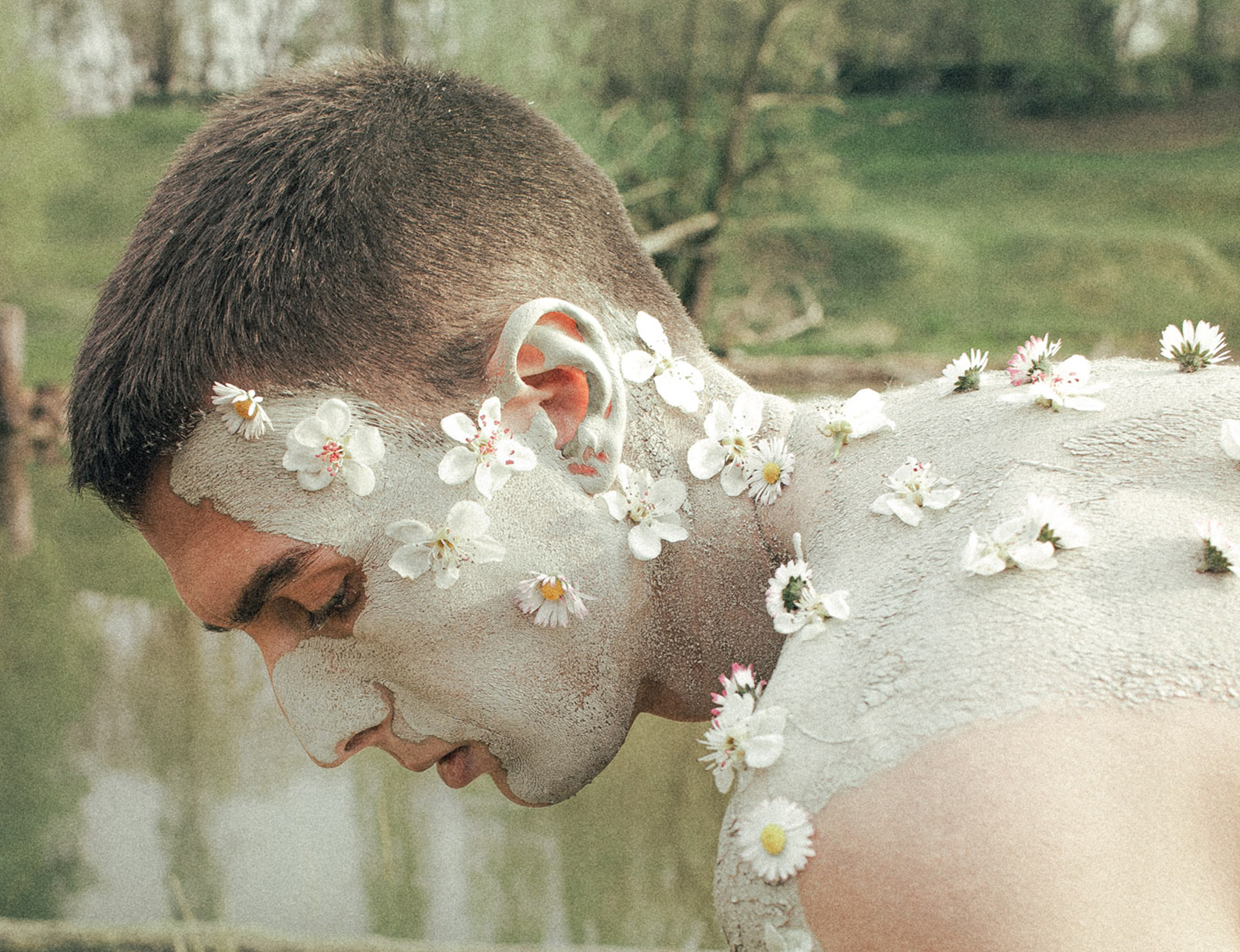
I eventually got an internship in Amsterdam. The revelation of the earth was also becoming more prominent in the canals of Amsterdam; the trees stood taller than ever, the birds sang the melodies of seasons, and the daisies bloomed as my life was slowly turning, and love was everywhere in everything. Maybe it was the glimpse of the divine that I had started seeing. I also came across a story about Krishna from Amma that further nourished me. It speaks of devotion and love between Krishna and the Gopis. It said, “The pain of separation was unbearable for the gopis. It drove their minds into a fever pitch, wherein their every thought was of Krishna. Through this, their minds were purified, and they slowly became able to see their beloved in all things: in the trees, in the rivers, in the mountains, in the sky, in all people and animals—even in their own selves. This was the realisation that Krishna had intended to bring about within them from the very beginning.”
The story came to me when I needed it the most: the fire in the Amazon, the thoughts of apocalypse, and eco-anxiety. I had no idea what to do with this truth when I saw nature being burnt alive. I found my healing, and what had healed me was being destroyed. It all became overwhelming; I was hospitalised and given medicines that made me numb from pain and pleasure alike. When I finally recovered, I was searching for a job again, wanting to go back to my normal life. The ideal situation would have been a green job, but I was far from it with a degree in fashion styling. I landed a job in fashion, but I remembered the sunset sky as my dream.
I often woke up in the middle of the night, terrified with nightmares of fire, death, destruction, and a lack of responsibility on my end. You cannot think of something as divine and turn away your face from it; I wasn’t taught that. My parents have always been very religious; we didn’t eat meat, we prayed, and we went on pilgrimages often, and these things never made sense to me for the longest time. But when I loved nature, I saw all the gods in nature too; it didn’t matter what religion I followed; it was all the manifestation of nature. My own religion and customs were becoming important, and praying seemed like an ancestral ritual. However, I continued to camouflage myself in the clubs with the drinks, pills, and marijuana. Pretending to be someone I wasn’t, I came to Milan because it’s a glamorous city, a fashion capital. But the more I saw the blinding light of the city, the more I wished for simpler things in life, and I didn’t care for the glamour anymore. Numbing my feelings helped, and picking the wrong romantic partners helped, but it wasn’t enough to keep me away from the truth that I was lonely.
Perhaps I grew into something I never imagined I would be, and arriving at this unknown place within myself had created another rift in my own reality. I eventually relapsed, and once again I was in India, taking medicines to control my mental health issues, but I knew the medicines wouldn’t help me. I believed that magic and madness are enmeshed, and you can’t take out one and have another. There is no medicine for love or madness, and perhaps this is what makes it peculiar: love of all kinds and madness of all kinds are portals and gifts of the creator to reawaken us from a deep sleep and embrace our authenticity.
I started Planted Journal, curating climate art, interviewing creatives, and writing about nature. I didn’t need any medicines or addictions to keep me high or satisfied. I like being sober, being in my own awareness, and putting my hands forward in the world, with each word knowing that it was needed. I became more responsible. In the past, I often gotbroke, running out of money now and then, and spending my last cent on parties and clothes and all the shallow pleasures offered by capitalism. My parents often helped me financially, but I always saw them in a different light; they didn’t seem like ‘giving’ people to me, and even after all the hard work they had put into making me study abroad, I wasn’t appreciative of their efforts. But now I know how genuinely they care for me and my happiness.
It’s been a while since I registered the publication as a non-profit organisation. Maybe it’s not something massive, but for me, this is a step forward. I think of this as my dharma. As a brown girl living in Europe and having the opportunity to study and work, I consider myself fortunate. There were women in my ancestral family who never got to study and who never left their village. They sacrificed everything for their family dutifully. I need to pave the way now. I have this chance, and in my ordinary life, it’s the most extraordinary thing that’s happened to me. It’s the most precious page in the diary of my dreams.
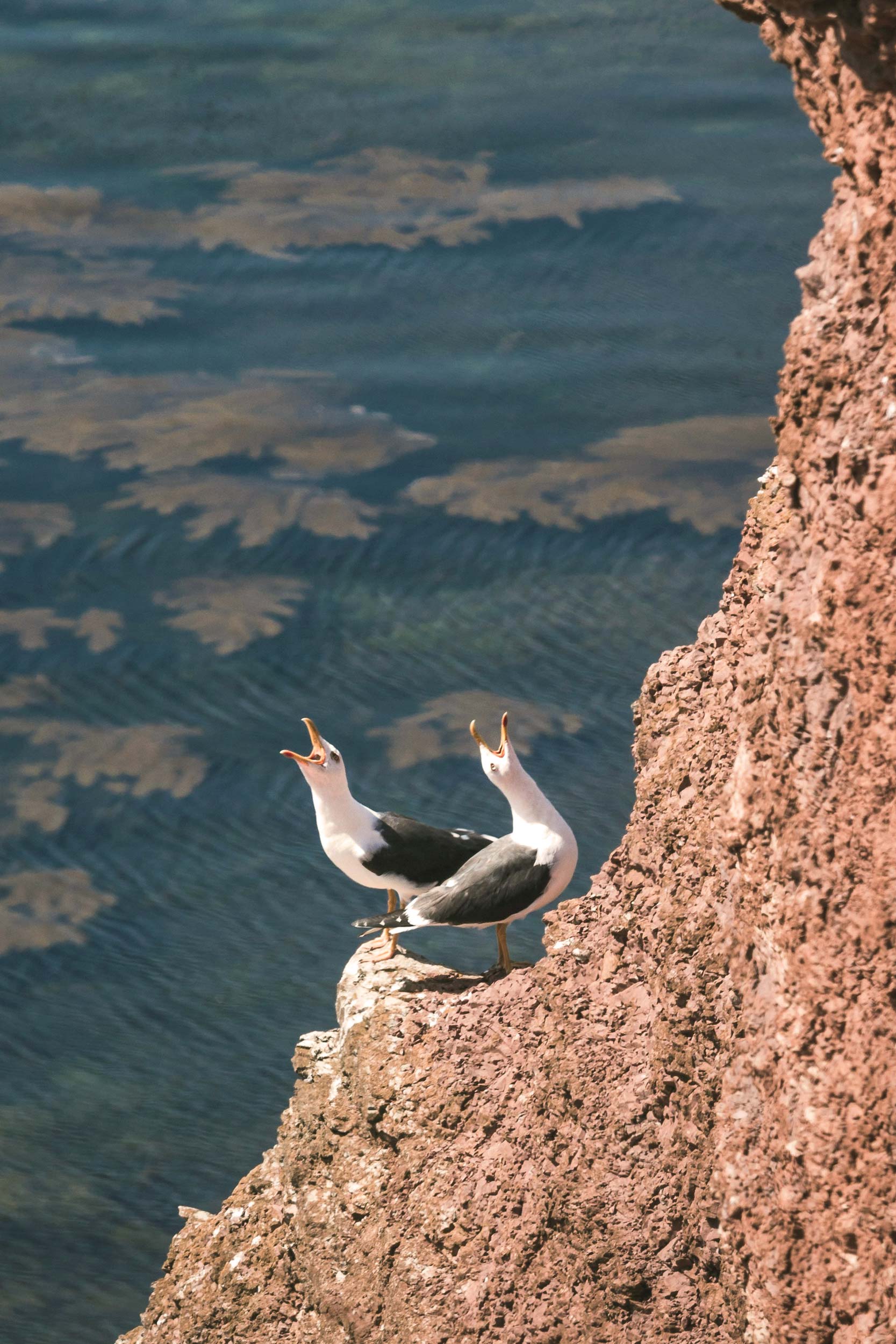
In romanticising the land, I have gained faith in the idea of love again, and I have set myself free from suffering, knowing that whatever is eternal in me and where I find the god’s particle is deeply rooted in nature. I still get calls from my parents teasing me about getting married, but I’m not angry at them anymore. It’s their dharma to get me married, and we are all on our path, doing our best. But for now, I choose to remain like a little bird who has flown far away from home to collect nature’s nectar.