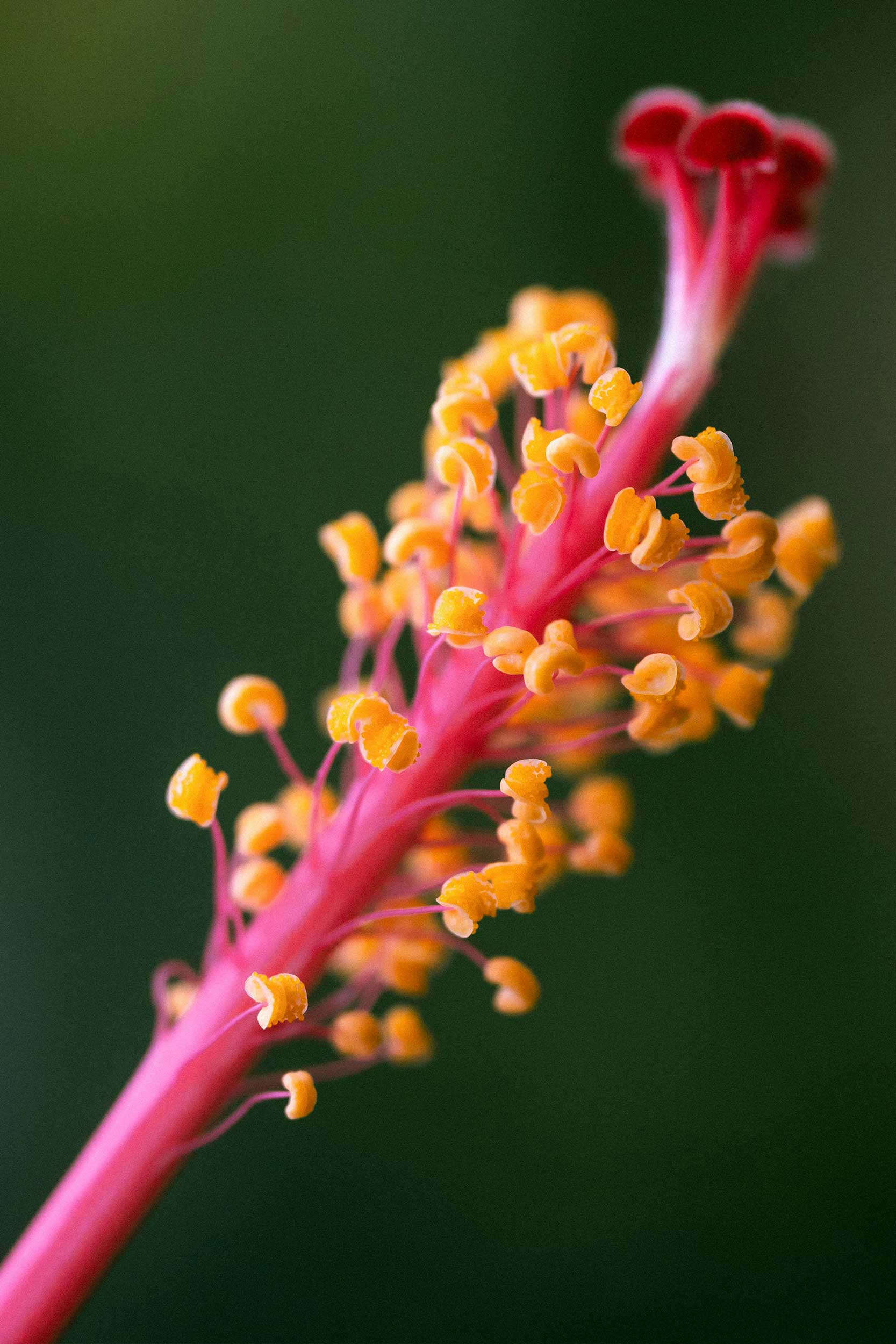


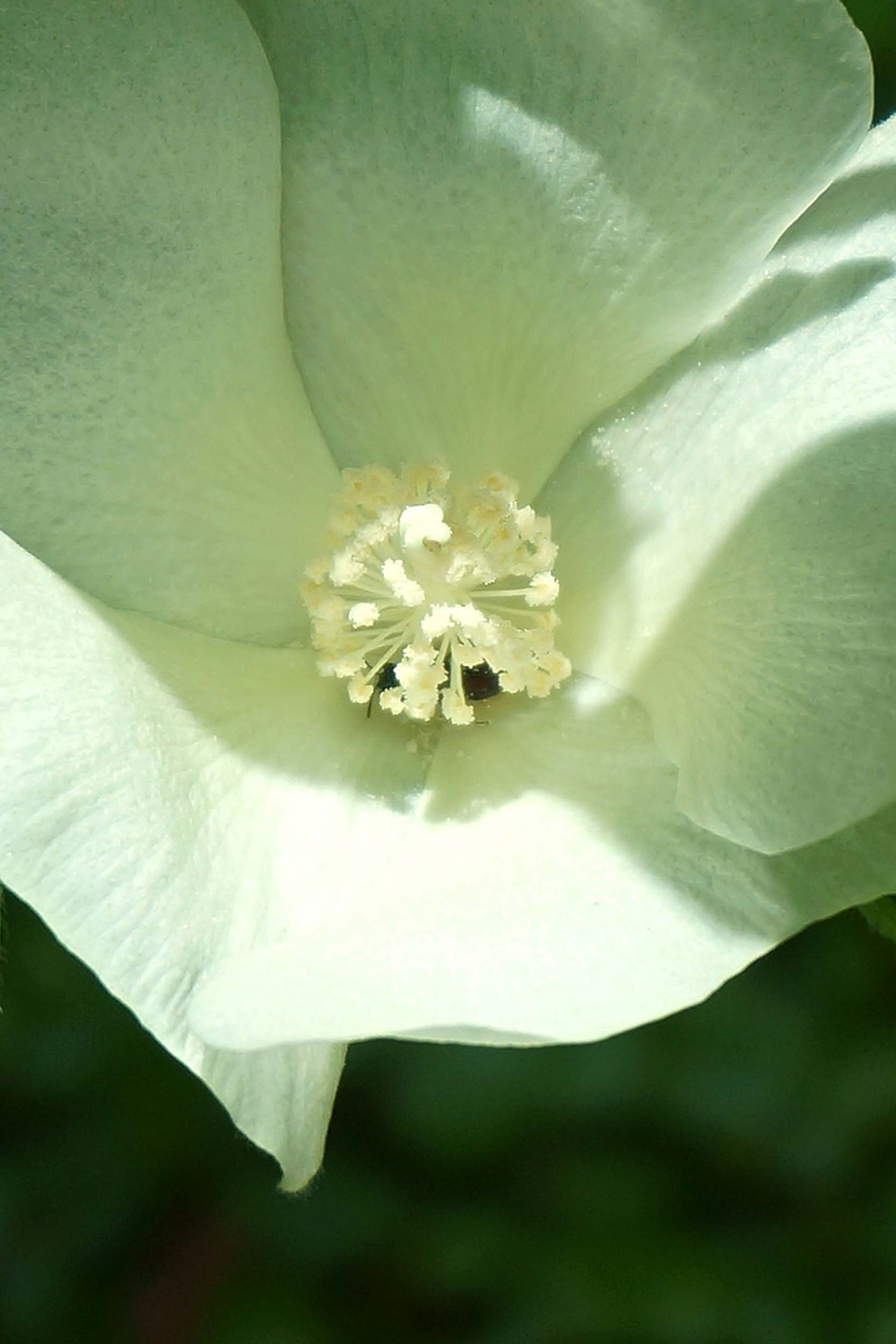
The volcano erupts ash and lava, a sea of fire, fertilising the land. In eastern Indonesia, from millions of years of eruptions, from this rich soil rises a flowering tree. A tree bringing first fortune and then death, a massacre by the world’s first multinational corporation. Was it that the heavily scented flower that bloomed at night, to attract nocturnal moths, was also destined to attract men, who were capable of committing the darkest deeds?
It takes 8 to 10 full moons after pollination for the fleshy fruit to break open, revealing lively red mace covering the brown nutmeg. At first, it only grew in the Banda islands, a volcanic archipelago, where the alchemy of nature has created this gift. By the 6th century, the natives of this land traded nutmeg and mace, and they prospered. Eventually, through Arab traders, it reached Europe and became a seed worth more than gold.
Europeans believed nutmeg could cure the plague. So, when the Black Death took over Europe, the desperation to find nutmeg also peaked. But where this spice came from was a well-guarded secret, kept by the Arab traders. It was during this period, the age of exploration, that in 1512, the Portuguese reached Banda Island, followed by other European explorers, and eventually the Dutch.
In May 1621, with 1655 soldiers and 250 Japanese mercenaries, the Dutch East India Company (VOC) set fire to Bandanese homes, killing more than 10,000 natives and beheading the community leaders. Those who fled refused to pick nutmeg. After the massacre, the VOC set up plantation systems that relied on imported enslaved labour. The natives who survived returned to the islands as enslaved labourers and were forced to pass on their ancestral knowledge of growing and harvesting the nutmeg.
In 1770, Pierre Poivre, a French botanist, smuggled nutmeg seeds to the French colony in Mauritius, followed by the English, who transplanted seedlings and soil to other colonies. As the monopoly over the spice trade ended, it became a common commodity, and the corporations turned to yet another flowering plant.
The first species of sugarcane, a tall flowering grass, was domesticated around 8000 years ago in New Guinea. It reached India through trading routes, and here, around 2000 years ago, the method to squeeze reed and produce sugar was developed. The process became a prized secret. After the Persian Emperor Darius I invaded India, the knowledge of this process spread across the continent. By the 11th century, it reached Europe. And in the beginning of the 12th century, Venetians established sugar production in the Mediterranean, but demands for this ‘new spice’ kept increasing.
In 1493, when Christopher Columbus made his second voyage across the Atlantic, he brought sugarcane stalks. But growing and harvesting sugarcane was a labour-intensive process, and to meet the ever-growing European demand, British and European ships ambushed families and enslaved African men, women, and children to work on these plantations. Out of 12.5 million people who were kidnapped, nearly two-thirds ended up on sugar plantations. In the words of Dr Eric Williams, the first Prime Minister of Trinidad and Tobago, “Sugar meant slavery.”
By the 1700s, sugar sweetened one-third of the European economy. An economy based on uprooting plants and people from their native land. In his book Sweetness and Power, Sidney Mintz argues that sugar became central to the rise of industrial capitalism. Sugar was a dietary staple to fuel the European working class and sustain them in the factory system that demanded long hours of productivity. It’s not just that sugar uprooted people from Africa, but also the Europeans, as they fled from rural areas in search of new economic opportunities.
Displanting humans and plants are elements of the same multispecies colonial endeavor.
Tomaz Mastnak
Sociologist
Flowering plants were first and foremost an integral part of human spiritual life, a gift. But the othering of plants and people into a commodity stole from the spirit of the land. Colonialism disrupted the ecosystems, the land, and the culture; it truly disrupted the connection between humans and nature. But there is another aspect to it: it created a system that longs for the ‘exotic’. It makes the abundance of one’s own land invisible and compels one to search, appropriate, and compete.
Words by Priyanka Singh Parihar