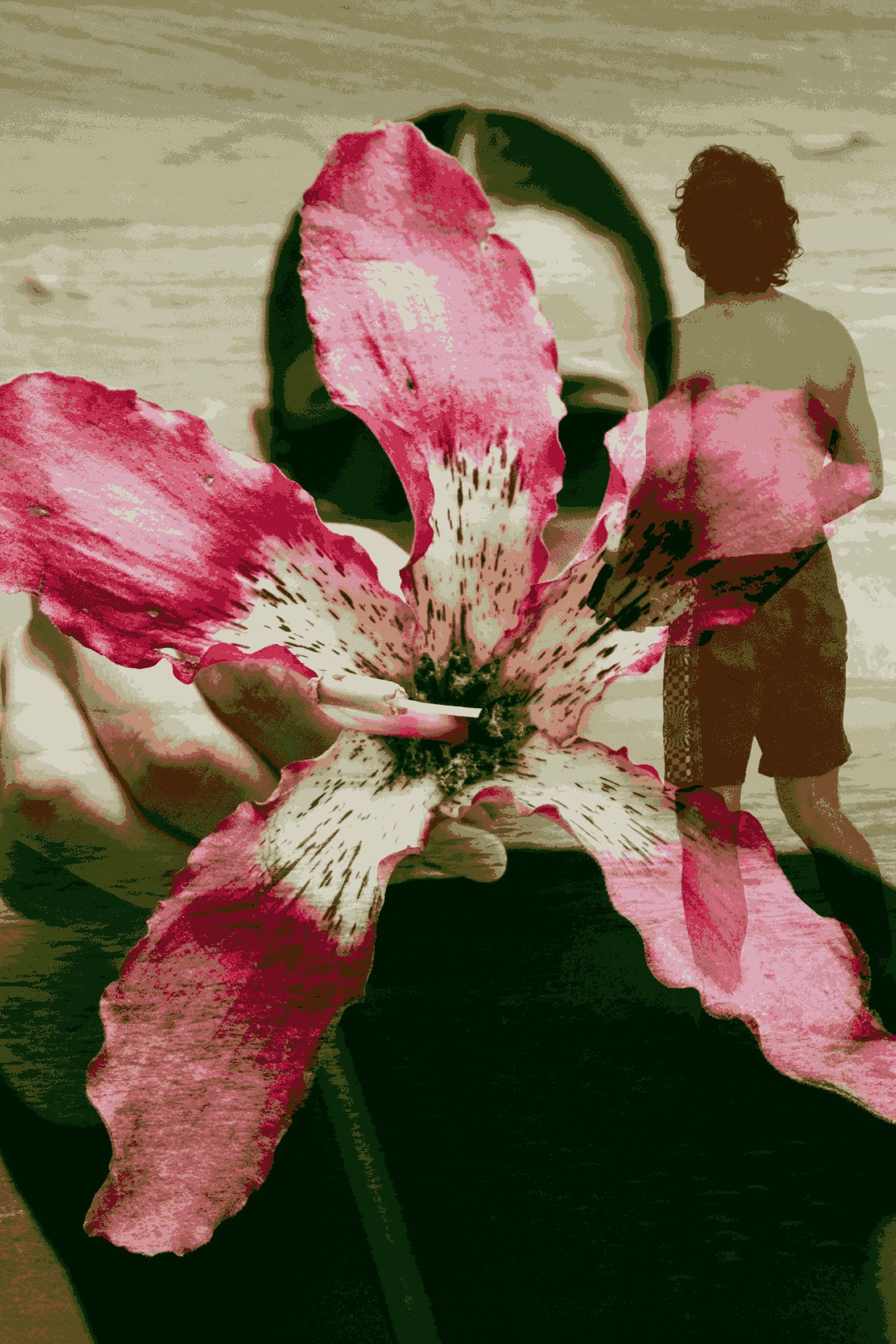


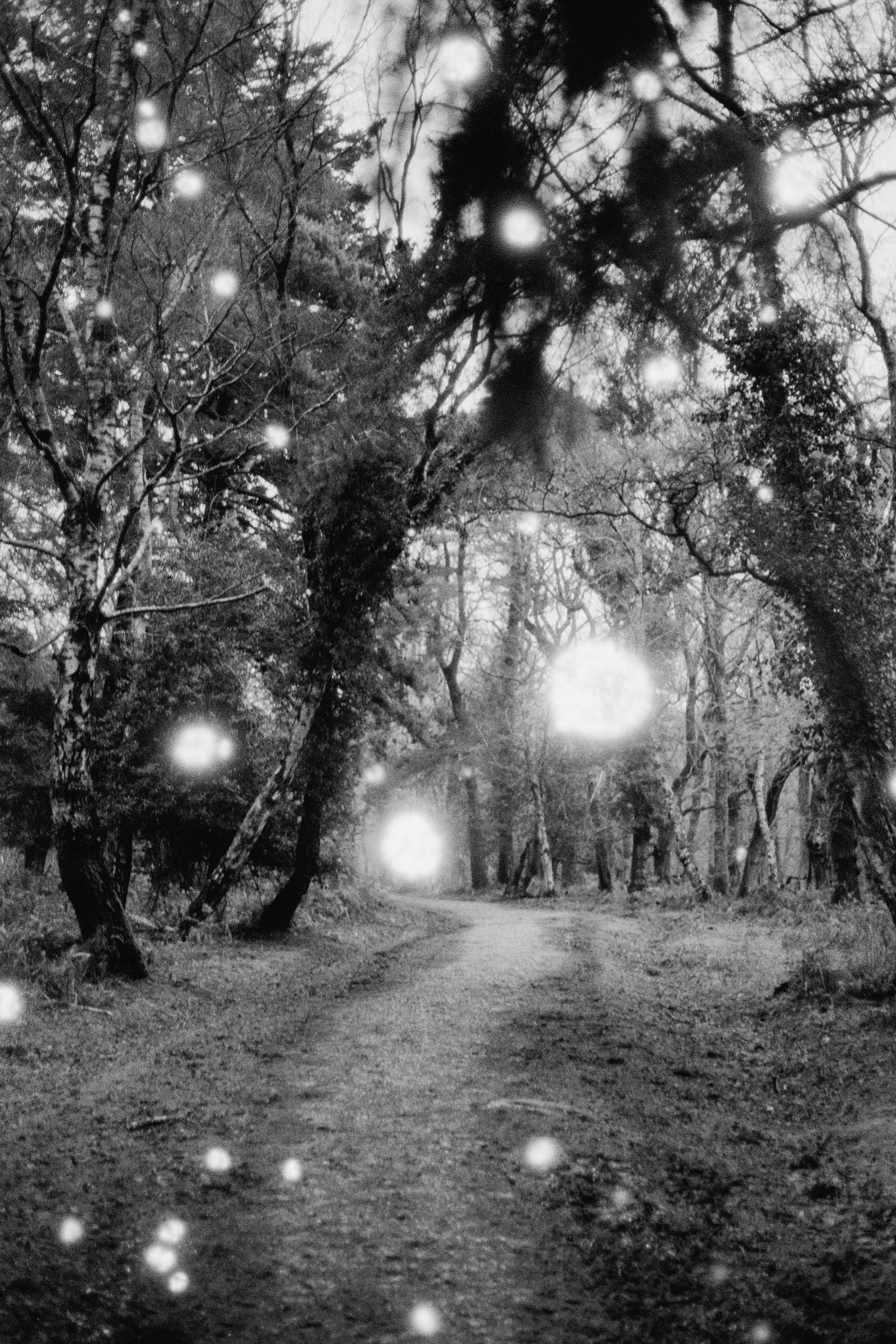
On the morning of 26th December 2004, the sea receded, pulled back into an unknown depth, and the deep-sea fish appeared on the surface. There was a warning in the strange wind, understood by those who knew how to listen. They spoke to the sea, and the sea spoke to them. It came to them in stories and spirits of ancestors.
The sea swallowed the land. There were around 4000 people who passed away in the tsunami, and thousands went missing on Adaman Island. Yet 500 indigenous inhabitants on the same islands, Onge, Jarawa, and Sentinelese, all of them survived, untouched by the 49 ft wave. The Onge tribe has inhabited this island for over 30,000 years. According to Anthropologist, Manish Chandi, their oral storytelling tradition carries the instruction “huge shaking of ground followed by high wall of water”; this wasn’t the first Tsunami for them, for they have kept their collective memory alive for centuries, for millennia.
On the same day, around 1.5 hours later, 55km from the mainland of southern Thailand, Salama, chief of the Moken tribe, pleads to the sea to spare her people. They have heard stories of the “laboon wave that eats people”, so they warned the tourists and ran upland. The animals, on land and sea, sensed it too, elephants started fleeing toward the higher ground off Thailand’s coast, and divers noticed dozens of dolphins swimming for deeper water.
Indigenous people from Simeulue island, are slowly losing their language. But they too remembered the story. They have heard folklores of ‘smong’, earthquakes, followed by giant waves sinking the whole country. A population of 80,000, and fewer than 10 people died from it.
Around 230,000 passed away in this tsunami. Thousands went missing, families torn and swept away. These stories haunt the collective memory.
Six years later, On March 11th, 2011, the sea recedes once again, and then a 133 ft wave rises, swallowing the city. The landscape was unrecognisable. People ran for safety to high-rise rooftops; the toll of the dead and missing rose to 20,000.
Old stories were taking new forms.
It was a moonlit night in early summer, about a year on from the great tsunami. As waves broke gently on a beach half-obscured in fog, Fukuji could just about make out two people walking along: a woman and a man. Fukuji frowned. The woman was definitely his wife.
He called out her name. She turned and smiled. Fukuji now saw who the man was, too. He had been in love with Fukuji’s wife before Fukuji had married her. Both had died in the tsunami.
Fukuji’s wife called to him, over her shoulder: ‘I am married now, to this man.’
‘But don’t you love your children?’ Fukuji cried out in reply. His wife paused at that and began to sob. Fukuji looked sadly at his feet for a moment, not knowing what more to say. When he looked up, the woman and the man had drifted away.
From Tōno Monogatari or Legends of Tōno (1910)
Kunio Yanagita collected tales in Japan’s northeastern Tōhoku region and publshished them in 1910. The story of the woman comes from Legends of Tōno. His hope was to re-kindle the mystery and magic of the natural world, which was becoming distant in modern cities Tokyo and Osaka.
Yet in the aftermath of 2011, people felt a ghostly presence. The modern city longed for the otherworldly; people appeared in winter clothes, soaked in water, in peak summer, taking taxis and disappearing in the back seat. In Japanese, awareness of spirits, the unfinished stories, was seeking out closure. The dead and the living were reaching out for each other.
Stories are a vessel of memories, our map into the world; they move into the body and run through the blood in dimensions where science cannot resonate. Between known and unknown, beliefs and doubt take unrecognisable shapes and live through the minds they enter.
If not for stories, how else can we make sense of loss and love, grief and gift? How else can we learn to remember?