

Across the borders, the wind is changing. It is powerful, the kind that could uproot a rotting tree or collapse fractured concrete. Are we approaching the moment when our collective imagination reaches the edge of breaking out of its own chrysalis? Are the old systems finally decaying, ready to be returned to the surface, so that new structures can emerge from them? How do we make sense of it all? How will this moment be remembered?
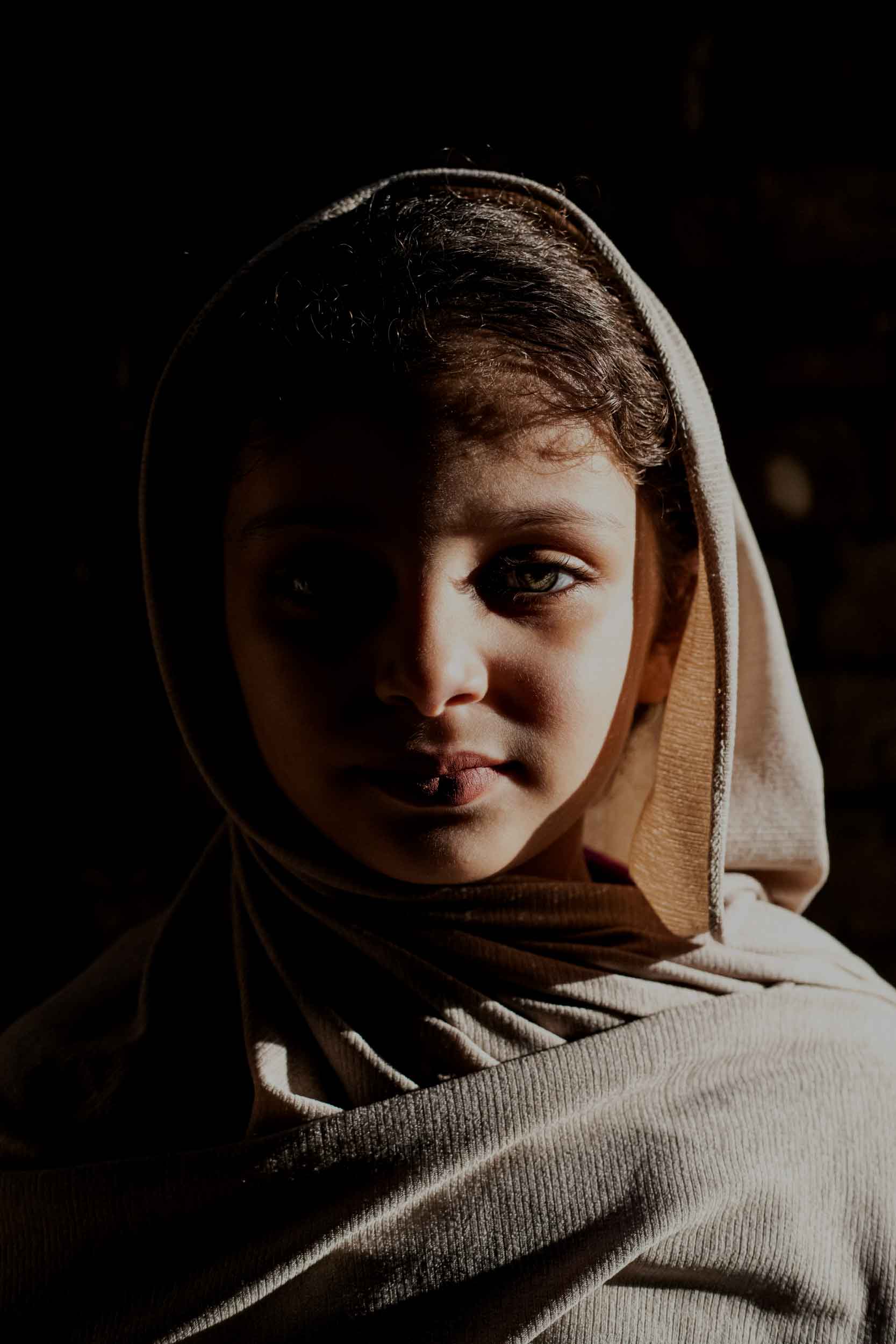
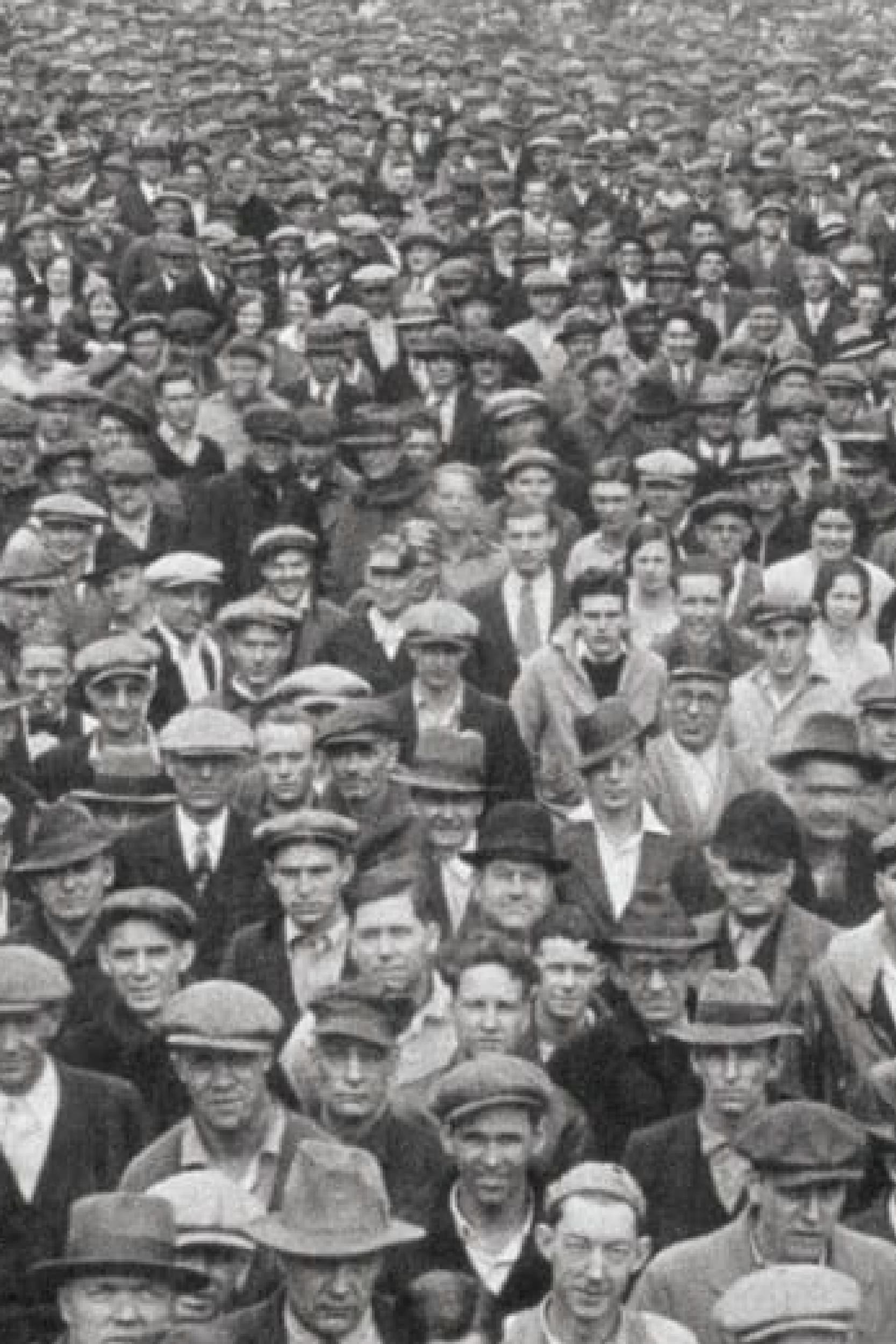
The prevailing models of consumption and extraction have long neglected young people, future generations, and the environment, bodies and systems that are intrinsically interconnected in a web of reciprocity. We might have created boundaries and territories, but floods and disasters recognise none. As the Earth heats up and natural systems approach tipping points, tensions are also surfacing within human-made systems. Thousands of human bodies are coming together as a political mass, confronting the otherness that has long been silenced.
“Social histories that accumulate in bodies shape how protests, protesters, and political causes are perceived,” writes Owen McNamara. Bodies of colour, marginalised communities, and those most vulnerable to rising prices are also among those most exposed to climate change. Yet these are precisely the bodies that are often overlooked when policies are made. In The Great Derangement, Amitav Ghosh writes: “Global inaction on climate change is by no means the result of confusion or denialism, or lack of planning; on the contrary, the maintenance of the status quo is the plan.” In this context, climate change negotiations have the potential to challenge the global hierarchy, as existing distributions of power and economic growth continue to favour fossil fuel consumption.
Prices are invariably connected to ecosystems, from what we grow and harvest to what we are able to produce. “Climateflation” is a term coined by Ryan M. Katz-Rosene and James Jackson. Their research examines how the causes and effects of climate change drive rising costs, further exacerbating social inequality, political radicalisation, and geopolitical instability. In their words, climateflation “could also make reactionary — and xenophobic — political movements more compelling to an increasingly frustrated and angry population.” Such discontent could fuel conflict between communities and nations, driven by growing disparities.
Yet even if the world’s inequalities are deeply entrenched, nothing is set in stone. Under severe pressure, systems begin to fracture. We live in a more equitable world today because someone in the past dreamed of it, imagined it, and took to the streets with hope, fierceness, and an unshakeable belief that, collectively, they could and would set justice in motion. Perhaps we remain blindsided by the myth of the world we are living in, unable to see the movement already underway. But what if a more just world is already possible? What if it is already in the making?
Words by Priyanka Singh Parihar
Founder and EIC
Priyanka Singh Parihar is a BIPOC writer, curator, and art director who explores the connection between humans and nature, seeking new ways of existing. Hailing from a rural farming community in India and now residing in Milan, she observes the world through two distinct cultural perspectives: East and West, rural and urban.
Her work with Planted Journal began during a period of severe depression and eco-anxiety. Through creative practice, she found a path to healing. With a history education in Delhi, which provided her with critical and academic tools, and a master’s in fashion styling in Milan, where design, fashion, and aesthetics have shaped her, she is now dedicated to applying her experience to the field of climate justice.