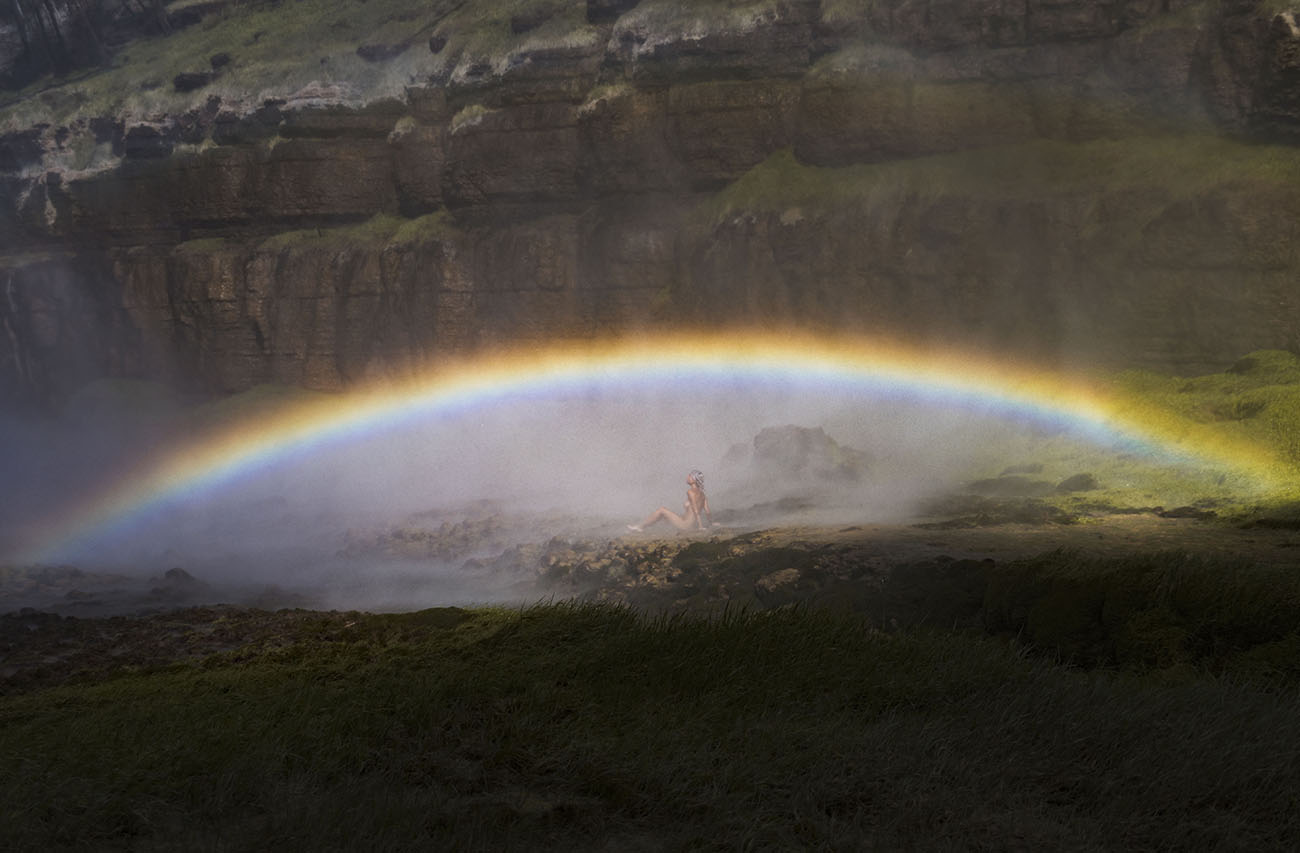

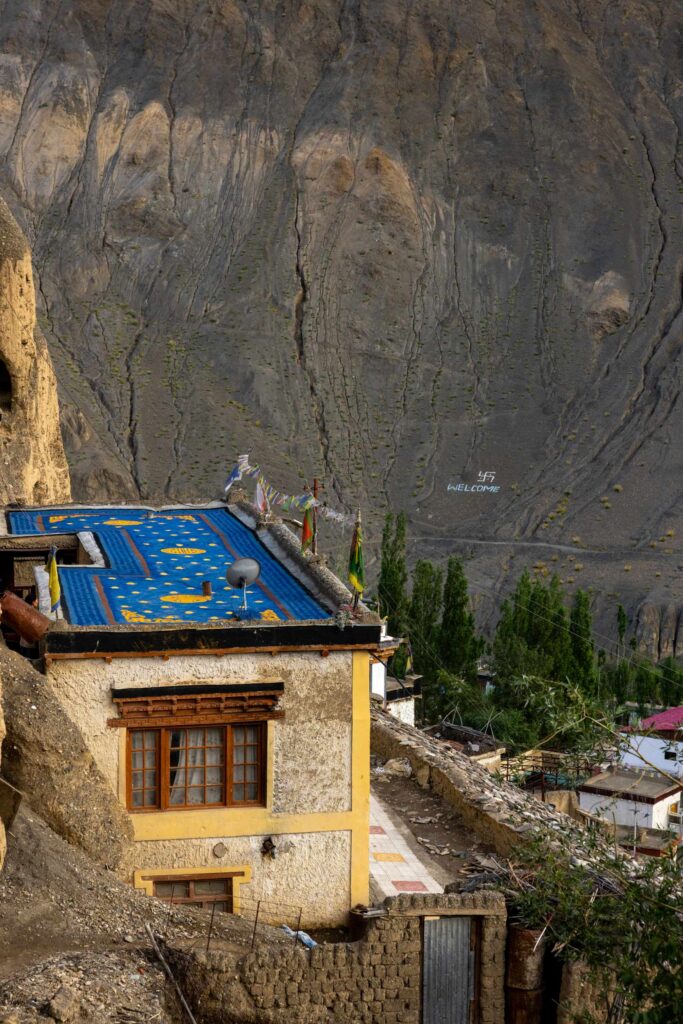
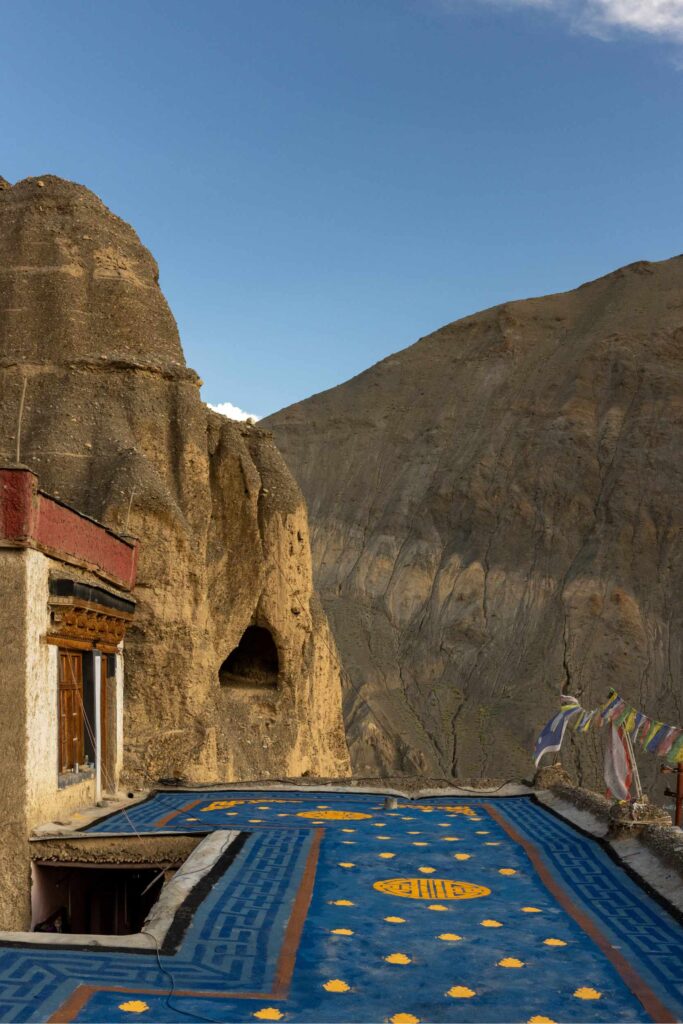
In northern India, high in the mountainous desert of Ladakh, cliffside monasteries, medieval ruins and sweeping glacial valleys contribute to a deep spiritual resonance. Village communities have long lived here in the rain shadow of the Himalayas, where in spring the apricot trees blossom; in summer, travellers come to trek the rough terrain; in autumn, gold and copper paint the landscape; and in winter, the elusive snow leopard appears again to watchful eyes. Shaped by the complex and interwoven histories of its districts, Ladakh reflects a blend of traditions which together inform a unique perspective on a changing climate.
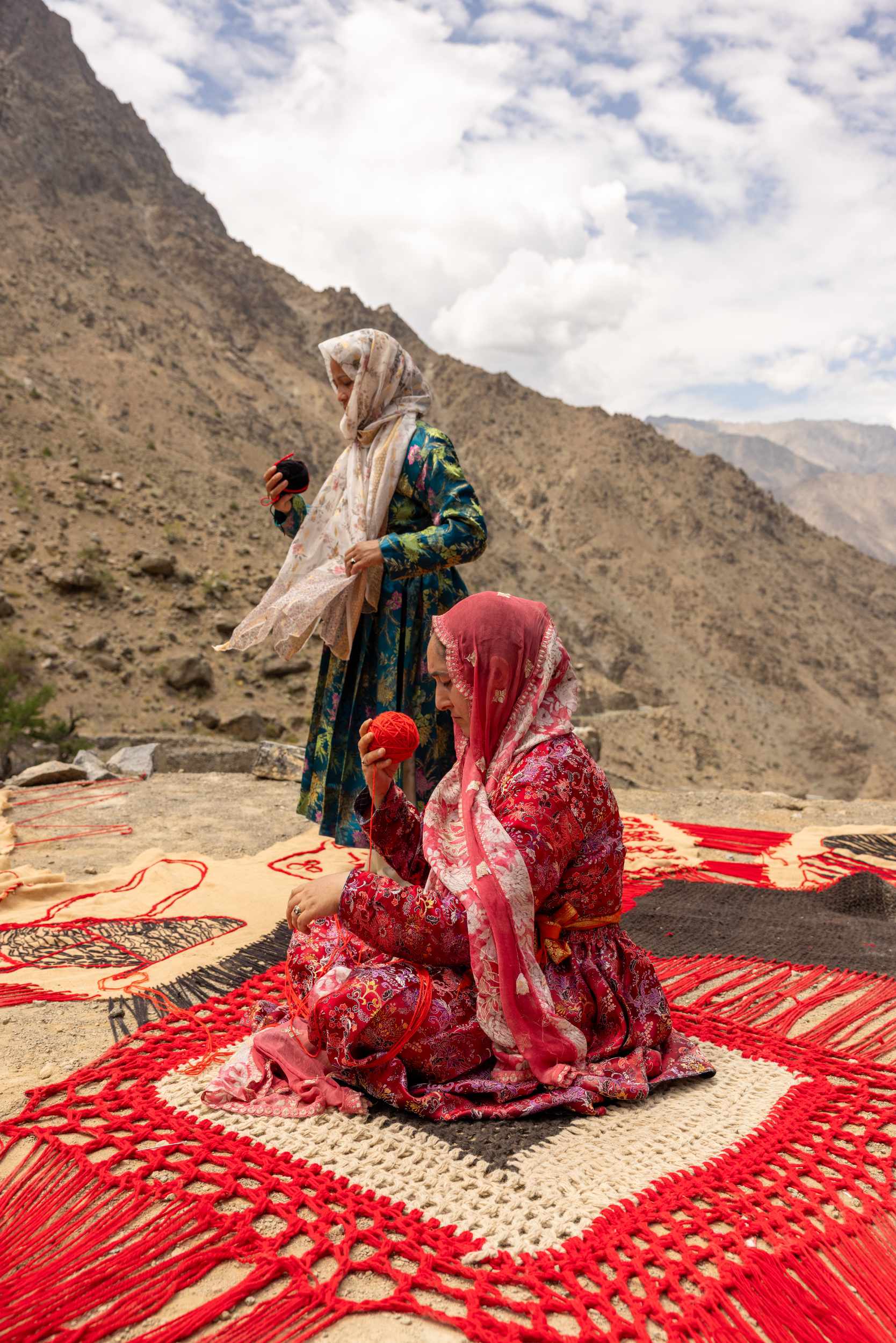
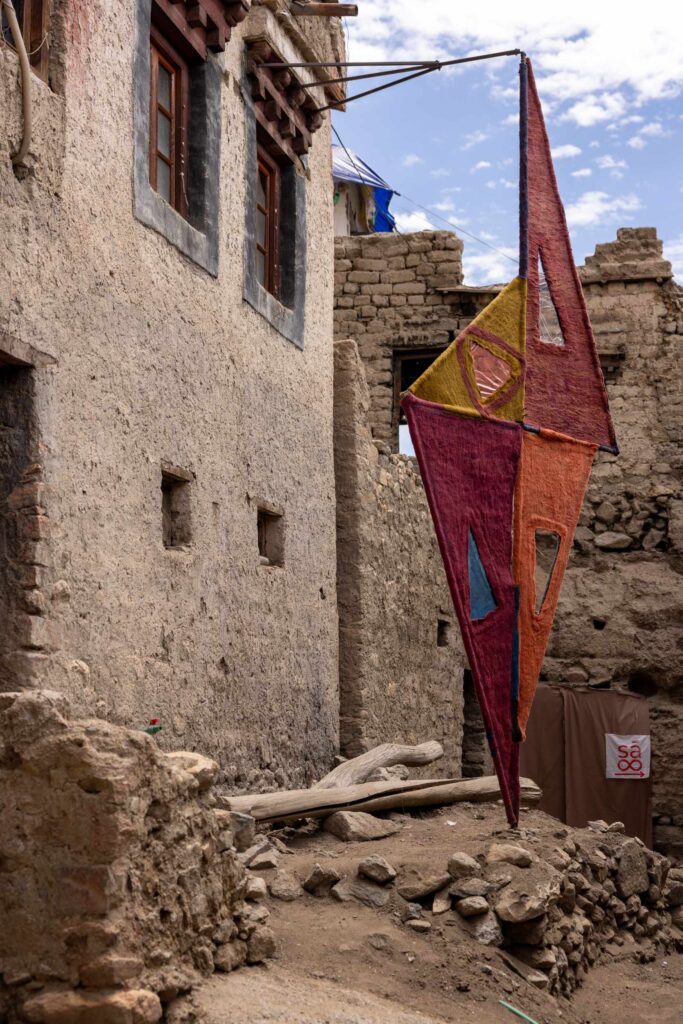
Enter sā Ladakh: a record-breaking, high-altitude land art exhibition which shared its third edition throughout August 2026. Declared the inaugural sā Ladakh Biennale, this year’s edition, titled Signals From Another Star, was particularly exciting as it moved beyond the yearly festival structure established in 2023 and instead unfolded as a journey across eight sites within India’s Leh-Kargil corridor, a stretch of land historically significant for its placement on the Silk Road. Ladakhi and international artists displayed works across the sites, while visitors were encouraged to spend time within the villages, landscapes and conversations they encountered. Three special art projects also took place outside the main programme, involving collaboration with local artists and institutions.
The Biennale is a communal space – an opportunity for students, researchers, village organisations, people of marginalised identities and other interested parties to come together through knowledge exchange, reflecting on relationships with land, culture and climate. We reached out to sā Ladakh’s team to ask about their mission and how this collective has evolved in the two years since we last spoke.
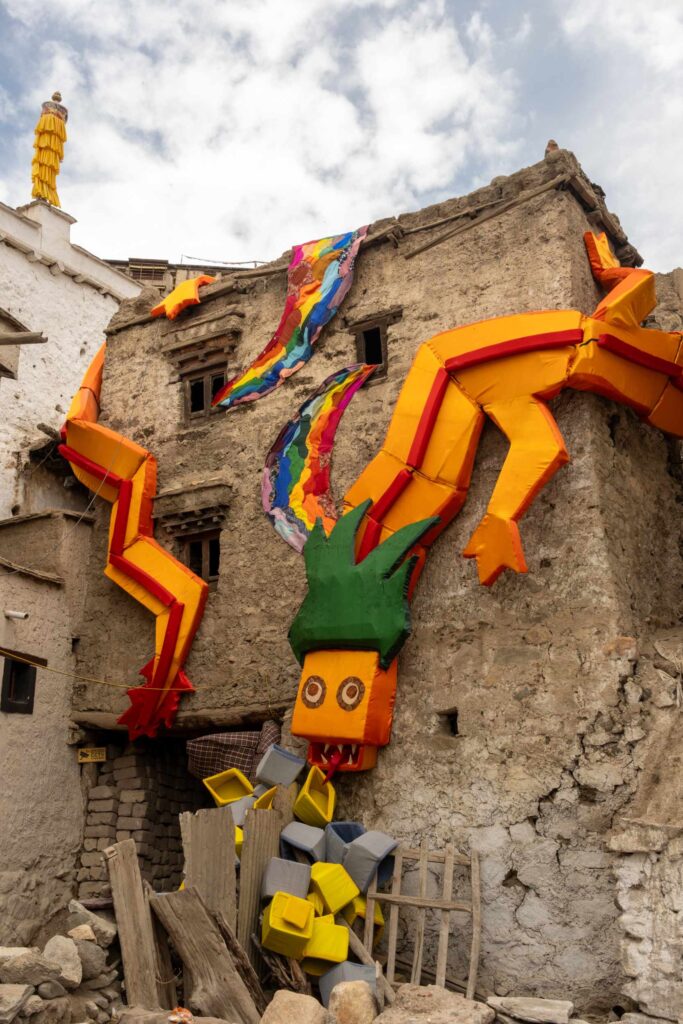
Sarita Gara: Firstly, how did you conceive of this year’s exhibition name, Signals from Another Star? Could you elaborate on how this concept of the interstellar connects to a project that is simultaneously so specific to its place and time?
Raki Nikahetiya: With Signals from Another Star, we kickstart the first edition of the Sa Biennale. Each artist was asked to imagine their work in the form of a Signal. Each signal – beamed from a specific location on the 200+ km route – is composed of material or ephemeral transmissions that expand from that specific site across a larger expanded landscape. Bringing together Ladakhi and international artists from diverse geographies and practices, it takes the form of a field of signals, foregrounding attentive, site-responsive practices that engage with the land, its memory, weather, trade routes, communities and histories. In doing so, it invites new ways of seeing and understanding these conditions, while asking how art might take responsibility for climate through close engagement with place. Every Signal is a call, a beacon, a transmission to the beyond, and we happen to be there, given the choice of being a witness, a bystander, an actor.
Sarita: I wonder if you could talk more about the relationship between land and memory, perhaps touching on some of the conversations that informed this year’s site selection process and artist proposals. For instance, how has the region’s deep-rootedness in Buddhism or the memory of violence in Kargil impacted the way in which the land itself is viewed and represented by this year’s artists?
Raki: Ladakh cannot be understood through a single identity. As with every place, its richness and complexities lie in the many people, traditions and experiences that shape it. Its diverse cultural and religious traditions have shaped ways of thinking about interdependence, belonging and our relationship with the natural world. These values resonate with artists whose practices explore ecology, coexistence and care.
At the same time, places such as Kargil remind us that landscapes also hold memories of conflict and layered histories. So mountains, as well as any landscapes, can be places of pilgrimage and reflection, while also bearing the traces of political and historical struggle. Rather than simplifying these realities, the Biennale reflects on their complexity. We feel art can create space for multiple perspectives to exist alongside one another with openness and respect. Instead of offering definitive narratives, many of the projects explore how memory is held collectively, how landscapes carry history and how communities continue to imagine hopeful futures while remaining connected to their past.
Places such as Kargil remind us that landscapes also hold memories of conflict and layered histories. So mountains, as well as any landscapes, can be places of pilgrimage and reflection, while also bearing the traces of political and historical struggle. Rather than simplifying these realities, the Biennale reflects on their complexity.
Raki Nikahetiya,
Director & Co-Founder, sā Ladakh Biennale
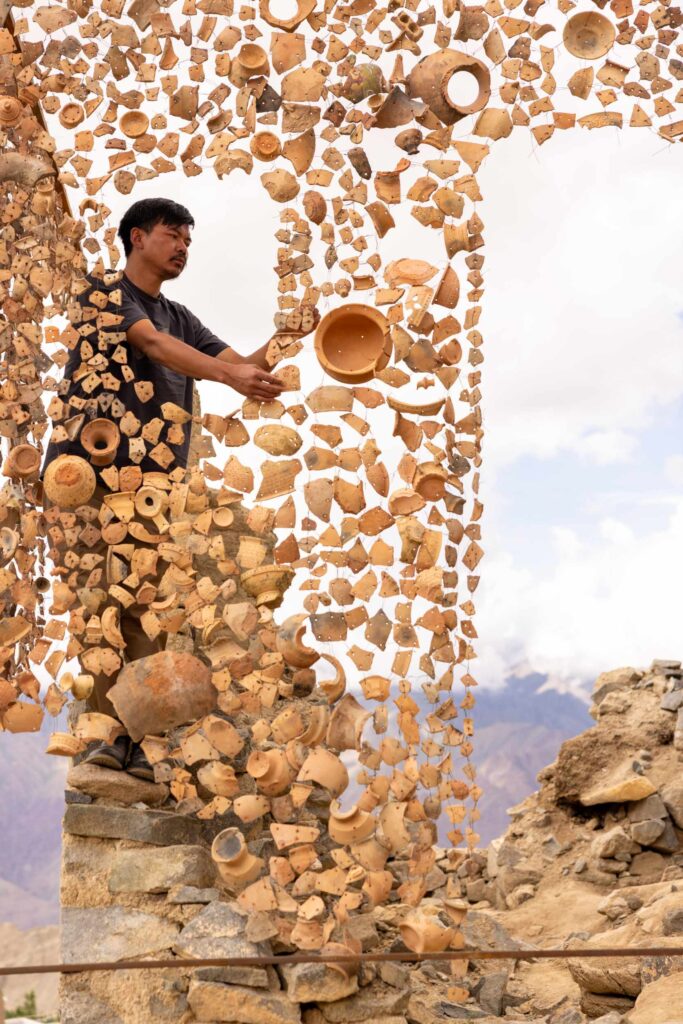
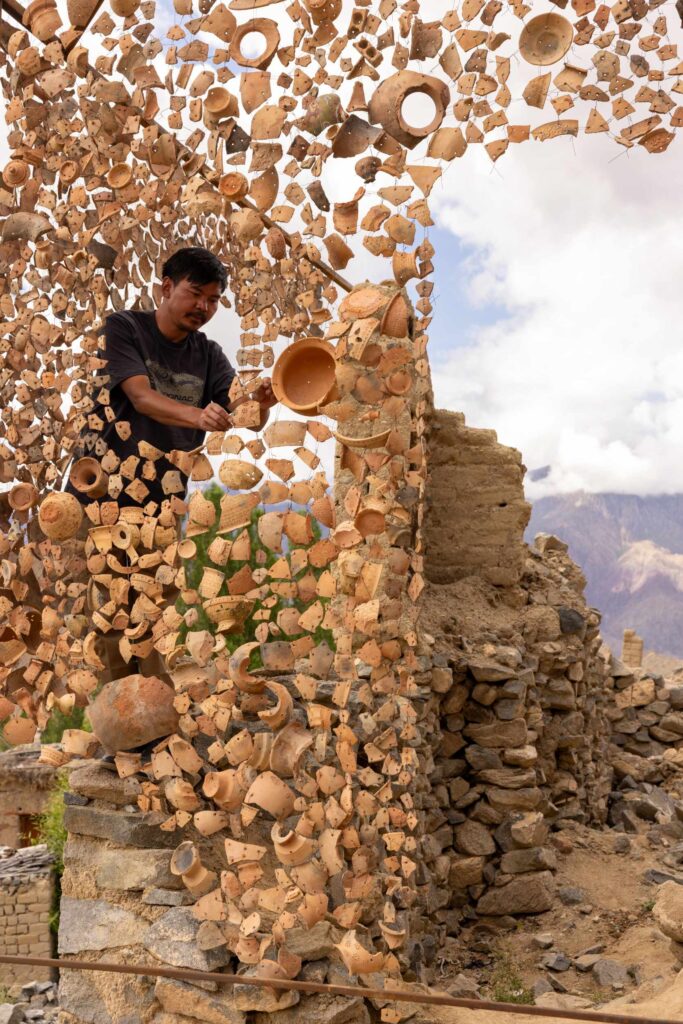
Sarita: How does sā Ladakh balance responsibilities within this temporal intersection – holding space for regional histories while also looking into the future and being attuned to the present-day experiences and needs of people in Ladakh? That is, do these positions ever exist in tension with one another?
Raki: Often institutions are encouraged to choose between heritage and innovation. We believe both have an important place. Traditional knowledge systems are not simply remnants of the past; many hold practical ecological wisdom that is increasingly valuable as we respond to the challenges beyond climate change. At the same time, young people in Ladakh are navigating profound technological, social and economic change, and their aspirations are equally important.
The Biennale seeks to be a place where these perspectives can meet rather than compete, through climate positivity and simple compassion. We see history as a foundation for imagining the future, not as something that limits it. Our attempt is to nurture continuity by creating space for conversations across generations, where different forms of knowledge can coexist, learn from one another and evolve together.
Sarita: In your previous interview with us, Raki, you said that you aim “to inspire a cross-cultural, multi-generational, multi-disciplinary dialogue and exchange”. In what ways, beyond those discussed above, does the 2026 edition of sā Ladakh reflect this diversity of experience and thought?
Raki: One of the most inspiring developments of this Biennale is that participation extends beyond art-making. Schools, differently abled communities, village organisations, researchers, craftspeople and environmental practitioners all contribute to the Biennale in valuable ways. We believe knowledge is created and shared by many different people, experiences and ways of living.
Some of the most enriching conversations may emerge between a visiting artist and a local farmer, between schoolchildren and climate researchers or between clergy and contemporary architects. These encounters are as important to the Biennale as the artworks themselves. In this way, the Biennale slowly becomes a shared space for learning, exchange and discovery, where different forms of knowledge meet with curiosity, and mutual respect through art.
Sarita: Building on the previous question, would you say that the organisation in some ways serves to challenge the ethnic and generational divides that permeate India’s political sphere?
Raki: Our intention is not to present the Biennale as a solution to political or social challenges. Rather, we hope it can create spaces where people encounter one another with openness and. curiosity, beyond familiar identities, assumptions or differences. When communities come together around shared questions instead of fixed positions, there is the possibility for new relationships, deeper understanding and mutual care to emerge. India’s extraordinary diversity has always been one of its greatest strengths. Nurturing that richness depends on creating opportunities for ongoing dialogue, listening and exchange. If the Biennale can contribute, even in a small way, to fostering empathy and meaningful connections across generations, cultures and communities, we feel it will have fulfilled an important part of its purpose.
When communities come together around shared questions instead of fixed positions, there is the possibility for new relationships, deeper understanding and mutual care to emerge. India’s extraordinary diversity has always been one of its greatest strengths. Nurturing that richness depends on creating opportunities for ongoing dialogue, listening and exchange.
Raki Nikahetiya,
Director & Co-Founder, sā Ladakh Biennale
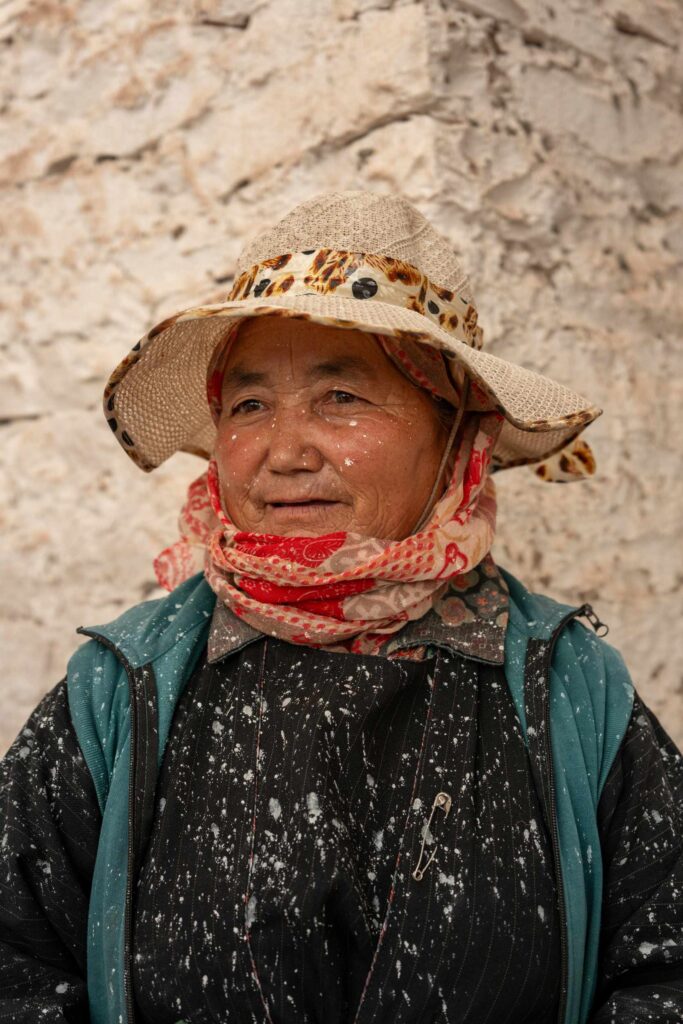
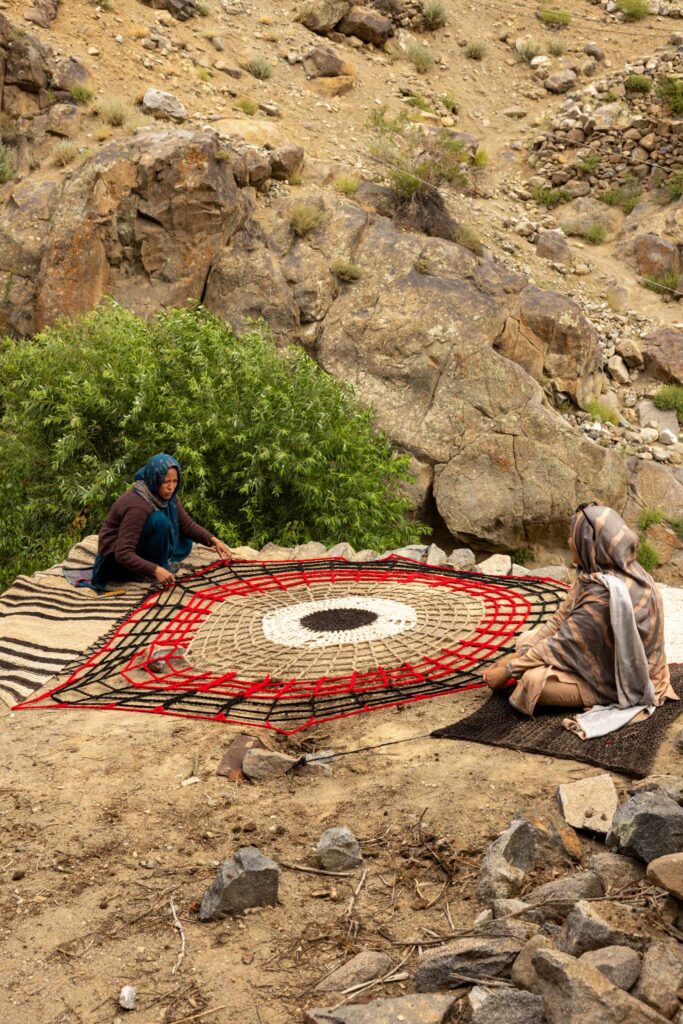
Sarita: I’m interested in your partnerships with sporting organisations as well as the fact that one of your founders is a climber. I think societies and popular media often draw lines between athletes and artists, as if they are two very different or even opposing categories, but your group’s work is strengthened by some key similarities between these identities. Broadly speaking, how do you view the confluence of sports and art?
Raki: I’ve always felt that the distinction between art and sport – as well as science – is more imagined than real. All ask for discipline, imagination, resilience and a deep relationship with mind and body. They invite us to keep learning, to embrace uncertainty and to grow through practice. We learned a lot from our co-founder Tenzin Jamyang and the Suru Festival. Climbing, for example, teaches humility. Mountains are never conquered; they simply allow us passage. That perspective has profoundly shaped how we approach cultural work. Rather than arriving with answers, we arrive ready to listen – to the landscape, to local knowledge and to the people who call it home. Sport also has a remarkable way of bringing people together across languages, cultures and backgrounds. Art can do the same, offering different but equally meaningful ways of connecting with one another.
Sarita: Could you talk about the concept of regenerative art and how your collaboration with Good Life X (GLX) has shaped the third edition of sā Ladakh?
Raki: For us, regenerative art is about more than simply reducing harm. While sustainability often focuses on minimising our impact, regeneration asks how cultural practice can actively nurture ecosystems, strengthen relationships and support communities. So it encourages us to think not only about what an artwork is made from, but also about what it leaves behind. Does it generate new knowledge? Does it create opportunities for local communities? Does it help restore ecological systems? Does it foster relationships that continue long after the exhibition ends?
Our collaboration with Good Life X’s founder Randula de Silva, CEO Emma de Silva and team has been an important part of deepening these conversations. Together, we have explored the idea of climate optimism – not as blind optimism, but as the conviction that meaningful change becomes possible when creativity, science, local knowledge and collective action come together. In many ways, Good Life X has helped us think of the Biennale as a living and learning laboratory, where art can spark curiosity, encourage collaboration and deepen our understanding of the places and communities we work with.
For us, regenerative art is about more than simply reducing harm. While sustainability often focuses on minimising our impact, regeneration asks how cultural practice can actively nurture ecosystems, strengthen relationships and support communities. So it encourages us to think not only about what an artwork is made from, but also about what it leaves behind. Does it generate new knowledge? Does it create opportunities for local communities? Does it help restore ecological systems? Does it foster relationships that continue long after the exhibition ends?
Raki Nikahetiya,
Director & Co-Founder, sā Ladakh Biennale
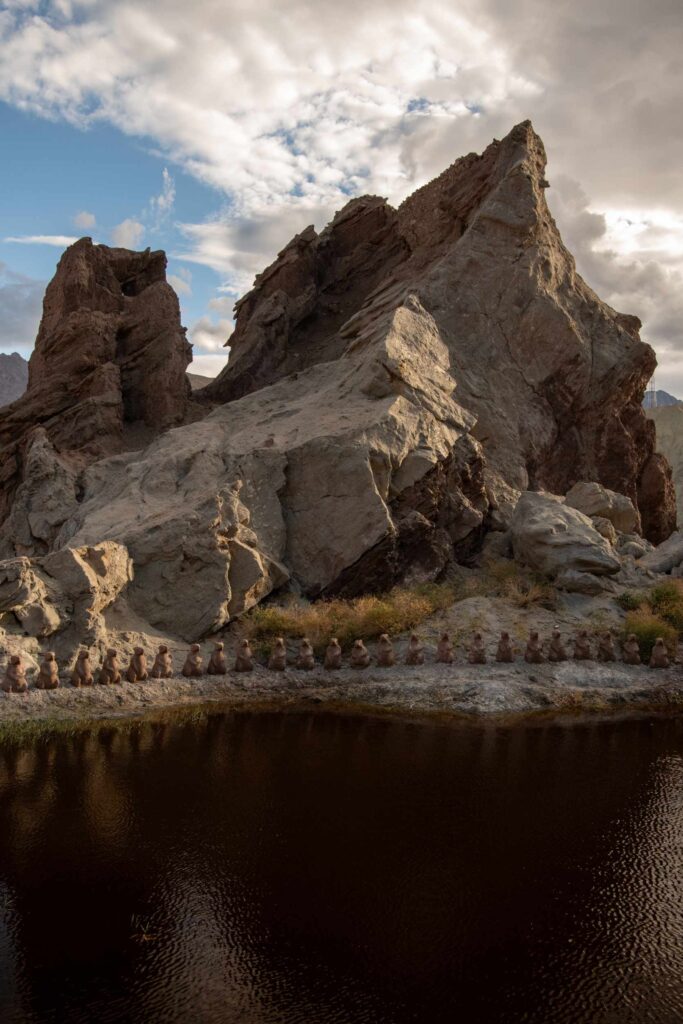
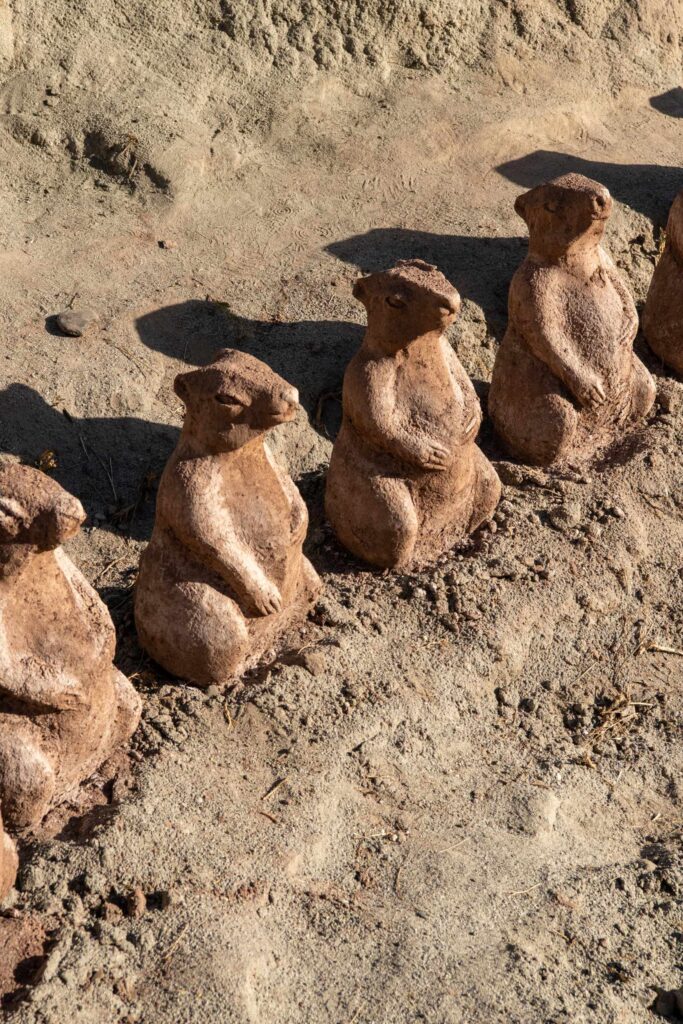
Sarita: In what ways have your views on climate been reinforced, challenged and expanded over these last few years since the founding of sā Ladakh?
Raki: One of the biggest lessons for us has been that climate change is never just an environmental issue. It is deeply connected to culture, education, livelihoods, water, health and the ways people relate to the places they call home. We’ve also learned that local communities are not simply experiencing the effects of climate change – they are responding with remarkable knowledge, creativity and resilience.
Whether through traditional or new forms of water management, Indigenous or regenerative farming practices, or everyday acts of care for the land, Ladakh reminds us that many valuable solutions already exist within communities. At the same time, we have learned that none of us can have all the answers alone. We are constantly learning, adapting and sometimes getting things wrong. That, too, is an important part of the process. Progress comes from being willing to experiment, to listen and to share both successes and failures openly. When we approach challenges without blame, shame or judgement, they become opportunities to learn together and find better ways forward. That has given me a sense of optimism.
For me, climate optimism is not about overlooking the challenges we face. It is about believing that when people come together with curiosity, humility and a willingness to learn from one another, meaningful change remains possible.
Sarita: It is wonderful to see your work achieving recognition on a broad scale – for instance, featured in the Asia-Europe Foundation’s Green Guide for India. What is your overarching vision, or in other words the impact you hope to achieve beyond this short-term exhibition experience?
Raki: It’s encouraging to see these ideas finding resonance beyond Ladakh. For us, the greatest value lies in seeing the conversations, relationships and collaborations continue long after the exhibition has ended.
I’d like to see it continue bringing together artists, schools, researchers, craftspeople and local communities, while encouraging people to care more deeply for the places they call home and the knowledge that already exists there. We also hope that what we’ve learned through our regenerative approach can be useful beyond Ladakh – not as a model to replicate, but as an invitation for others to develop responses rooted in their own landscapes, cultures and communities.
Ultimately, we don’t think in terms of legacy but of continuity and custodianship. Our hope is that sā becomes something that no longer depends on any one individual, but continues to evolve through the people who shape it. If, years from now, it is still creating meaningful connections between people, place and ideas, and younger generations feel a sense of ownership over where it goes next, that would feel worthwhile.
For me, climate optimism is not about overlooking the challenges we face. It is about believing that when people come together with curiosity, humility and a willingness to learn from one another, meaningful change remains possible.
Raki Nikahetiya,
Director & Co-Founder, sā Ladakh Biennale
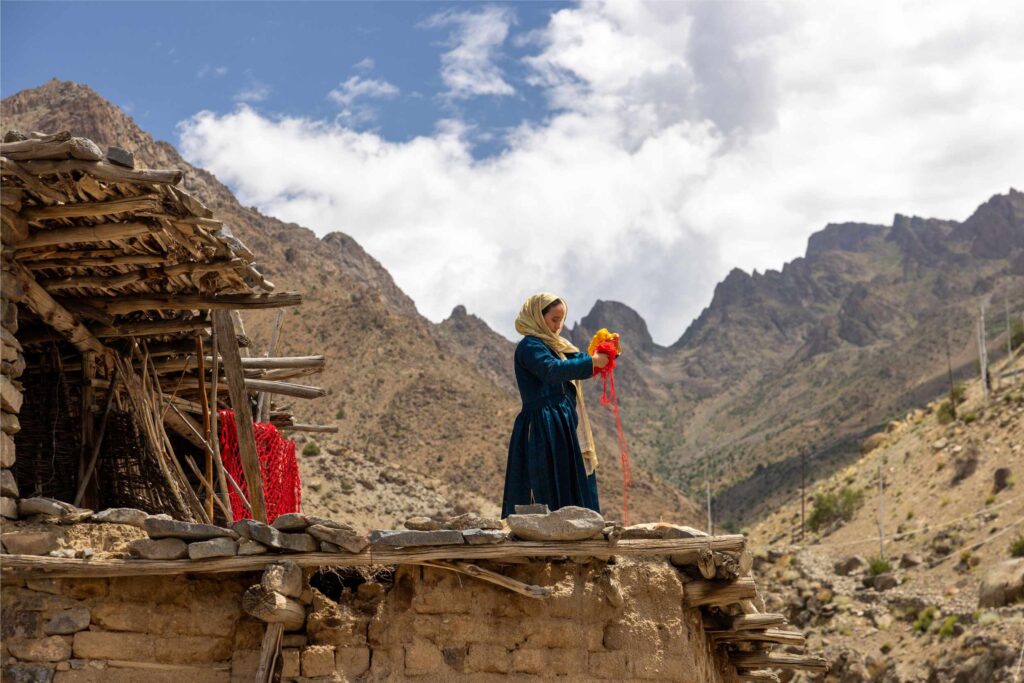
Interview by Sarita Gara
Sarita Gara is Assistant Editor at Planted Journal. She lives and works in Ohio, USA, travelling often to other states for pleasure or to visit loved ones. She is an arts advocate and library worker, bringing a well-rounded perspective from a background of studies encompassing English literature, environmental issues, feminist thought, political identities, and queer culture. She has written many articles for Medium and served as editor for various independent magazines and projects. Sarita takes great pleasure in working at the bridge of her interests to explore the human/nature connection.