In a time of monoculture, in part due to censorship, it is the artists, researchers, and independent media who can challenge the singular perspectives and narratives on how current and historic conflicts are recorded.
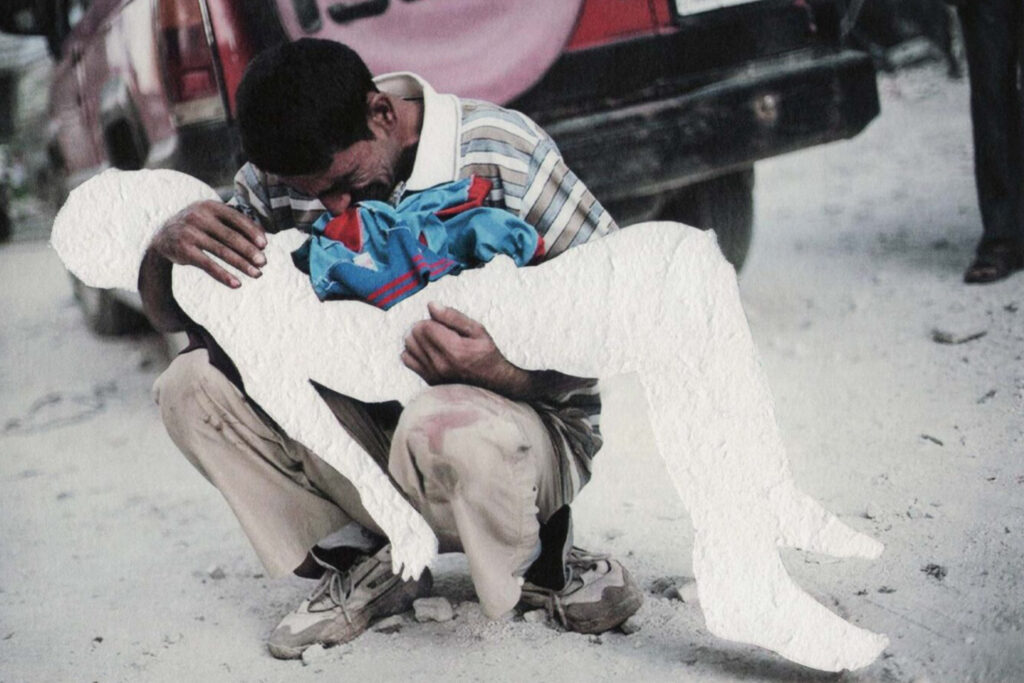
The ways in which conflict is documented fundamentally shape how it is remembered, interpreted, and understood. While documenting conflict is often associated with journalists and historians, artists have long engaged with conflict, not only as witnesses but also as interpreters.
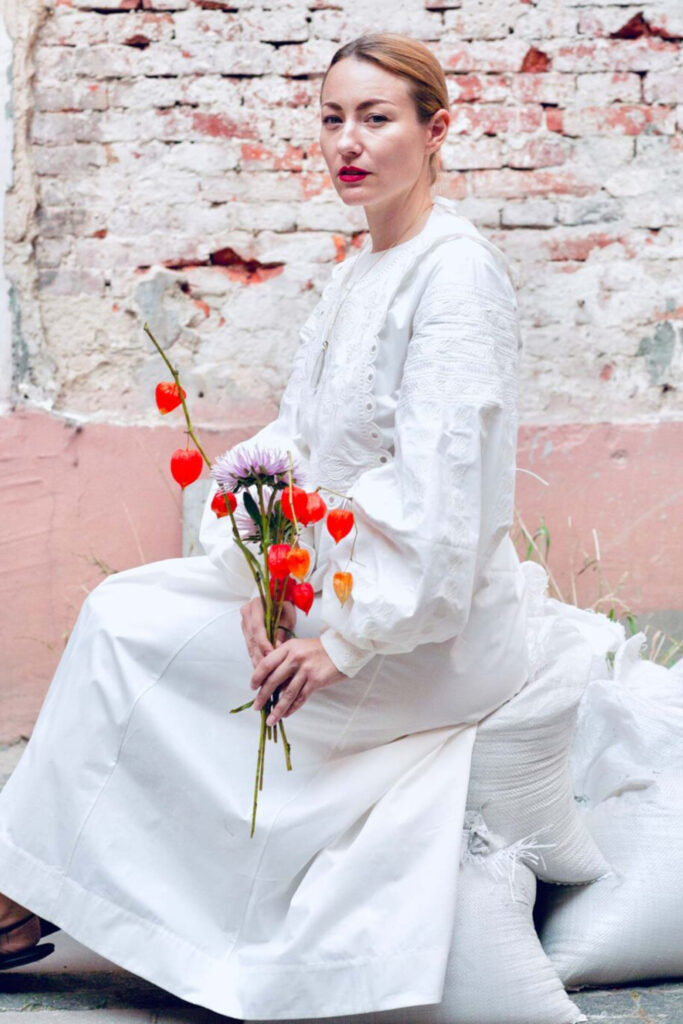
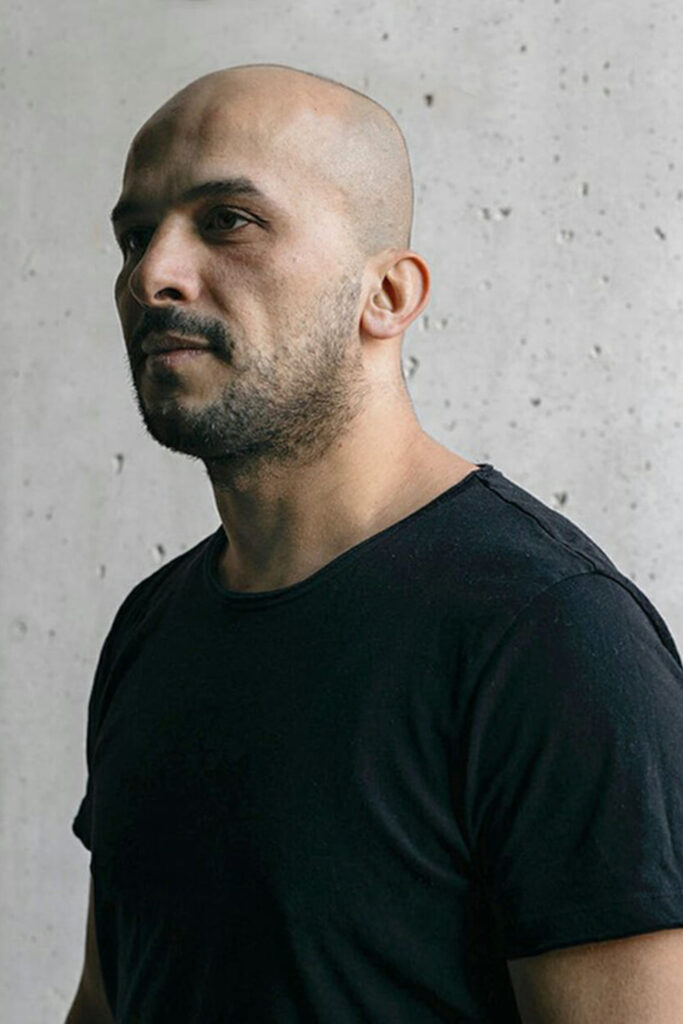
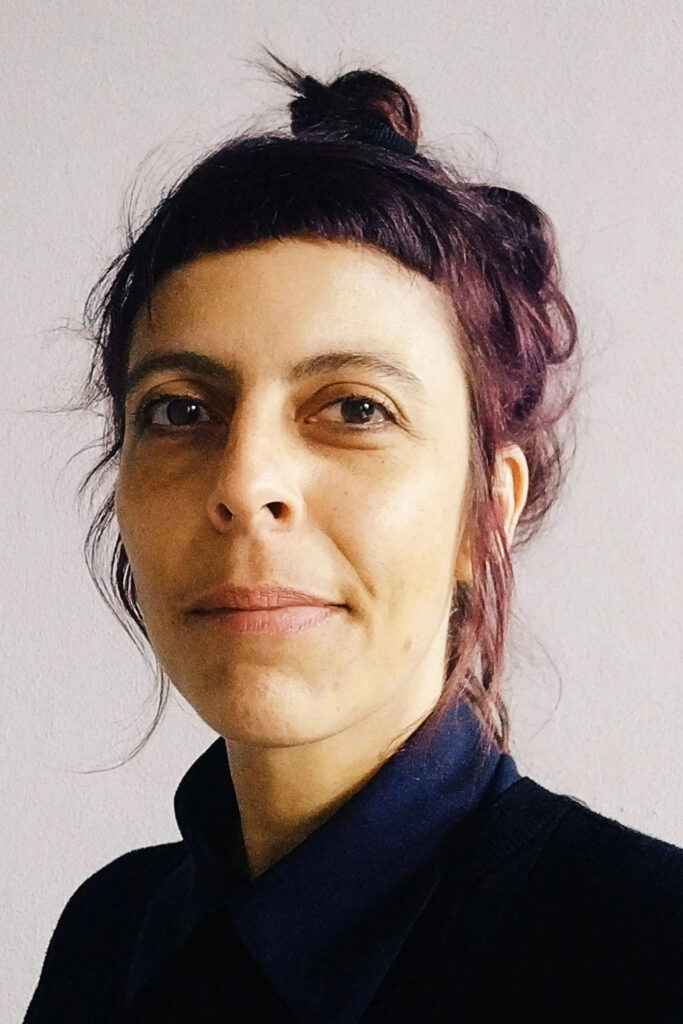
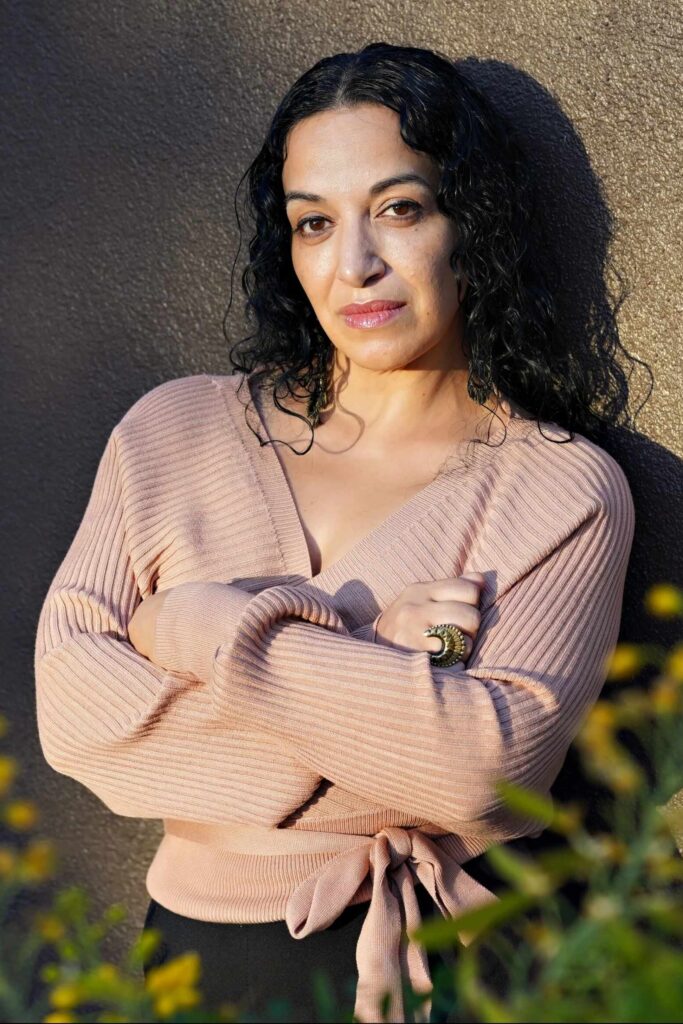
In our Documenting Conflict Artist Talk, join four prominent artists and researchers – Daria Koltsova, Khaled Barakeh, Maddalena Fragnito, and Sama Alshaibi – as they explore how to document conflict, preserve what is at risk of being forgotten, and make room for stories that are often left untold.
Key takeaways: What will the audience explore?
The artist is never entirely outside the conflict.
Understand how personal histories, displacement, identity and political positioning shape theway artists document and interpret events.
Visibility is a question of power.
Explore who controls the images and narratives of war, why some conflicts dominate globalattention while others are overlooked, and whether art can challenge these inequalities.
Memory is a form of resistance.
Discover how artistic practices preserve threatened histories, cultural identities, landscapesand collective memories in the face of destruction and erasure.
There is an ethics to looking.
Question the responsibility of representing violence and suffering without aestheticising trauma,reproducing stereotypes or reducing people to victims.
Art can go beyond documenting destruction.
Consider how artistic practice can create solidarity, open spaces for collective reflection andhelp imagine futures beyond violence and displacement.
Why attend?
Because documenting conflict is not simply about making images of war. It is about understanding who gets to tell the story, whose histories are remembered and whose experiences are erased.
This discussion offers a rare opportunity to hear directly from artists whose practices are shaped by experiences of conflict, displacement, inherited memory and contested belonging.
Attendees will gain:
- First-hand perspectives from artists connected to Palestine, Syria and Ukraine.
- A deeper understanding of the relationship between art, politics and representation.
- Critical insight into the ethics of documenting suffering and violence.
- New ways of thinking about archives, memory, colonial histories and cultural erasure.
Why is this relevant now?
We are living through a moment in which images of war, displacement and destruction circulatecontinuously across news platforms and social media. Yet the constant visibility of violence does not necessarily produce greater understanding, empathy or accountability.
A bombed city can dominate headlines for a week before becoming part of the everyday visuallandscape. Repetition risks turning catastrophe into background noise.
At the same time, the destruction of homes, cultural sites, archives and communities raisesurgent questions about who gets to preserve history and who has the power to define it.
The panel is particularly relevant now because it challenges us to reconsider our relationship with the images we consume, the stories we believe and the histories we allow to disappear.