

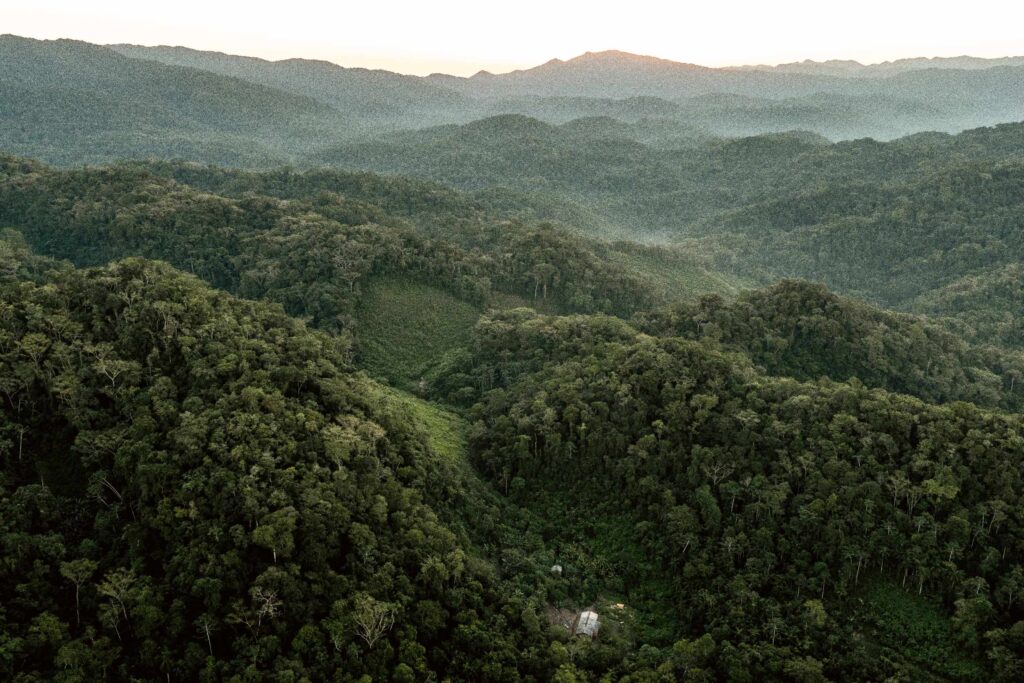
Forests are often imagined as symbols of abundance and places of biodiversity, renewal, carbon storage, and material provision. But abundance is not simply a characteristic of forests; it is also produced by the ways they are governed and inhabited. Across many regions, conservation systems have generated conflicts with the very communities whose lives have long been connected to these territories. In Brazil, Conservation Units, a model rooted in colonial logics and echoed in conservation policies around the world, were established to protect biodiversity. In practice, they often enforce a preservationist vision that separates humans from nature, displacing traditional communities from their ancestral territories in order to preserve an ideal of pristine wilderness.
Indigenous Peoples, Quilombolas, and family farmers have long practiced sustainable stewardship of these territories. But forced displacement, restrictive agreements, and limitations on the most basic infrastructure weaken not only social life but also the ecological relationships that have shaped these territories over generations.
In Vale do Ribeira within Brazil’s Atlantic Forest, Quilombola communities practice itinerant agriculture, rotating cultivation plots so that the forest can regenerate naturally. Their fields are temporary; the forest returns. These cycles sustain biodiversity while securing food systems, cultural heritage, and ways of living that understand conservation as coexistence. Even so, these communities face legal barriers, difficulties in securing land rights, fines, and accusations of environmental degradation. At the same time, industrial interests continue to exploit loopholes in monitoring systems, accelerating deforestation and displacing those who have long cared for these territories.
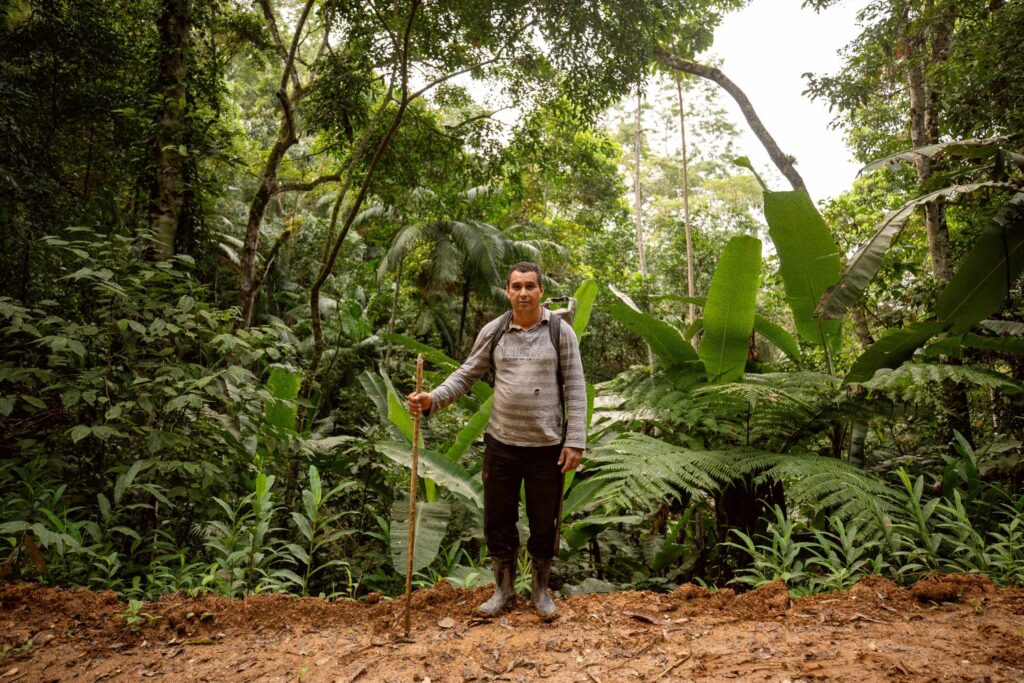
In Bombas, a Quilombola community where families have lived for more than three centuries, resident Edimilson Andrade—known as Denis—puts it simply: “There’s no road, so we walk on foot, enduring all the difficulties and struggles. This is the place where we were born and raised—there’s no way to leave it. The largest preserved area of the Atlantic Forest is here because the communities are here.”
There’s no road, so we walk on foot, enduring all the difficulties and struggles. This is the place where we were born and raised—there’s no way to leave it. The largest preserved area of the Atlantic Forest is here because the communities are here.
Edimilson Andrade
From the quilombola community
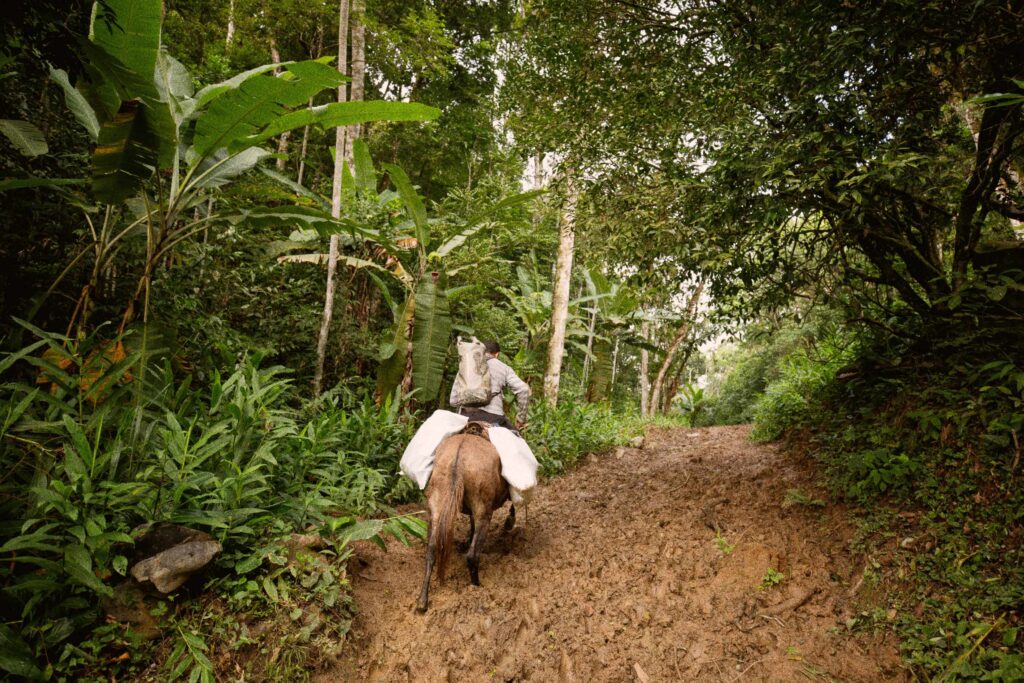
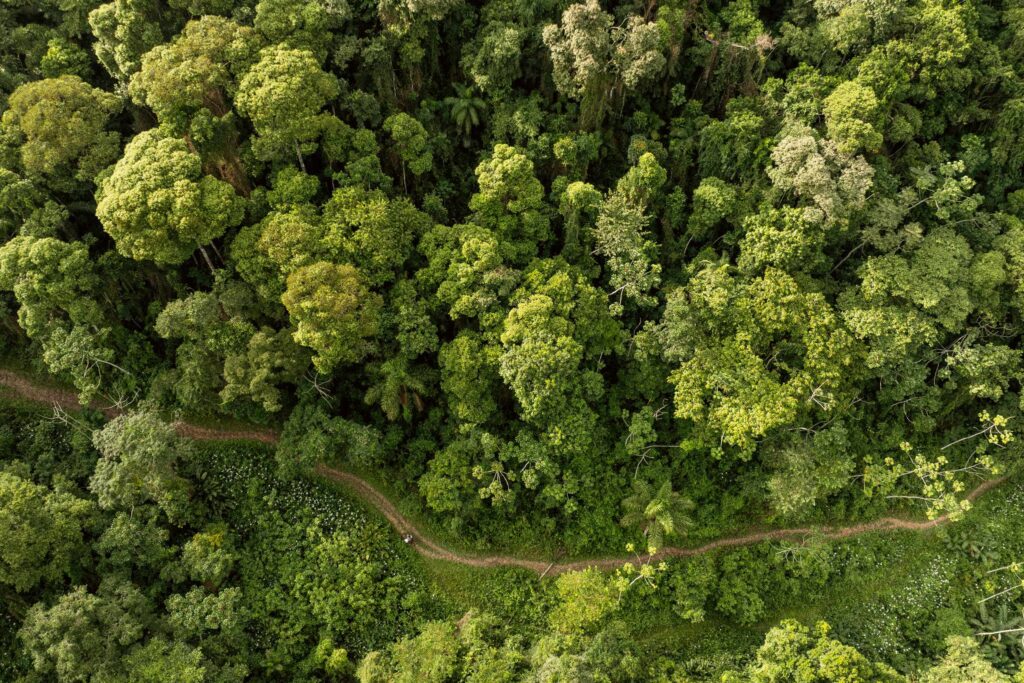
His words reverse a familiar narrative. The forest has endured not despite the communities, but because of them.
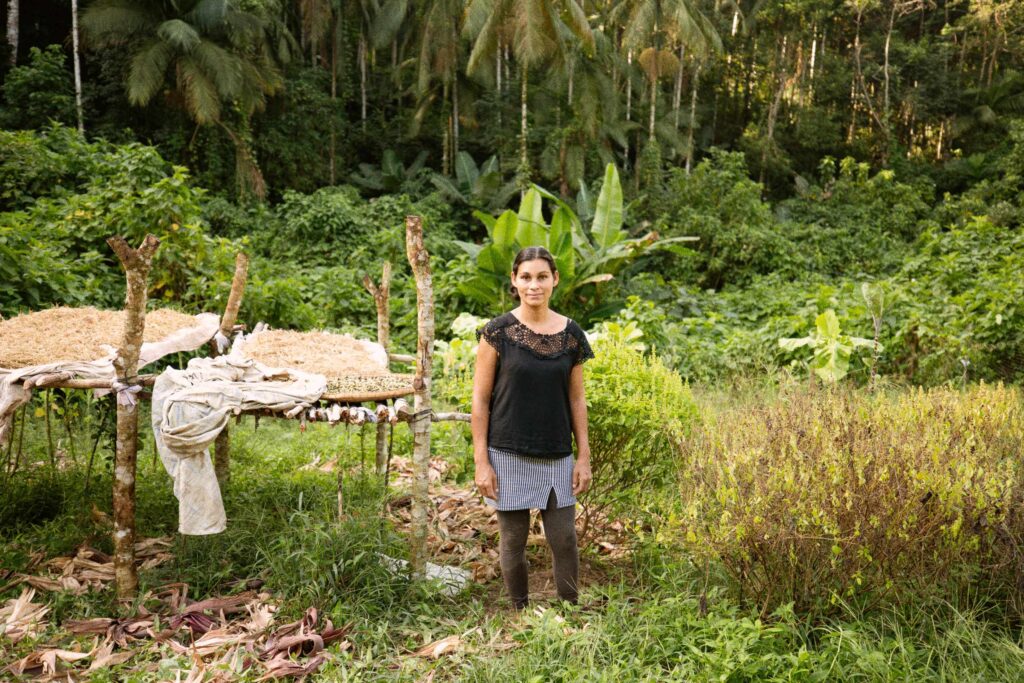
The traditional coivara system of slash-and-burn cultivation offers one example of this ecological knowledge. “When we burn, the ashes rejuvenate the soil, and dormant seeds sprout. Instead of one species, ten emerge,” Denis explains. What appears destructive through the lens of conventional conservation becomes, in practice, a cycle of regeneration that renews both the forest and the community’s relationship to it.
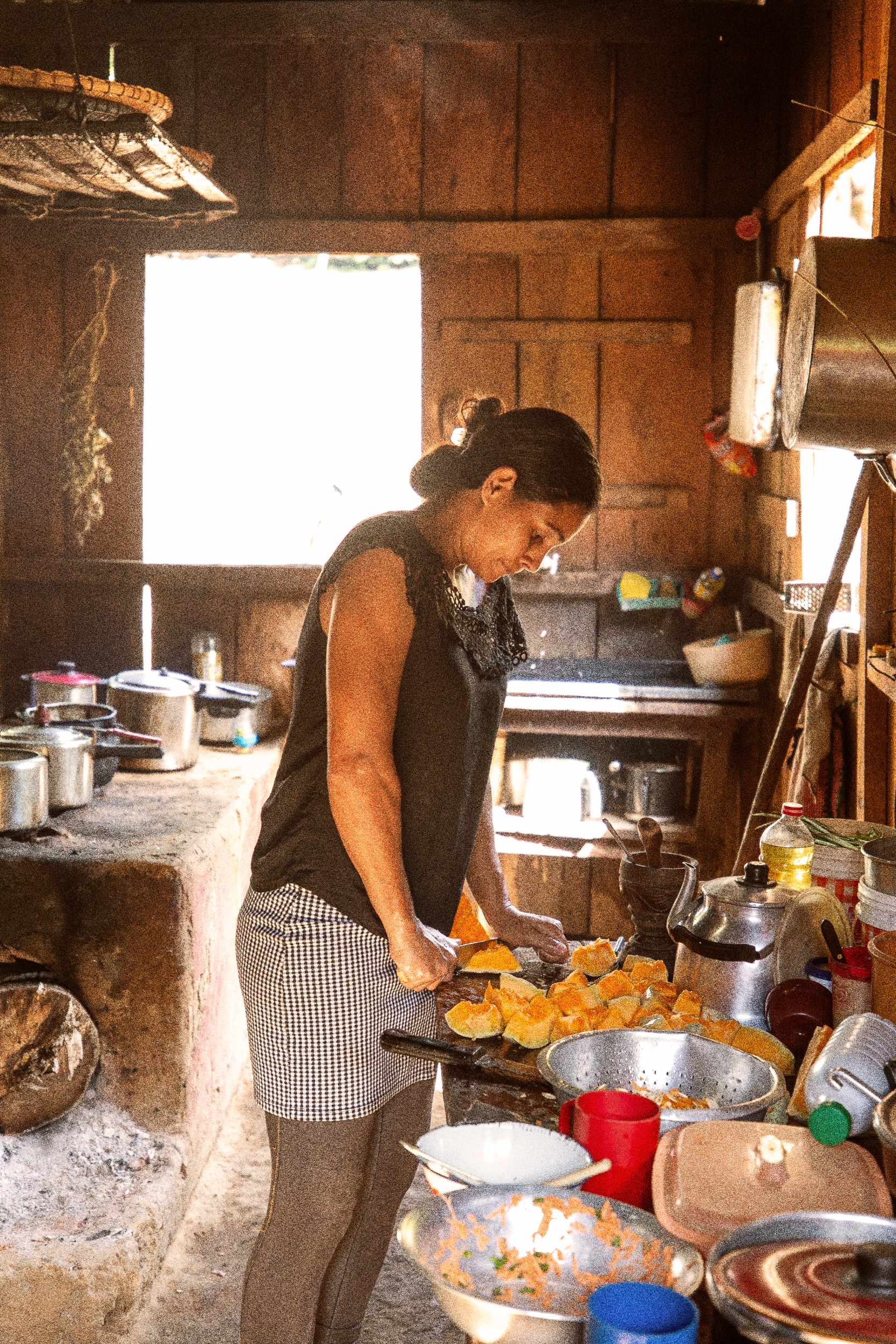
For Suzana Pedroso do Carmo, the absence of infrastructure reveals another contradiction. “If Bombas had a road, preservation would improve,” she says. Carrying produce to the city is arduous, with journeys taking hours on foot. But her understanding of wealth lies elsewhere: “People think we’re unfortunate, but they don’t know. When I go to the market, all I see is poison. I lose my appetite immediately. Our wealth is in the land. With or without money, we eat,” she reflects. Her community’s fight for basic rights, such as access to schools and roads, embodies resilience in the face of systemic neglect.
These photographs trace relationships rather than landscapes alone. They suggest that abundance cannot be measured solely through biodiversity, protected areas, or material resources. It emerges from the reciprocal ties between people and forests, and from practices that allow both to endure. Here, stewardship is not the opposite of conservation; it is its condition. The forest is not simply preserved. It is lived.
People think we’re unfortunate, but they don’t know. When I go to the market, all I see is poison. I lose my appetite immediately. Our wealth is in the land. With or without money, we eat.
Suzana Pedroso do Carmo
Words by Luciana Varkulja, photos by Fellipe Abreu and edited by Luciana Varkulja.
Luciana Varkulja is an architect, researcher, and educator. Her work examines forests as material, political, and territorial infrastructures. Through fieldwork, mapping, and interdisciplinary research, she investigates the relationships between resource economies and the built environment. She is the founder of uma architecture & design and is an adjunct faculty member at the Boston Architectural College.
Fellipe Abreu is an independent Brazilian journalist and photojournalist specializing in social, environmental, and cultural issues across Latin America and Africa. With a degree in cinema, he received a Social Science Research Council award for his investigative work on timber trafficking along the Brazil–Peru border. Fellipe’s work has been published in outlets such as National Geographic and was featured in the 2023 Venice Architecture Biennale. He collaborates with Luciana Varkulja on long-term visual documentation and research exploring forests, territorial transformation, and material supply chains in Brazil.