Listening Beyond the Lens: On Community, Humility, and the Quiet Power of Seeing | Saurabh Narang
Travelling and photographing communities from rural India to rural Germany has taught me that there is no single ‘right’ way to live. More importantly, it has shown me how we are fundamentally the same despite our differences. We all share universal desires, joys, and tragedies—bonds that are far stronger than anything that divides us.
Saurabh Narang
Photographer and conceptual artist
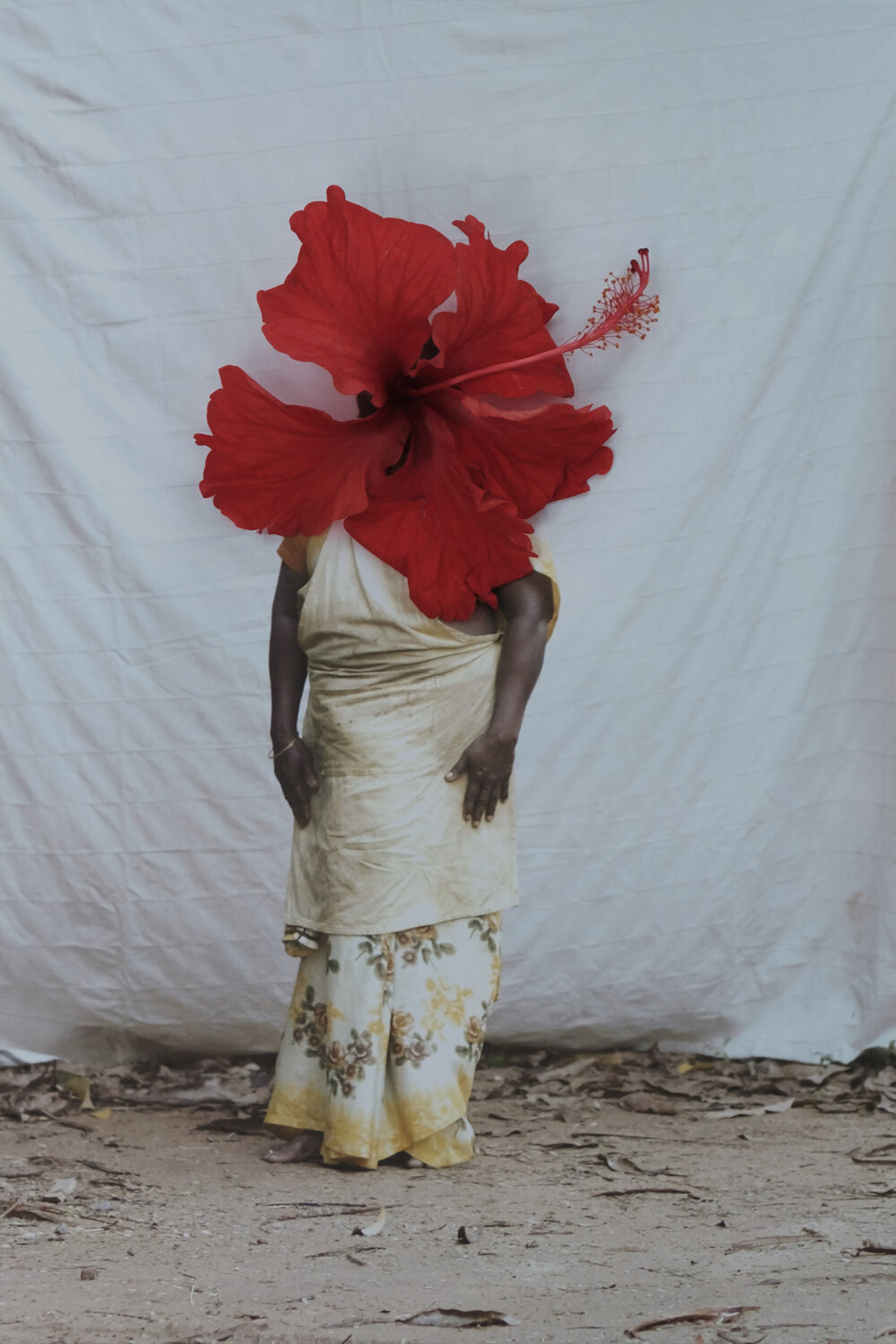
Travelling between India and Germany, photographer and conceptual artist Saurabh Narang (b. 1986, Delhi, India) uses his lens as a way of embodying a moment rather than capturing it. His is a slow practice, birthed by long-term relationships with rural, migrant, and Indigenous farming communities, where trust is built through time, listening, and shared presence. For Narang, the camera arrives only after something more vital has been established.
One place that continues to echo through his work is Spiti Valley, a high-altitude cold desert in the Trans-Himalayan region. “Spiti has a unique power to expand your mind,” he reflects. “It shifts your perspective on life and humbles you with wonders you never knew existed.” His experience there was guided by Ishita Khanna, co-founder of Ecosphere, whom he credits with enabling him to encounter the valley “in its purest, most raw form”, connecting with both land and people in ways that moved far beyond the act of photographing.
Narang’s path into art was shaped by contrast. Before committing fully to his practice, he worked in corporate banking—a world defined by certainty and structure. The shift, he confesses, was not without hesitation. Quoting Oscar Wilde, he notes, “When bankers get together for dinner, they discuss Art. When artists get together for dinner, they discuss Money.” Doubt still surfaces at times, when stability feels tempting. Yet he returns to the same truth: “I didn’t become an artist to figure out the ‘right’ or ‘wrong.’ I did it for the experience.” When uncertainty rises, it is this call to meaningful experience that brings him back to his purpose.
For nearly a decade, Narang has worked closely with rural communities across India, and in recent years with migrant and Indigenous farming communities in Sikkim and Auroville, India, as well as in Oberberg, Germany. While his projects often intersect with social and ecological concerns, he challenges framing his work in terms of responsibility and impact. “My work is less about ‘helping’ and more about learning,” he says. In these encounters, he often finds himself humbled. “I feel small—almost ‘marginalised’—in the face of their collective wisdom.” Outcomes such as awareness or fundraising, he explains, remain secondary effects that exist beyond his control.
Listening lies at the heart of his process. Narang describes arriving at a place without urgency or agenda. “I go to a location just to sit and listen; the camera comes much later,” he says. The experience becomes meditative, immersive. “I completely lose my sense of the outside world.” It is within personal projects, free from external demands, that this way of working can fully unfold. “You have the freedom to just be,” he reflects, “without any editor, publisher or curator chasing you for a story.”
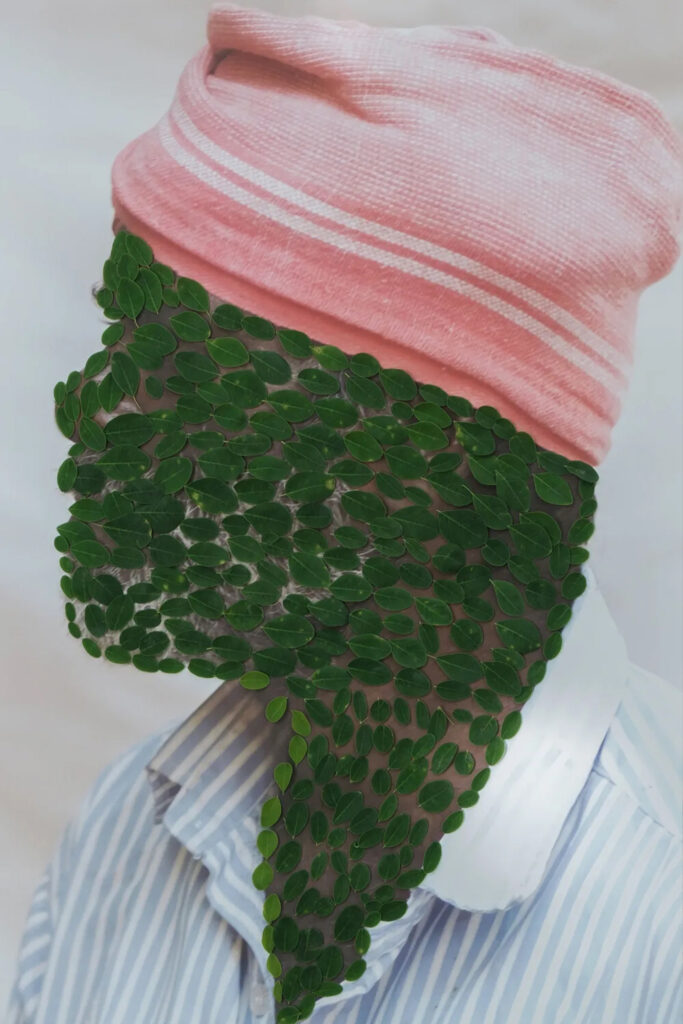
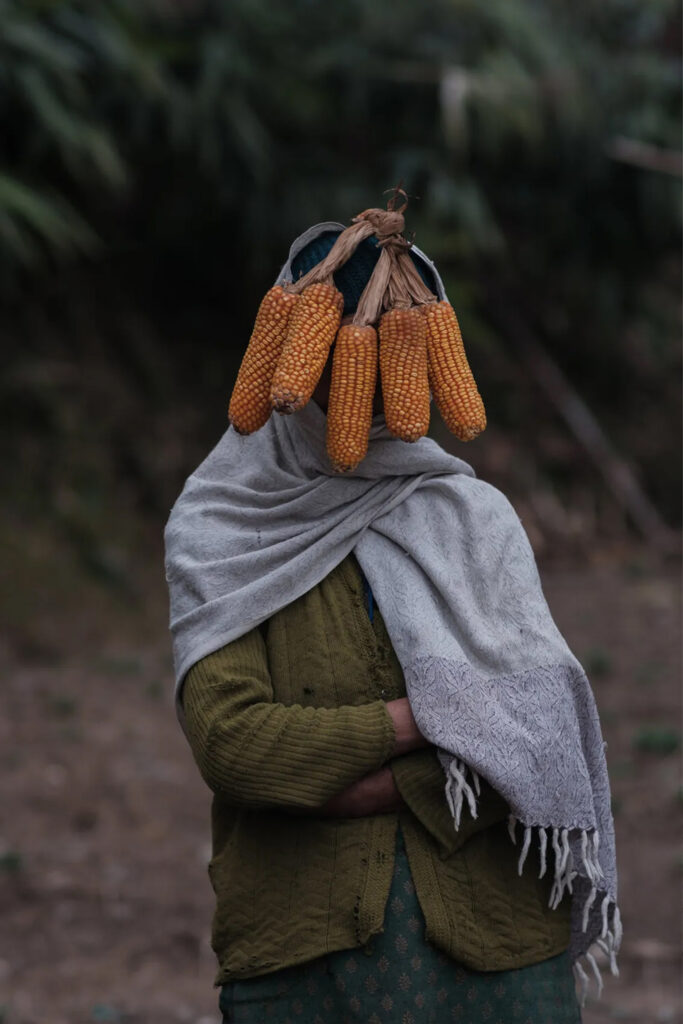
This ethos finds its way in becoming a butterfly, a body of work exploring the lives of farmers navigating climate change in Sikkim—India’s first fully organic state. One encounter, in particular, shaped his work. He recalls meeting Sangey, an organic farmer, who shared the idea behind the project. She disappeared into her kitchen, returning with a mask made of maize. “I feel like a queen now,” she told him. “Come take my picture.” The image, titled makai—the Nepali word for maize—embodies transformation not as something grandiose, but as self-recognition.
Across his travels, Narang has come to understand difference as something that unveils rather than divides. “There is no single ‘right’ way to live,” he says. “More importantly, it has shown me how we are fundamentally the same despite our differences. We all share universal desires, joys, and tragedies—bonds that are far stronger than anything that divides us.” What stays with him are the stories offered freely unfiltered, deeply human. Witnessing people endure hardship amid extraordinary natural beauty, he has come to recognise what he calls “the heroic nature of human resilience”. For him, nothing is more spiritual than this moment—“the world right in front of you”.
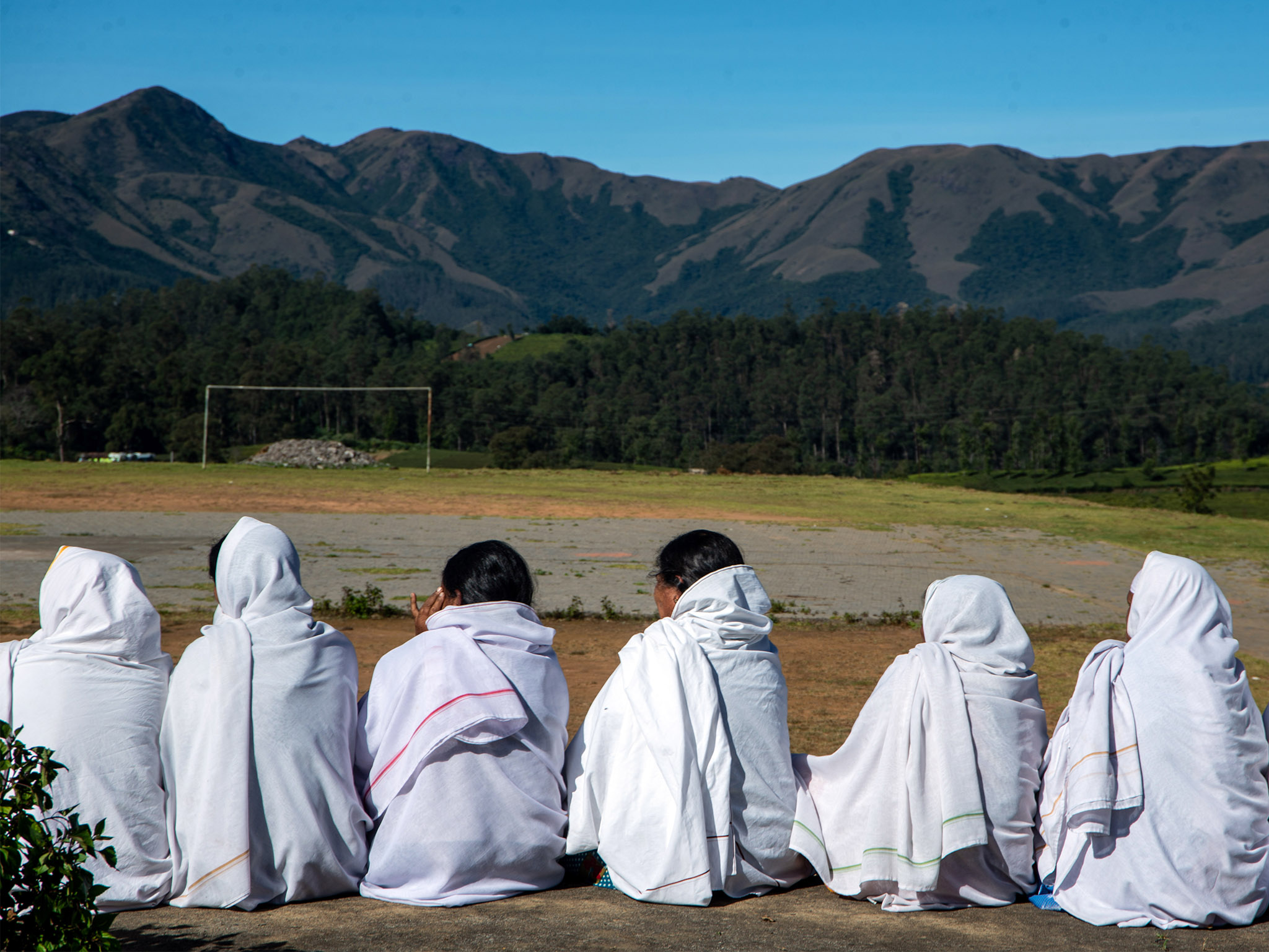
In a city full of widows, Narang turns his attention to women living in Vrindavan, many of whom have been abandoned after the loss of their husbands. He situates their lives against the conflict of a world obsessed with visibility. “We live in a world where social media validation often consumes our mental health; yet, in that same world, these women exist,” he says. Some were brought on pilgrimages by relatives and left behind. Yet what struck him most was not despair. “They haven’t lost their smiles or their wonder for life.” Poise, he believes, emerges through presence—through time spent listening, playing games, watching cartoons, eating, and chanting together.
When asked what he hopes viewers will carry with them after seeing his work, Narang keeps his response simple. “My hope is for the world to become more tolerant and inclusive, especially towards those who seem different.” His hope is for a world that is more inclusive and more open—yet he states his work doesn’t send a moral message. “My work is more about my own self-discovery than a mission to change others.” He leaves space for interpretation, welcoming whatever arises. “Whether they see a serious message or just find it funny, I’m happy either way.”
In the context of the climate crisis and increasing polarisation, Narang believes the role of photography is inseparable from how one chooses to live. “Stories matter more than ever,” he says. He recalls being deeply moved by Ami Vitale at the Photo Vogue Festival, where she referenced Carl Sagan’s Pale Blue Dot—a reminder that while our problems may seem insignificant on a cosmic scale, “every act of compassion and kindness to protect the most vulnerable can make great changes for our planet.” For Narang, this means learning to live “somewhere between the infinite and the intimate”.
Reverence isn’t something he consciously plans; it is woven into his way of working. “The work is always a collaboration,” he reflects. “A shared effort rather than a reflection of myself.” In that shared space—between artist and community, story and listener—his photographs find their quiet strength.
Interview by Virginia Melodia
Virginia Melodia is a storyteller. She tells stories through writing, poetry, photography and video. Her mission is to connect people with nature and our shared humanity. She wants to inspire others to consciously live and remain in the presence. She shares narratives that evoke a deep sense of connection and reverence for our planet and ourselves.
As a creative, Melodia loves shaping experiences that feel alive and draw people in. Growing up between languages and living in different countries opened her eyes to many ways of seeing, and taught her to value the beauty in every culture and viewpoint. She’s passionate in blending visuals and language into stories that speak to the soul. She looks for inspiration in the world as it unfolds around her—the honesty of nature, the intensity of human feeling, and the many layers of everyday life. She believes storytelling can help us understand one another, look inward with courage, and ignite positive change in the world.