When I was little, I loved joining the weekly supermarket run. Sometimes with my father, sometimes with my best friend and her dad. I remember wandering the aisles and the feelings it stirred in me.
A cart towering at my height or above. Endless corridors of colourful packaging. I preferred the supermarket’s abundance over any playroom, many times over. The place was far more stimulating, and my senses never stopped working.
There was also the agreement that came with being allowed to tag along:
“You can choose one sweet.”
One? Why only one? This place was enormous, the possibilities endless. How was it possible that I’d been handed such a cruel sentence?
Only one sweet.
It seemed that in this supermarket, there were no ultimatums or conditions for adults. How easily, in a kind of weightless floating, a product was lifted from the shelf and tossed into the open mouth of the cart. From this objective observation, and understanding my position at the very bottom of the food chain here, there was no reason not to take another sweet and hide it under my dress, in my underwear.
The act came naturally. Without much hesitation. Taking more felt less like stealing and more like the obvious conclusion.
The matter of the checkout seemed fairly peripheral in relation to the small corner it occupied in that infinite hall of products, and the whole business of money wasn’t really to my liking.
I never quite understood how or why to use it. Especially since I’d never had any.
And so, beneath the generous branches of the pine tree in the neighbour’s garden, I could unload the shopping I had done myself at the supermarket.
—–
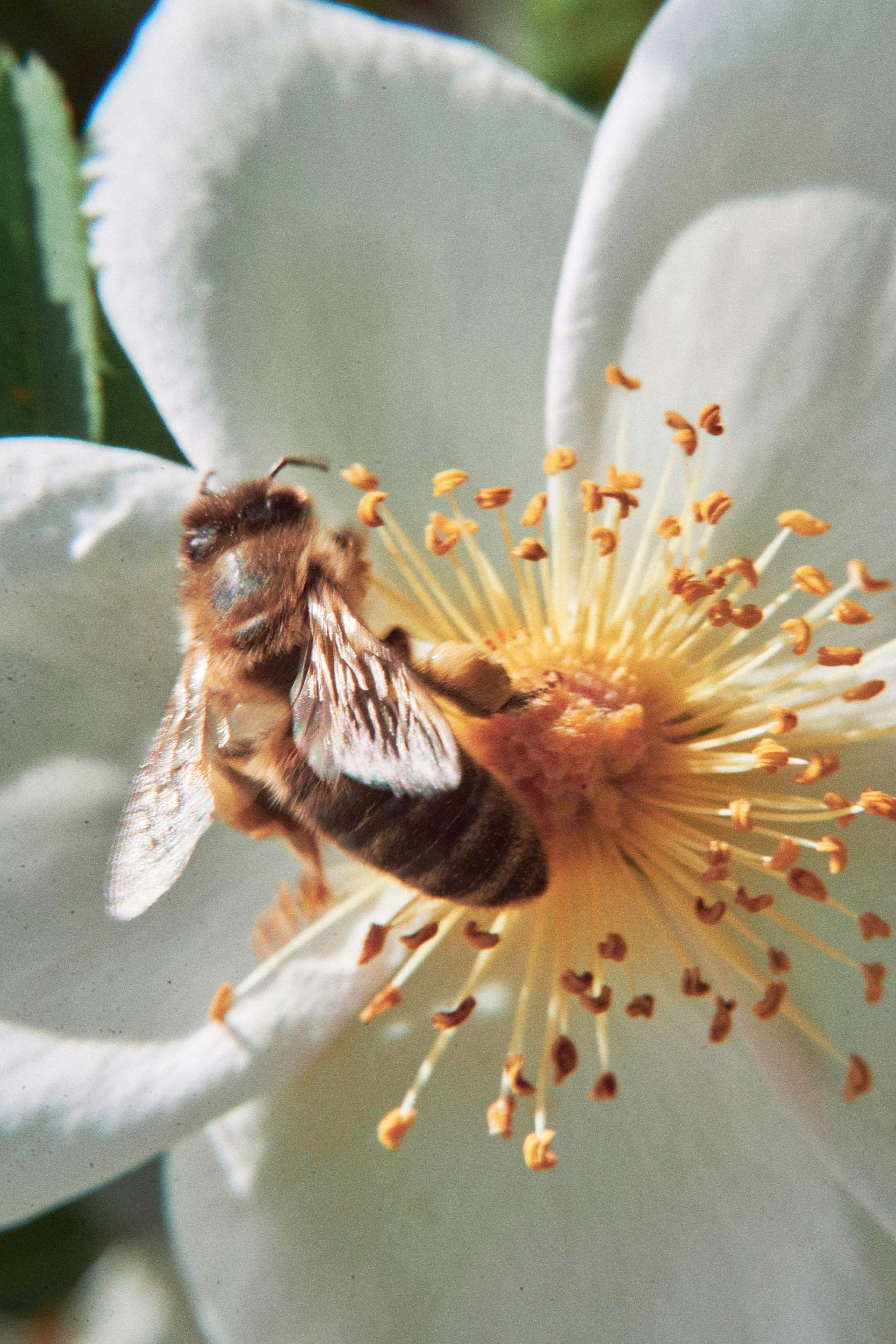
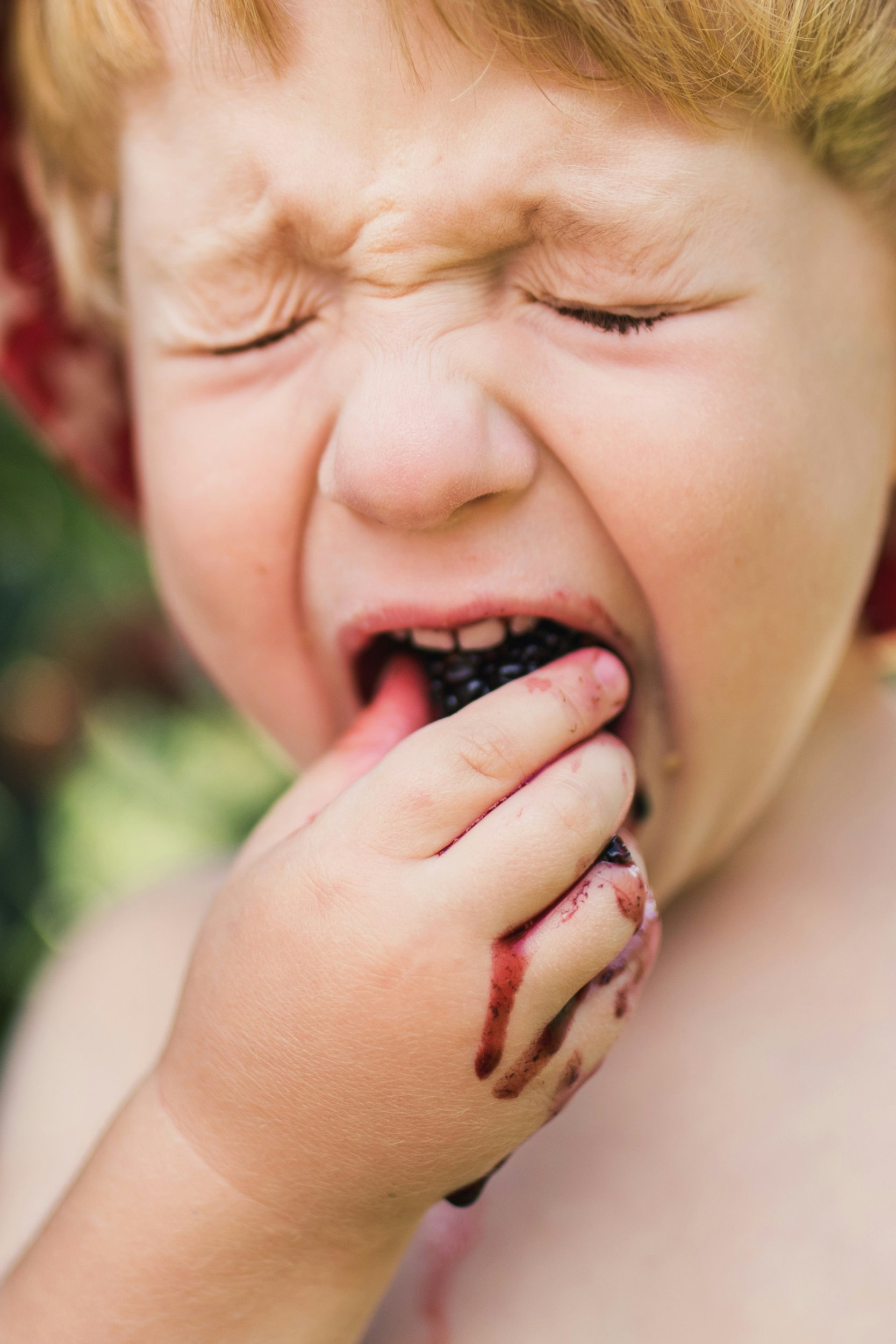
Alongside the pleasure of those supermarket visits, the garden was another place that kept asking to be examined. Though my main idea was potions – grinding petals, collecting stamens, testing nectars – what I actually enjoyed most was simply picking and eating things. I’d wander and gather as much as I wanted, even when I didn’t actually like the taste. On the sweets front, a little creativity was required, so a bowl of white sugar and a few tiny Mallow fruits did the job well enough. I’d pick figs for others because the inside of the fruit looked like worms to me. Sometimes I’d pick far too many, unripe ones too, and then I’d be scolded.
Again, I didn’t understand the stinginess. I was having so much fun picking, and there were so many figs on the tree.
—–
A week ago, as part of my undergraduate degree, a guide took us out on a foraging walk. He explained a few plants and asked that we refrain from using our phones during the outing. He guided us to touch, to observe, to taste. He spoke about the value in bringing a childlike state of mind to foraging, and I immediately understood what he meant, almost offering that we make a potion.
I remembered the feeling that the garden’s colours used to stir. The business of plant identification hadn’t interested me much back then. I didn’t know Latin names existed, and all you had to do was get close, look, touch, pop, crush, smell, crumble. And if it didn’t look like worms, why not taste it too?
During the walk, I felt a small grief. When had I lost the feeling of moving through a garden like a child?
—–
Those supermarket foraging days ended at once, with a jarring tone. My neighbour and I stole a lollipop. From the hiding place in the pine tree, she simply walked back home, raising suspicions that ultimately led to our parents marching us in shame back to the supermarket manager to return the stolen goods from the dress crime. Since then, I haven’t dared steal so much as a stick of gum.
Now I’m trying to remember when I stopped conducting spontaneous research on plants in the garden.
—–
That wordless feeling when a child stands before abundance is magical. Something is comforting in it. The whole question of ownership, of what’s allowed and what isn’t, becomes irrelevant, and an entirely different world opens up: what can I have out of all of this? What could this even become? And what happens if I choose one path over another?
The prices of products in the supermarket are printed on the item, along with its name and packaging, competing with every other package on the shelf while communicating to us all the “benefits” we are entitled to if we choose to purchase.
As we grow up, we begin to understand what each of those prices reflects: that if something has brown colouring and nice graphics of leaves or animals, it’s usually more nutritious than packaging with flames or fonts in yellow.
As we grow up, we also begin to hear many warnings about picking plants. Some are protected and cannot be picked. Some are toxic. We can never know for certain which ones, or which part of the plant is edible. Unlike the supermarket, there are no names on packaging here, and the ingredient list belongs exclusively, sometimes, to a particular plant at particular stages of growth. Here, things are offered for free, but the risk falls on the picker’s expense.
Actually, the contract is more similar in these places, the supermarket and the wild, than we might think. Poisons exist in both. Without prior knowledge and the ability to read what something contains, all we have left is intuition. So yes, the supermarket is a little more organised. Long shelves. Refrigeration systems. An entire ecosystem in service of the retailer and the consumer. In nature, the service is a little more distributed, and the plants do their own marketing using fairly similar techniques: colour, scent, and products with high sugar and energy content.
—–
My childhood wanderings came from a sea of curiosity and playfulness that I still recognise in myself but struggle to cultivate. It wakes in me sometimes when I taste wine, or smell moss, or a blossom. It reassures me, as though someone had prepared something especially for me and all that’s left is to find out what it’s made of.
I am learning and trying to begin to understand the market system in a space where there are no price tags. The growing up that happened to me through supermarket visits didn’t happen the same way in nature. My reward systems with the wild feel more complex somehow, but I still believe they’re flexible. Maybe I just haven’t given this as much time as I have grocery shopping. Or maybe there’s something convenient in letting value shrink down to a number. Either way, I can’t pay wages to the little electrons who work in photosynthesis or start discussing promotions with mycorrhizal fungi. Yet we, mankind, somehow professionalised the recruitment of nature’s biggest and smallest workers, and at the end of the day, we still measure their labour in money. Strange how good we’ve gotten at pricing things. But does that mean we’re any good at knowing what they’re worth?
Then again, groceries can be no less mysterious. Looking behind the scenes and tracing the labor stories of food production often reveals human and non-human workers deprived of any kind of dignified trade. Being exposed to these large-scale parasitic mechanisms, which became the “nature” of the production chain’s ecosystems, is holding me back from returning to that same easy joy of a childlike market’s experience of abundance. Oh, right, and also this whole concept of money in general.
Many believe that reciprocating with the natural environment is an actual possibility. There are ways to make a semi-economic act when making a transaction with a grove or a garden. Not through bills, but through the kind of currency nature itself deals in – which we know less about and do not have economists dealing with, yet investing in it is an action we already do.
I know that many of the fruits I don’t yet know how to pick would actually be glad to be picked. When getting a perfect, sweet bite, one can become a vehicle, carrying seeds somewhere new. It’s a huge job that most apple eaters never signed up for. So I wonder if abundance can still feel like that – open, unscripted, an invitation rather than a transaction. Growing up doesn’t have to mean more limits. It can just make them visible.
Maybe that’s not the worst thing.
Words by Roni Rahat
Roni Rahat is a student at the University of Gastronomic Sciences in Pollenzo, Italy. Food and writing about food are her way of looking at relationships — between people, between ingredients, between places, and the cultures that grow from them. She is drawn to mystery and new ways of understanding.