Who Controls the Narrative? Media, Archives, and the Politics of Liberation | Céline Semaan
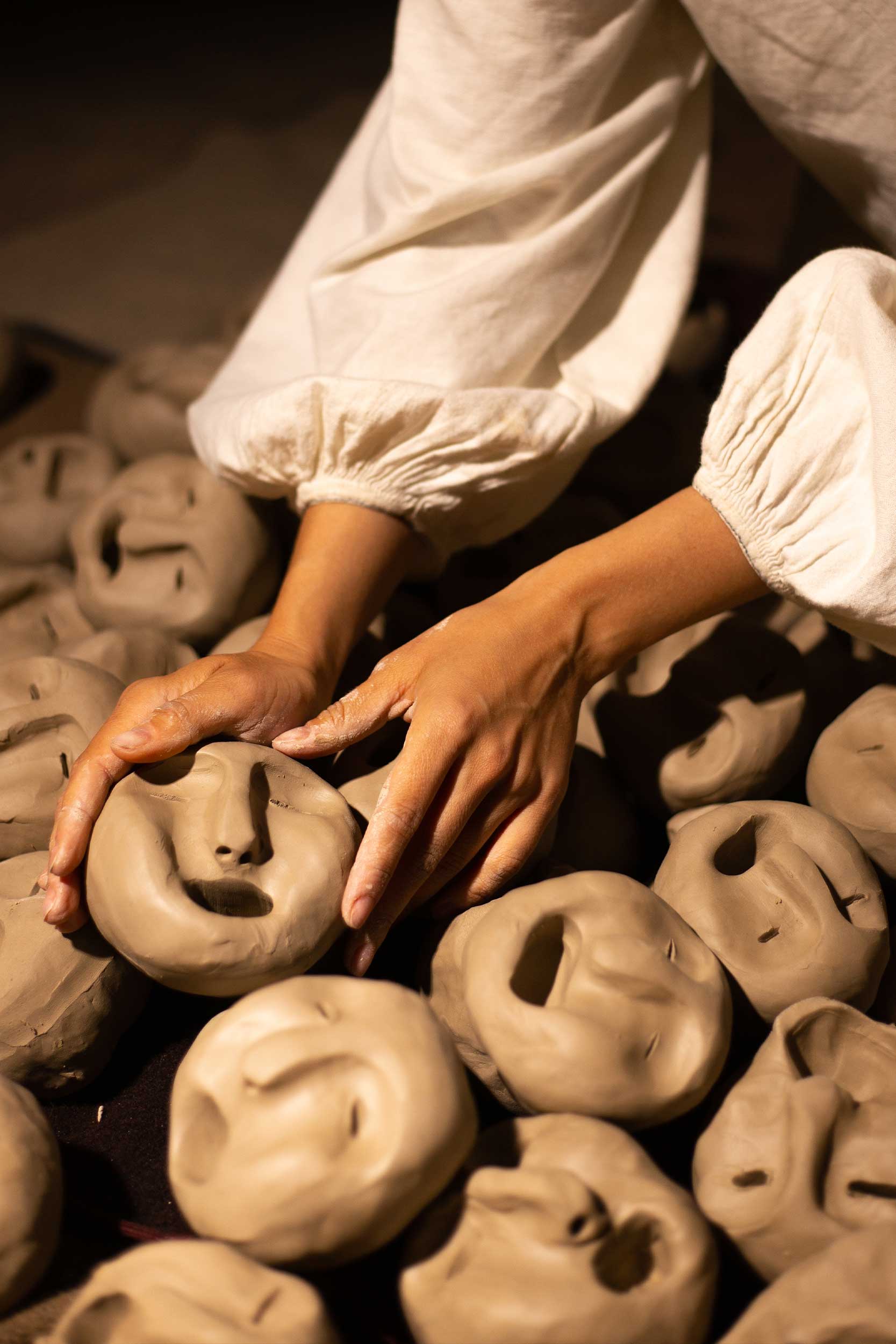
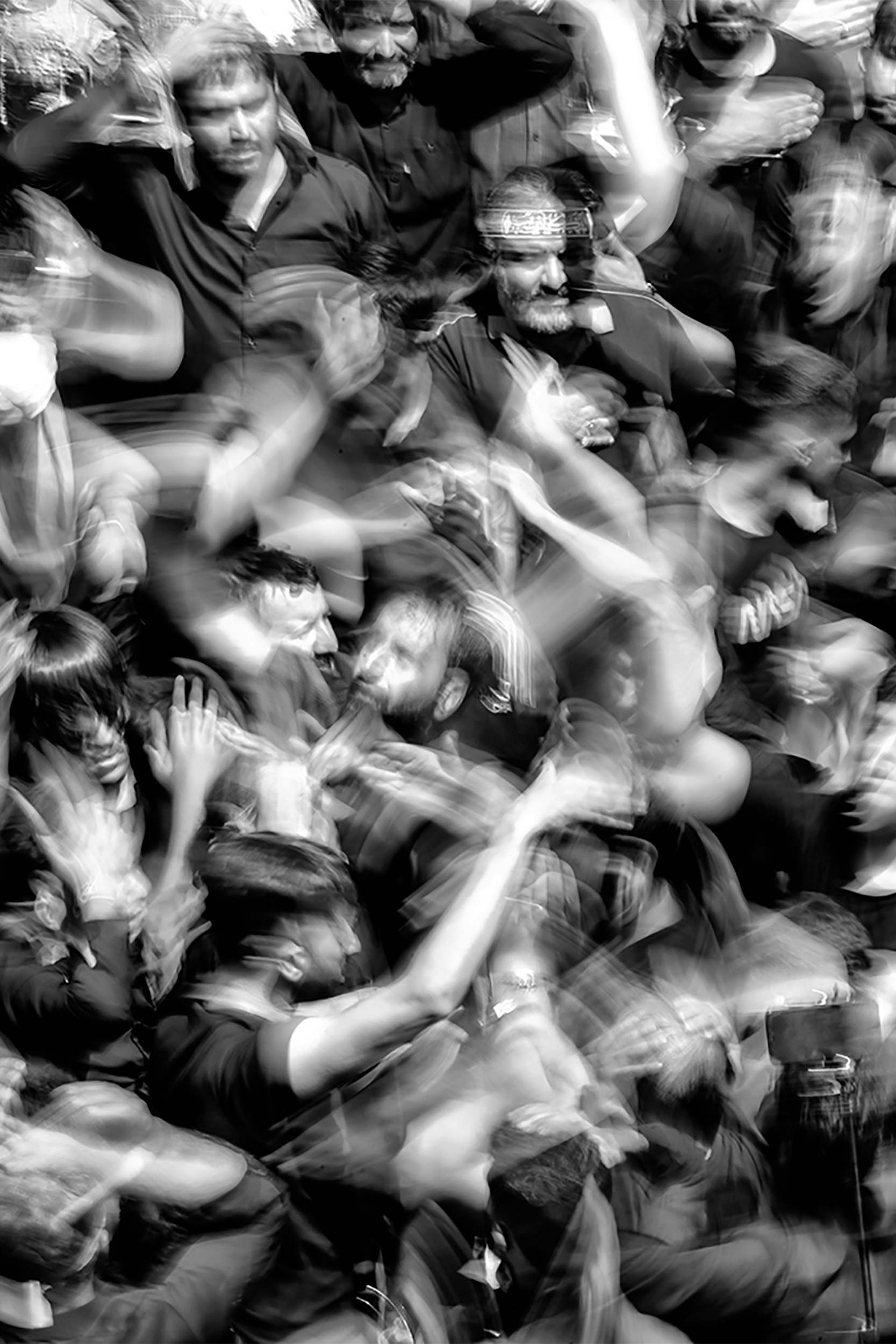
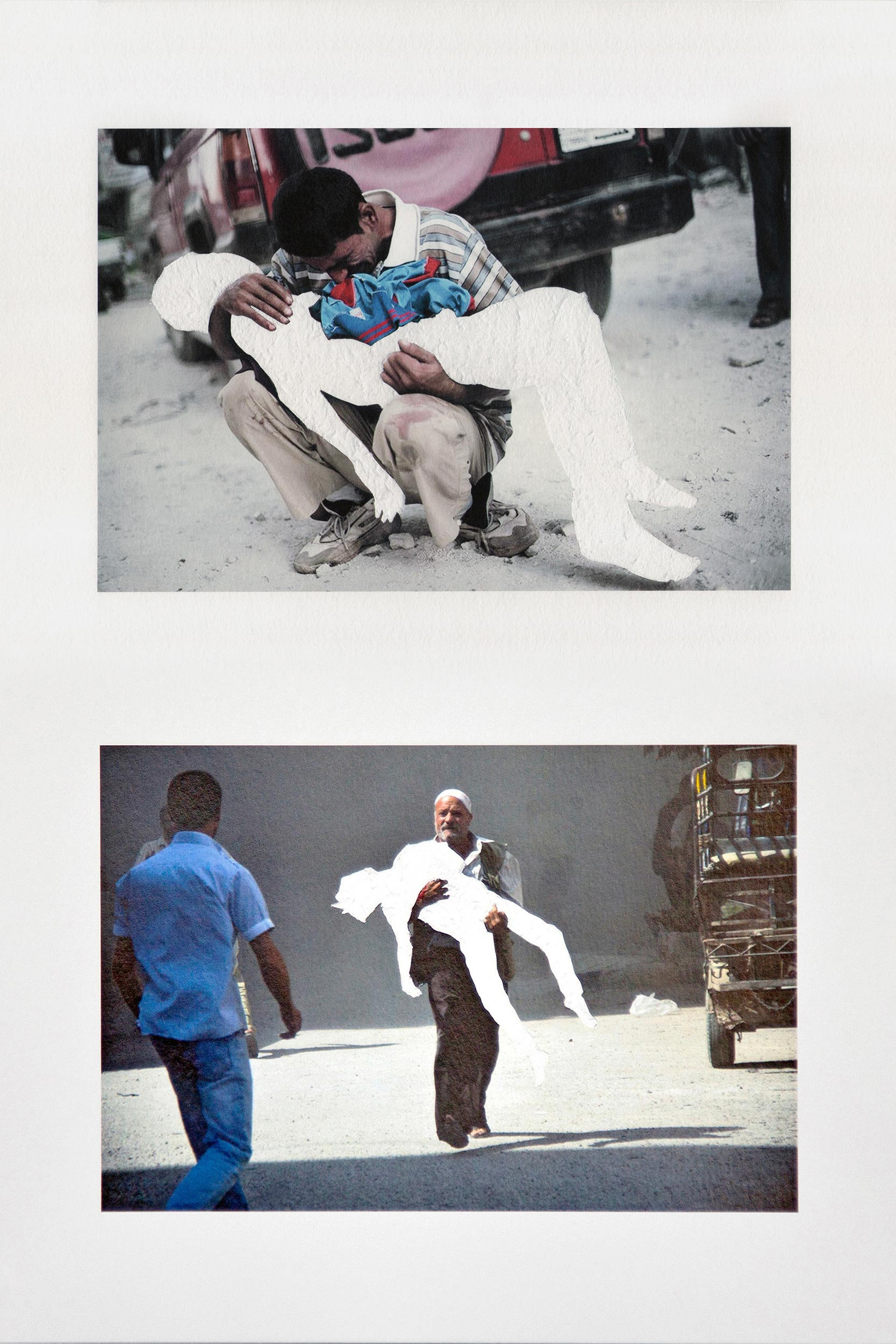
This interview is part of Documenting Conflict, a series that explores the ways in which conflict is documented and how who gets to document it shapes how we remember, interpret, and understand it. Documentation extends beyond journalists and historians, spilling into studios, workshops, galleries, and public spaces.

This series of interviews with artists will provide a critique on how truth is constructed and what it means to witness in an era of mass media. Trace how creativity and care intersect with the recording of conflict, turning trauma and societal fracture into forms of reflection and dialogue.

Rethinking how conflict is documented means placing empathy and witness at the centre. It is about uncovering what is often silenced and shaping memory in ways that go beyond mere collection, inviting dialogue, reflection, and understanding.
These platforms that we are in are designed to keep the narrative controlled; they’re not designed for collective liberation. They are designed for capitalism, for capitalising on your attention, on your clicks, on your screen time; the more time you spend on there, the more money they make. Meta and X are owned by billionaires who are benefiting from a system that is designed to oppress, steal, dominate, hoard, extract, and manufacture consent for genocide.
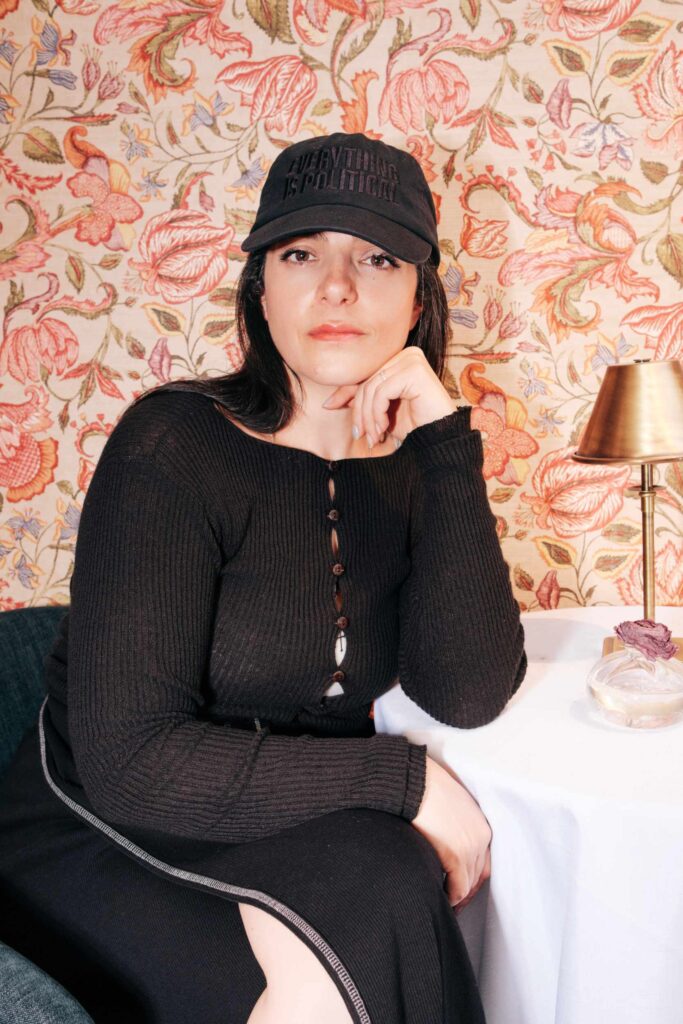
Céline Semaan
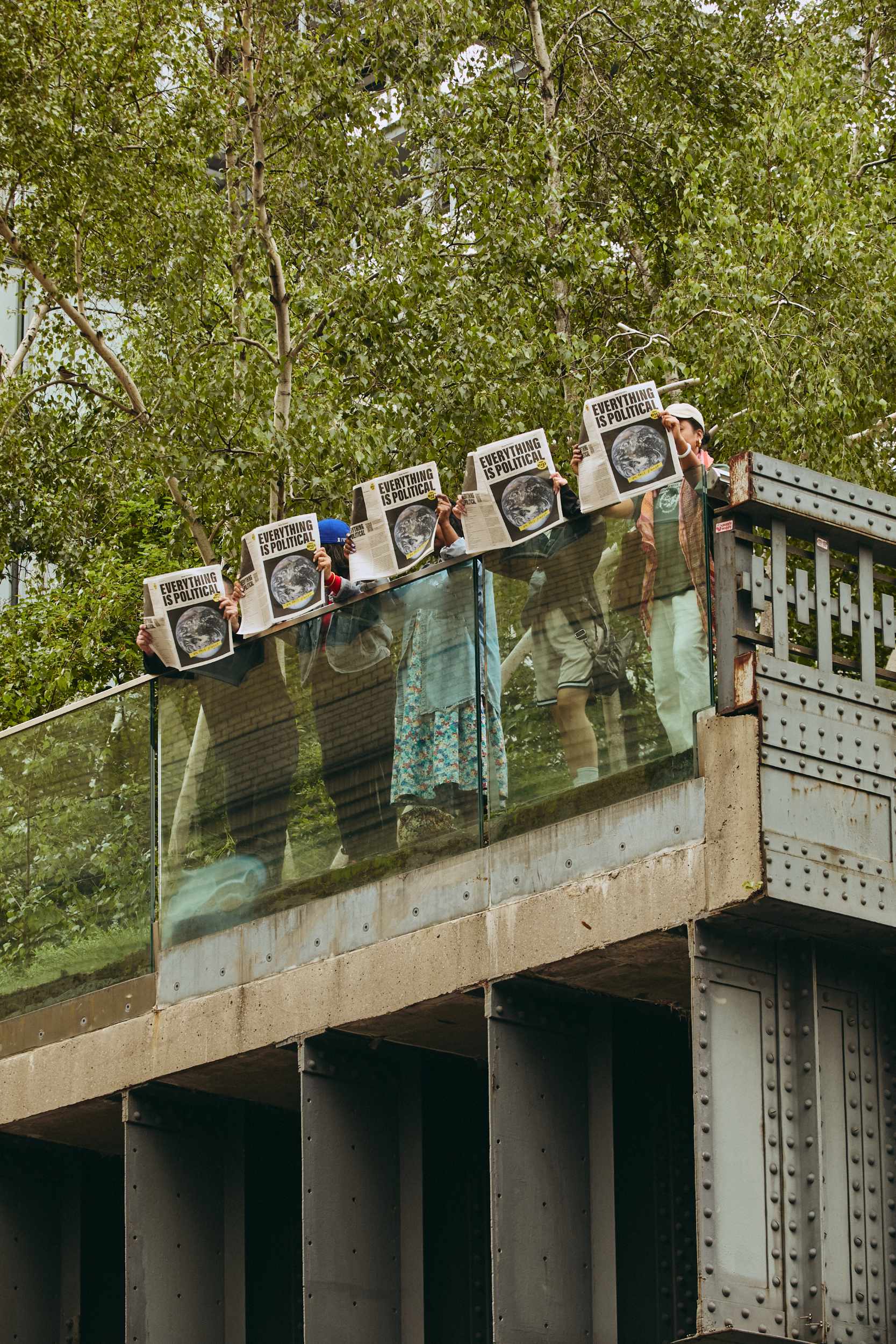
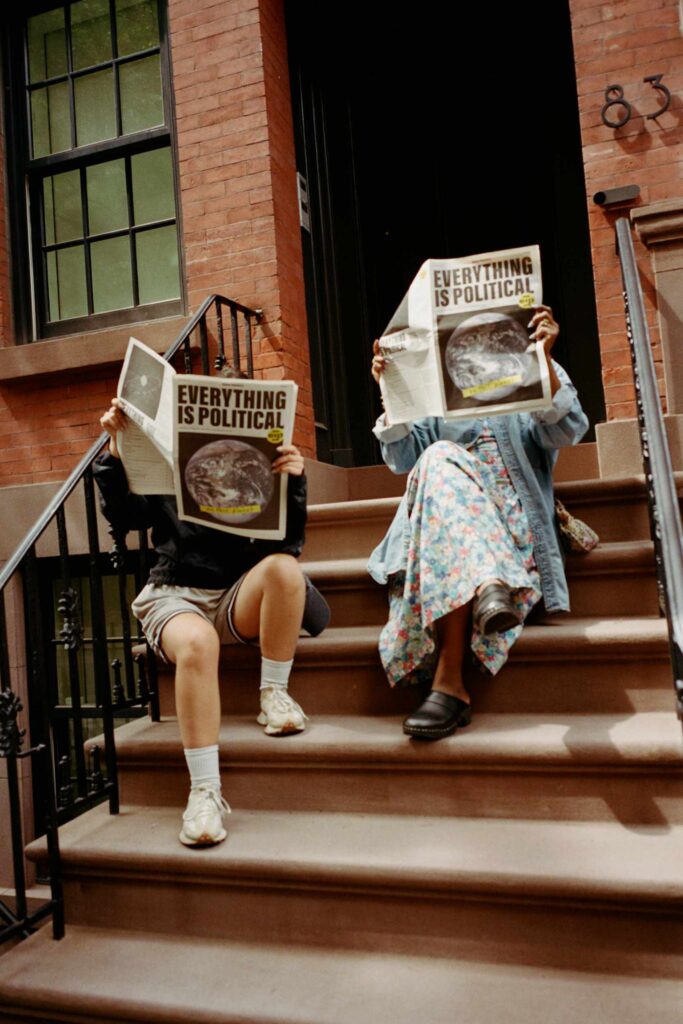
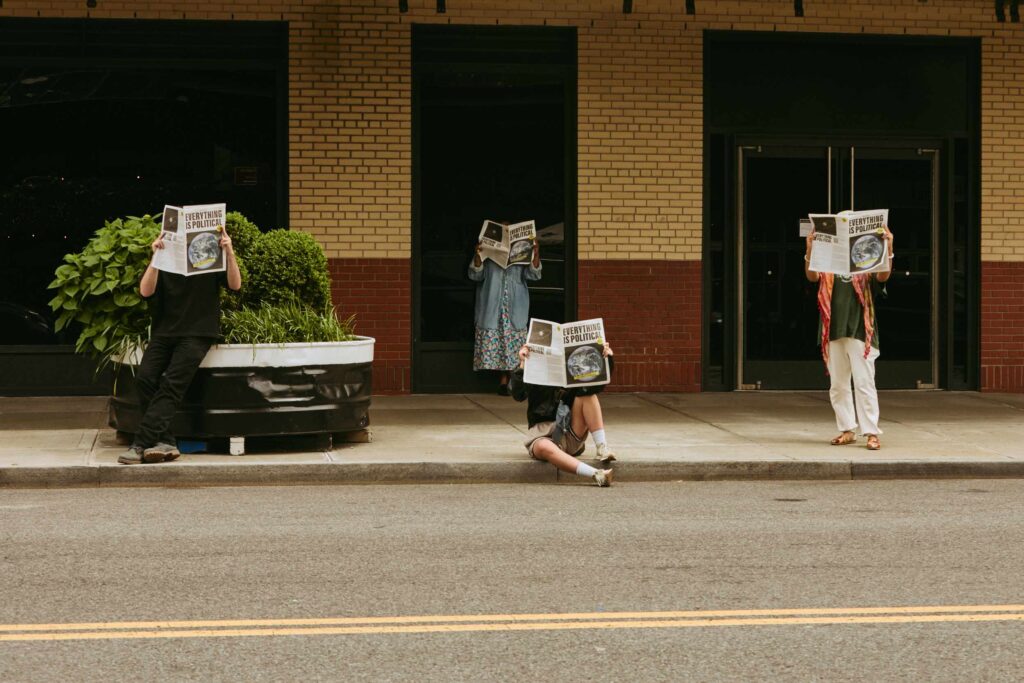
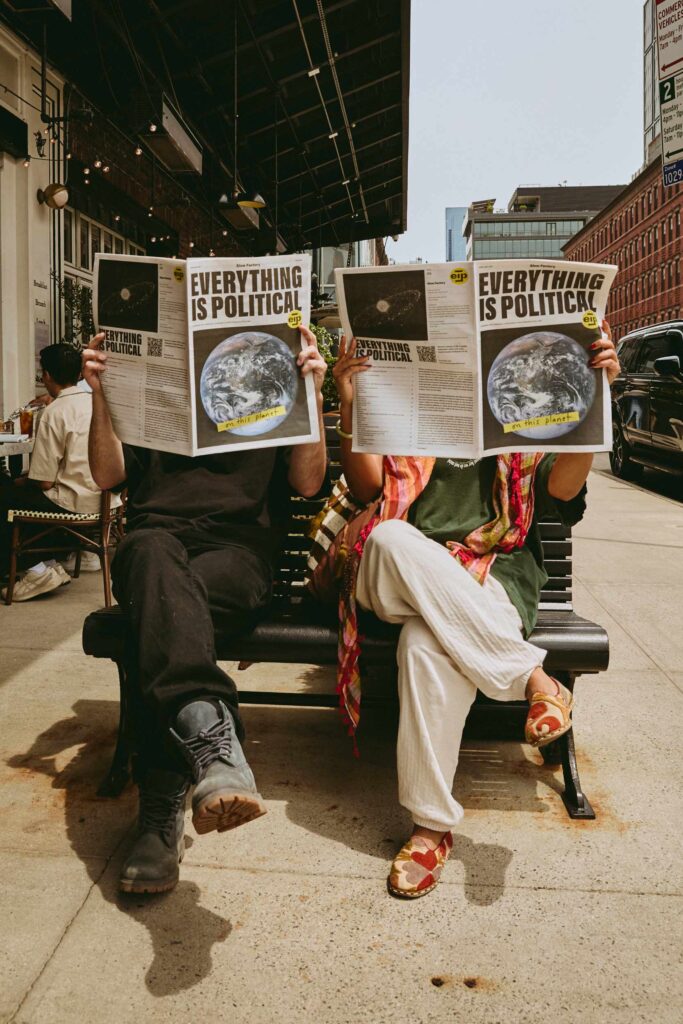
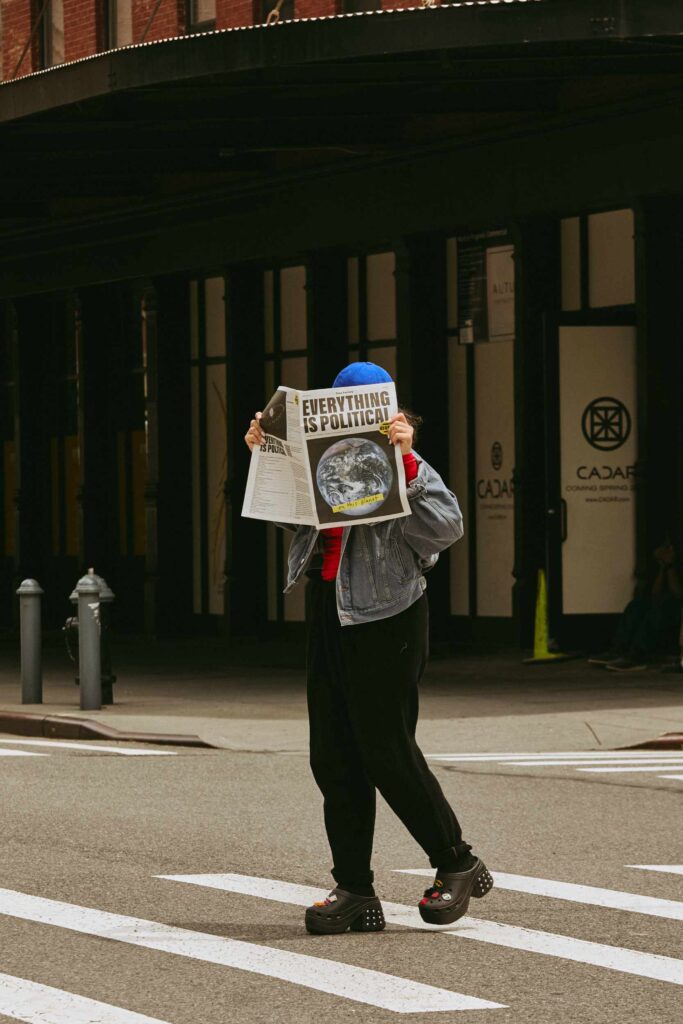
Lebanese-Canadian researcher, educator, author, and designer Céline Semaan imagines and designs possible futures for collective liberation. She is the co-founder and executive director of Slow Factory, a non-profit research and knowledge lab that focuses on climate justice, human rights, and open-source education. The independent media platform Everything is Political, created by the Slow Factory Foundation, challenges the censorship in mass media that purposefully evades linking climate justice, human rights, environmental racism, and colonialism to news about global and local conflicts and crises.
Anna Borrie: You have recently been back in Lebanon. How do you think independent media really challenges how knowledge is produced and shared?
Céline Semaan: Yes, I often go to Lebanon. My family is there, and every time that I go there, I plant the seed of one day going back and living there because that’s my goal. The role of independent media, like Everything is Political, is part of a response against censorship, against a global censorship coming from mainstream media that alter, censor, erase, ignore, brush under the carpet some of the narratives that would otherwise contradict the dominant narrative of oppression and colonialism.
They offer another perspective, countering censorship, another way to archive the act of witnessing what is happening on the ground that otherwise would not even be archived or recorded, even accounted for.
Anna: Everything Is Political is grounded in the premise that culture is never neutral. What changes when politics are documented through culture – through fashion, language, and everyday life – rather than through traditional journalism or formal archives?
Céline: Formal archives are often led by the dominant culture in a society. That means it often comes from a perspective that isn’t necessarily inclusive. What is defined as worthy of entering an archive? This depends on who is the curator, the gatekeeper of these spaces that are acting as libraries for the future, recording work that is worthy of being saved. Archives ultimately are colonial forms of preserving culture, because by default they aren’t including everybody’s culture; they’re not including a pluralistic perspective. Counter-archive movements like the Slow Factory, Everything is Political, and other archives around the world, what they tend to want to do is to protect documents that are witnessing resistance, that are witnessing resilience, that are witnessing survival, that are witnessing another form of culture happening against an oppressive system that is designed to normalise violence and designed to subjugate others.
Anna: Capitalism shapes what stories get told and what futures seem possible. Can justice truly exist within such a system, or does it require us to stop seeing extraction, ownership, and competition as inevitable?
Céline: Exactly. We could self-censor and erase ourselves and abide by the dominant framework and culture and system, but many of us find it important not to, to resist with cultural freedom.
Anna: What voices, ways of knowing, or forms of knowledge do you most intentionally try to carry forward through your work?
Céline: I think that a lot of people are archiving their work and working in the preservation and stewardship of traditional wisdom-keepers. There are so many of us; it’s not that Slow Factory is the first or only, it’s just that we have popularised the concept. Before we had the big reach, we existed just like everybody else on the fringes of mainstream culture. We began documenting, sharing stories and knowledge and information that would otherwise be left on the fringes or purposefully erased. We’re not the only people doing stewardship of knowledge and culture, but we are doing it in a way that’s accessible, that’s inclusive, and that has eventually reached a lot of people. When we started we had one follower, just like anyone else saying something. It’s been a lot of work: Slow Factory has been online for over a decade, a time of consistent work of designing information that would otherwise be deemed complex or complicated – making it accessible, using a design language that we’ve developed to be of service for the knowledge.
Anna: Slow Factory’s Open Edu isn´t just about availability to information; it is also about who gets to shape meaning. How does this redefine what education is and who it is for?
Céline: Slow Factory started as an art experiment of using design as a way to change systems, by sharing knowledge and breaking barriers for the majority of people to understand how systems work, because ultimately systems are invisible. We started to create a form of a language that made the system very clear; you could see or understand whether or not you were facing these types of discrimination or injustices. The goal was to gather solidarity towards people who are facing injustice that is not coming from a place of charity and pity, but it’s coming from a place of knowledge and solidarity and equity.
Most of the time before the Slow Factory existed, the type of work that was around justice was either around poverty porn or using other people’s misfortune, as a driver for people to either donate or to care. It wasn’t talking about the system in place, or the situation, or why this part of the world is being starved, or why this part of the world has no water.
Our contribution was to lift the veil over the system that is designed in this way, that is operating as it was intended. The injustices are systemic. What does it mean when they are systemic, and how could we mobilise to dismantle these oppressions?
In 2020 it became very popular, the work started to blossom and there were so many other accounts that borrowed from the visual language and words that we had created. This was years of academic research and translating really complex ideas into a language that was accessible. There was a big popularisation of sentences like ‘dismantling oppressive systems’. It became something that everybody and their mothers were talking about.
My partner who is a musician keeps reminding me that the people who invented techno music are Black folks in Detroit. When techno music became something that white folks started to use all around the world, they forgot where it came from. Once you start a movement, a new genre, it’s just part of the world that it’s going to be known and appropriated. I see a lot of our work being replicated. Some of it is good because it feels like we’re part of a larger ecosystem creating an echo, and on the other part, it’s also diluting the message. Often we don’t even know how we’re going to reach these lofty goals. What we’ve been working on at the Slow Factory and Everything is Political is building a framework, not just talking about it. Things take time; that’s why it’s called Slow Factory. It took us 10 years to reach mainstream.
Anna: Using a platform like Meta, you’re working on a platform that wants to censor the things you’re saying.
Céline: These platforms that we are in are designed to keep the narrative controlled; they’re not designed for collective liberation. They are designed for capitalism, for capitalising on your attention, on your clicks, on your screen time; the more time you spend on there, the more money they make. Meta and X are owned by billionaires who are benefiting from a system that is designed to oppress, steal, dominate, hoard, extract, and manufacture consent for genocide. This is all by design; it’s all working perfectly as it was created.
Anna: What kinds of futures become imaginable when knowledge is produced collectively rather than institutionally?
Céline: That’s a beautiful question. It’s also the topic of my next book called Designing Possible Futures. I’m in the process of writing it at the moment. The work of radical imagination is something that we are deeply focused on at Slow Factory. It’s also the topic of my PhD focusing on traditional wisdom. Looking back to understand the future, looking back at our Indigenous wisdom and reconnecting with it across the world, is something that needs to be repaired.
We are living in the limited imagination of a Euro-centric, male-dominated, patriarchal world, and that kind of imagination is very limited by nature because it is not taking into account the more-than-human world. It’s taking into account a small minority whose goal is to dominate the world, designing for domination and subjugation. A society obsessed with control – that fears life, fears nature, wants to dominate all of the above – that kind of imagination is prone to be vulnerable to catastrophic thinking, catastrophic design.
I’m writing a book, Designing Possible Futures, because it’s not just a crisis of imagination; it’s a design flaw. In the book, I talk about plurality and pluralism and the idea that if we want to counter this monoculture across all fields – from science to agriculture to entertainment – we need plurality, we need diversity.
.
Interview and Introduction by Anna Borrie
Anna Borrie is Associate Editor at Planted Journal, where she explores the intersections between ecology, art, and storytelling. Her work is rooted in a creating meaningful connections between people and their environments. She runs a community garden in Madrid, where she cultivates both plants and relationships with fellow gardeners. Her interests lie in creating collaborative environmental art and promoting zero-waste practices, seeking ways to harmonise creativity with environmental responsibility.