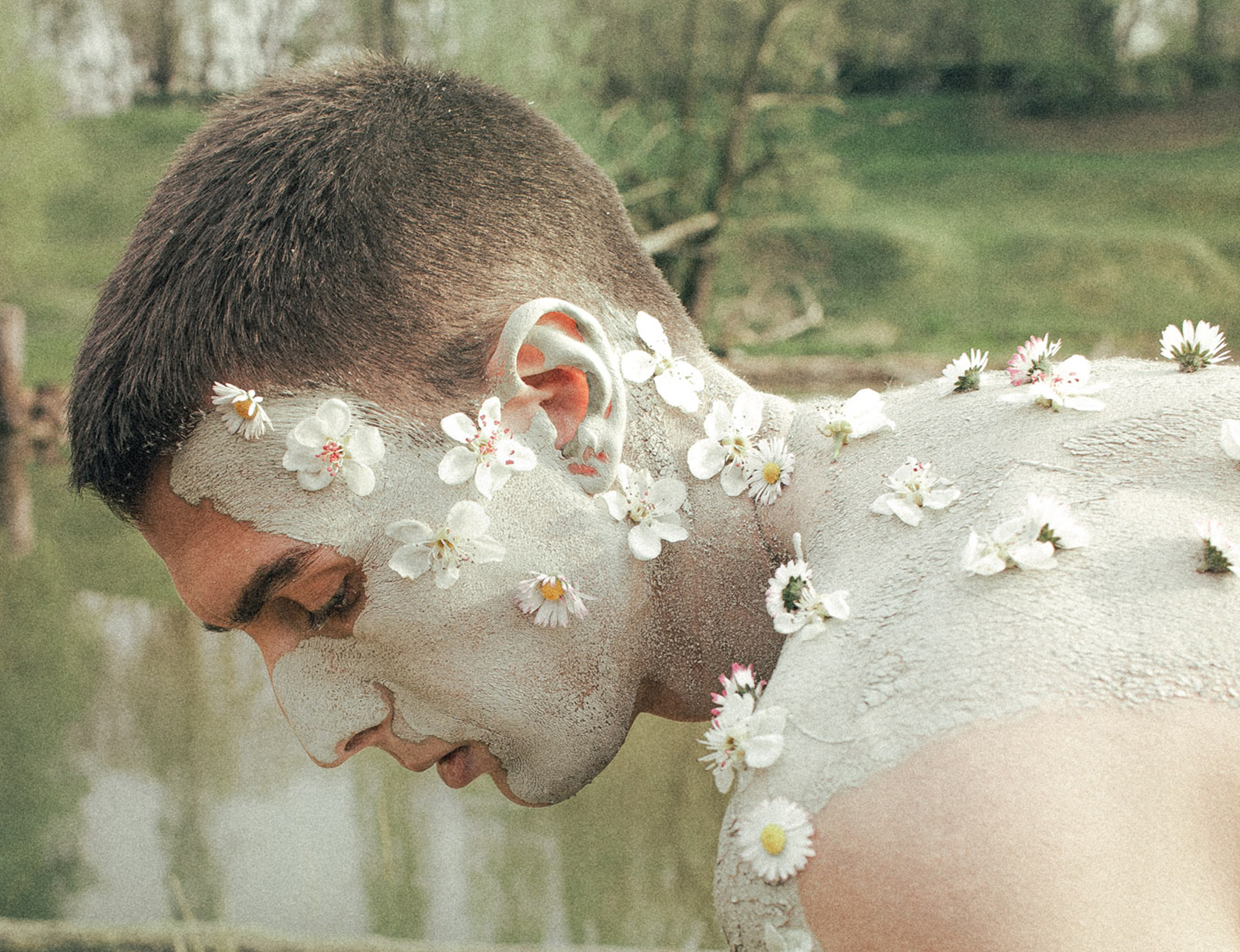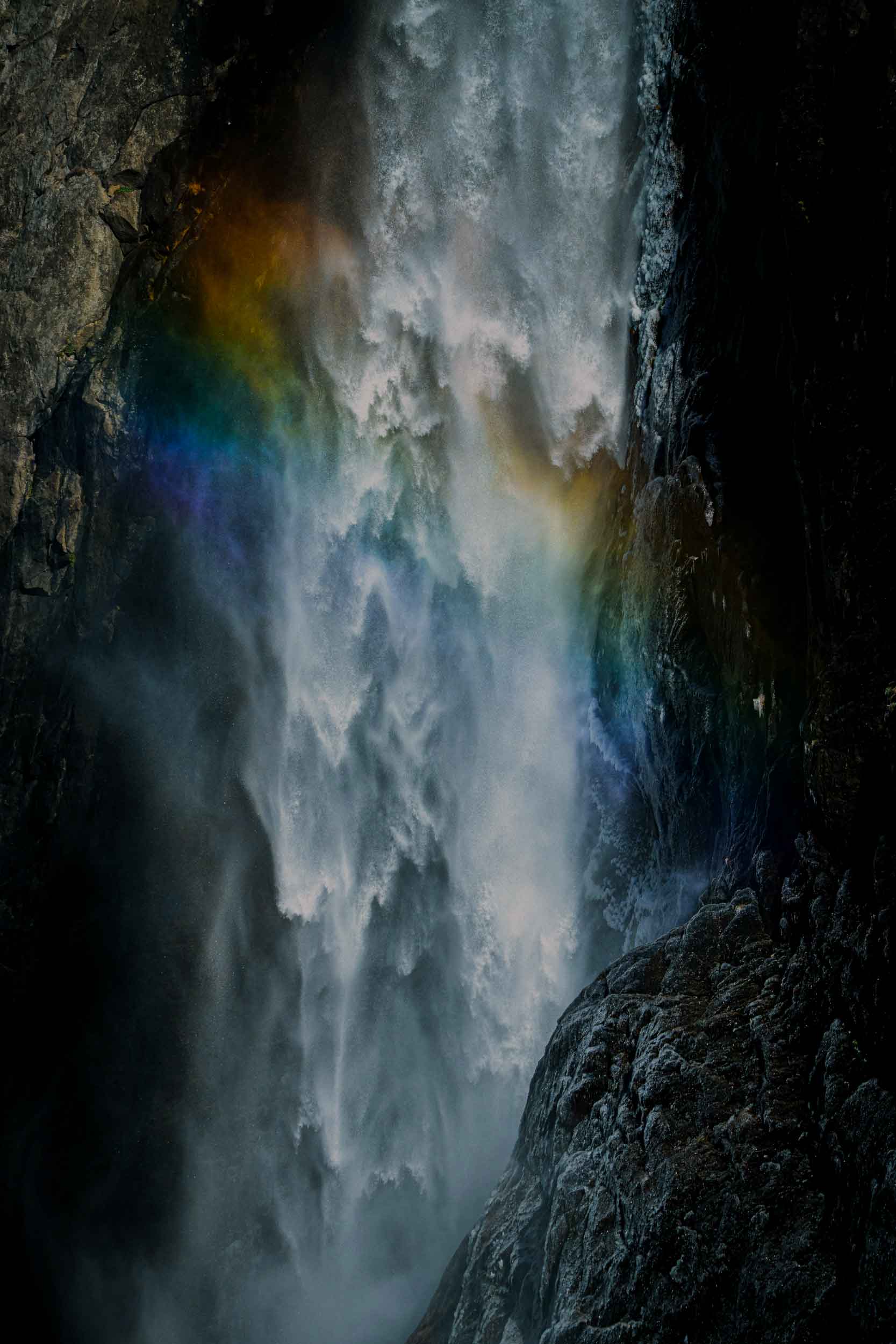
A stream of consciousness flows from the Earth, quenching the thirst of material and immaterial worlds. In constant flux, it permeates a mother’s womb, a buried seed, a bird’s song, and a breaking storm.
The word “consciousness” comes from the Latin “conscius” (con – “together” and scio – “to know”) and it meant “knowing with” or “having joint or common knowledge with another”. The origin of “conscious” could be traced back to “syneidesis”, a Greek word used as early as the 5th century B.C. that translated into “conscience”; the basic meaning is “shared knowledge”.
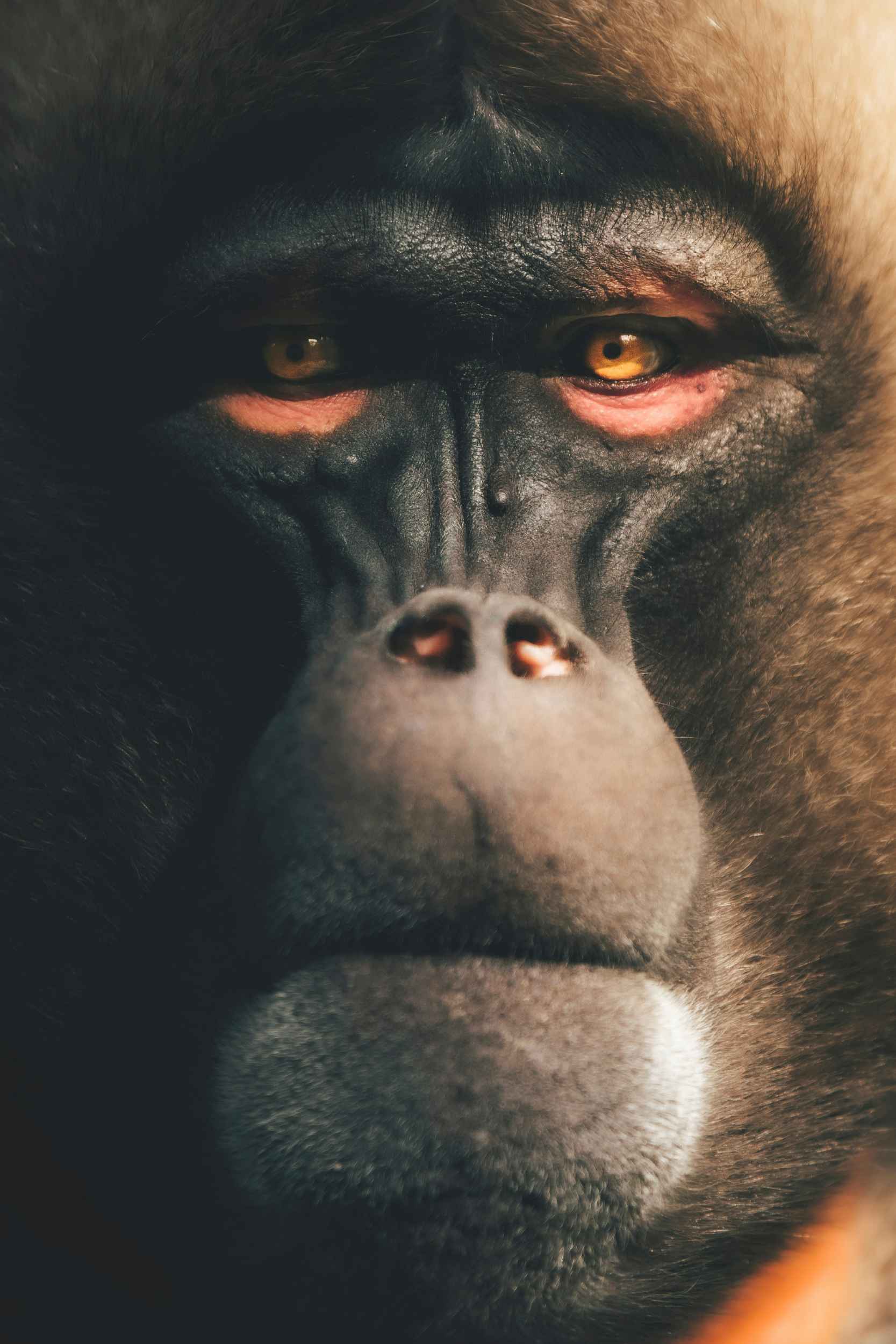
Consciousness is a state in which the being is aware of the external world in relation to itself and the other. Here self, seasons and cycles connect, passing knowledge from one life to another; each organism follows this rhythm, contemplating the inner and outer worlds through its own intelligence. Yet in the ancient Western philosophical context, consciousness was perceived as a human faculty; the trees, the plants, and the animals were passive entities, mostly devoid of rich experience and complexity. What are the roots of these beliefs? What if the idea of complex human consciousness doesn’t only justify extraction but also shapes the capitalist ideology of self-interest? When and where did our consciousness become separated from the rest of the natural world?
In ancient Greece, Plato described the psyche (soul) as immaterial and the body as a prison that obscures reality from the conscious mind through desires and sensations. In his view, humans were reincarnated as animals if they ‘fell’ or lacked virtue. Within this dualistic philosophy, where the body is a prison and animals are born from the weakness of human character, is a scar that separates the human body from the body of the Earth.
In the 17th century, amid European colonial expansion, the Western discourse on consciousness was being transformed by René Descartes; the dualism of mind and matter was shaped further. For Descartes, reality existed in two realms, material res extensa (extended things) and res cogitans (mental things). While humans possessed res cogitans, all the other beings were extended material substance, devoid of soul and mind. His philosophy laid the groundwork from which the conquered people and the natural world became the material to be extracted by the (human) mental things. In the words of Vandana Shiva, “The Cartesian separation of mind and matter has allowed the domination and exploitation of nature.” The hallucinatory self-centredness of systemic capitalism continues to reflect this ideology. “I think, therefore I am,” wrote Descartes, but he thought alone, at the false pinnacle of human superiority, in exclusion from the outer world or extended things.
The inner meaning and experiences are still an enigma. In 1995, David Chalmers speculated on the “hard problem of consciousness”, questioning how brain processes give meaning to the inner experience or qualia. Even though neuroscience could increasingly map the neural activity and the conscious state, the ‘why’ of the experience couldn’t be explained. In search of deeper origins, Natalie Lawrence invites us to look beyond the “brain-centrism” of conscious experience. Researchers are acknowledging that the individual subjective experience is a must for survival across the tree of life; organisms exhibit different kinds of minds, including plants and fungi that lack neuronal systems.
What if consciousness is rooted in shared relations? As the flowers must bloom when the pollinators arrive and birds must migrate to nourish the nestlings when the land is abundant. If the consciousness of the plant world is separated from the pollinators, then how will life be sustained? If the land is barren when the birds arrive, how will the hatchling carry the songs? If one consciousness falls apart from the cycles of nature, the forms of life change, either through adaptation or extinction.
Human consciousness is still implanted in the natural world; with every breath, we embody nature, even when its intelligence is questioned or even denied. How can one neglect and abandon the self? Our consciousness is older than humanity; its origin is resting in the blade of grass, in the bursting flowers, in fireflies’ fleeting dance, and in the darkness of an ancestral womb, where knowledge was shared through blood and bones before the first humans walked the Earth.