

The Season of Heatwaves: Life in a Changing Climate
In early May there are rivers in the sky, while I push the roots of tomato plants deep into the soil. A neighbouring gardener comments that maybe I’ve planted too soon, quoting an old Spanish refrán, “Hasta el cuarenta de mayo no te quites el sayo” (don’t remove your shawl until the 40th of May) carrying a simple warning – don’t trust the seasons too early. A proverb built on lived uncertainty, an acknowledgement that weather does not always follow calendars. Though short-term variability is now a structural shift in how seasons behave.
Seasons are no longer stable reference points, as they stretch, compress, and blur into one another. Climate change disrupts the seasons’ reliable cycles, heat arriving too early or too late, shifting natural biological rhythms out of sync. It is no wonder that it disorientates our work schedules and sleep patterns, as we struggle to adapt to unstable conditions. Our lived experiences of summer do not align with the inherited ideal of it, or the romanticised version.
In the middle of June heatwaves, I find myself stretched across a sofa, a fan whirring in my ear, talking to friends in similar states of suspension. One says dryly, now we know how you feel, as London tips into mid-thirty-degree temperatures and where ironically the event Extreme Heat: Improving governance and strengthening action around the world was cancelled due to extreme heat. Another friend mentions how they have been tracing an unconscious response to a warming European continent by choosing coolcations, migrating north each summer.
A decade ago, my own unease about summer, its heaviness and ominous approach in May, was dismissed as an exaggeration. Though this year I hear fragments of the same sentiment everywhere, in queues, in overheard conversations, and in casual admissions that people used to like summer, and now they don’t. Something has shifted in the emotional register of the season itself. The artificial sun and atmospheric haze that Olaf Eliasson installed in the Tate Modern in 2003 reflected how the climate profoundly affects our emotions, perception, and behaviour, even when it’s constructed and artificial. Heat is never simply a physical condition; it is psychological, social, and cultural. This is echoed in the words of Abdul Khaliq, a farmer in the Dadu District of Pakistan where temperatures now reach 51 degrees celsius. “It feels as though the Sun has come down closer to Earth”.
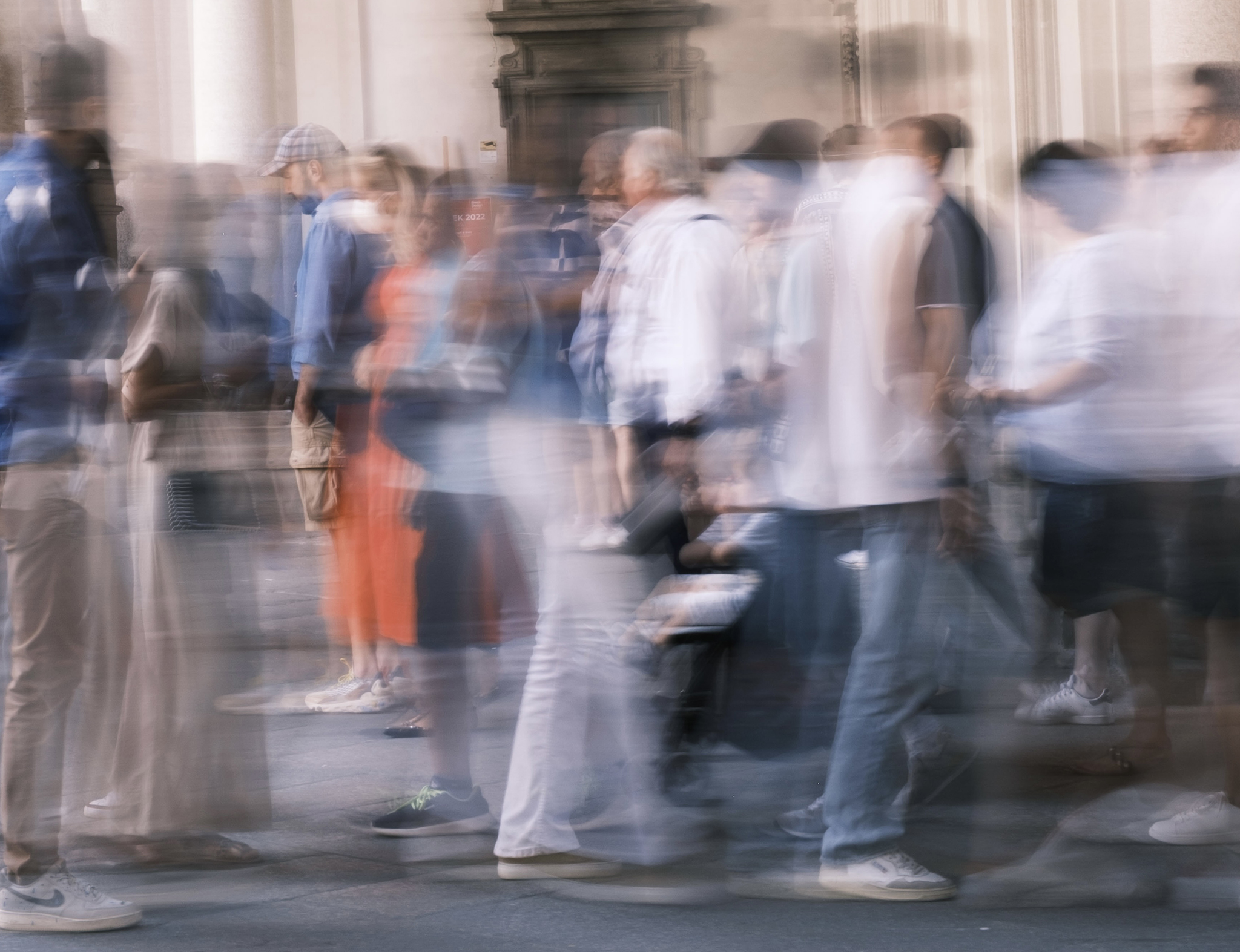
It is not only that summers are hotter; it is more that high temperatures are not a single event; instead they settle, stretching languidly over consecutive weeks. The urban landscapes we live in absorb it, hold it and don’t easily release it, creating urban heat islands. Heat is embedded in infrastructure, media, and everyday life rather than existing as isolated natural events. Photographer Hito Steyerl’s work reflects this.
Unprecedented temperatures have become routine, and so has the inequality that they bring. While extreme heat is now reshaping everyday life across Europe, it has long been a lived reality for many communities; Pakistan, India, and Bangladesh have endured temperatures that regularly exceed the limits of human comfort. Having access to infrastructures such as electricity, water, and housing assists in making extreme heat survivable.
Extreme heat is also reorganising ecological systems as plants and animals are forced to adapt, migrate, or fail in the new climate conditions. Though digging further underground, panting, sleeping, and heat dumping are just temporary measures that mammals and insects use to regulate their body temperatures. In the plant kingdom, adaptation occurs by closing the pores of leaves to reduce transpiration and developing deeper root systems, while some shift their growing cycles and produce proteins for heat tolerance.
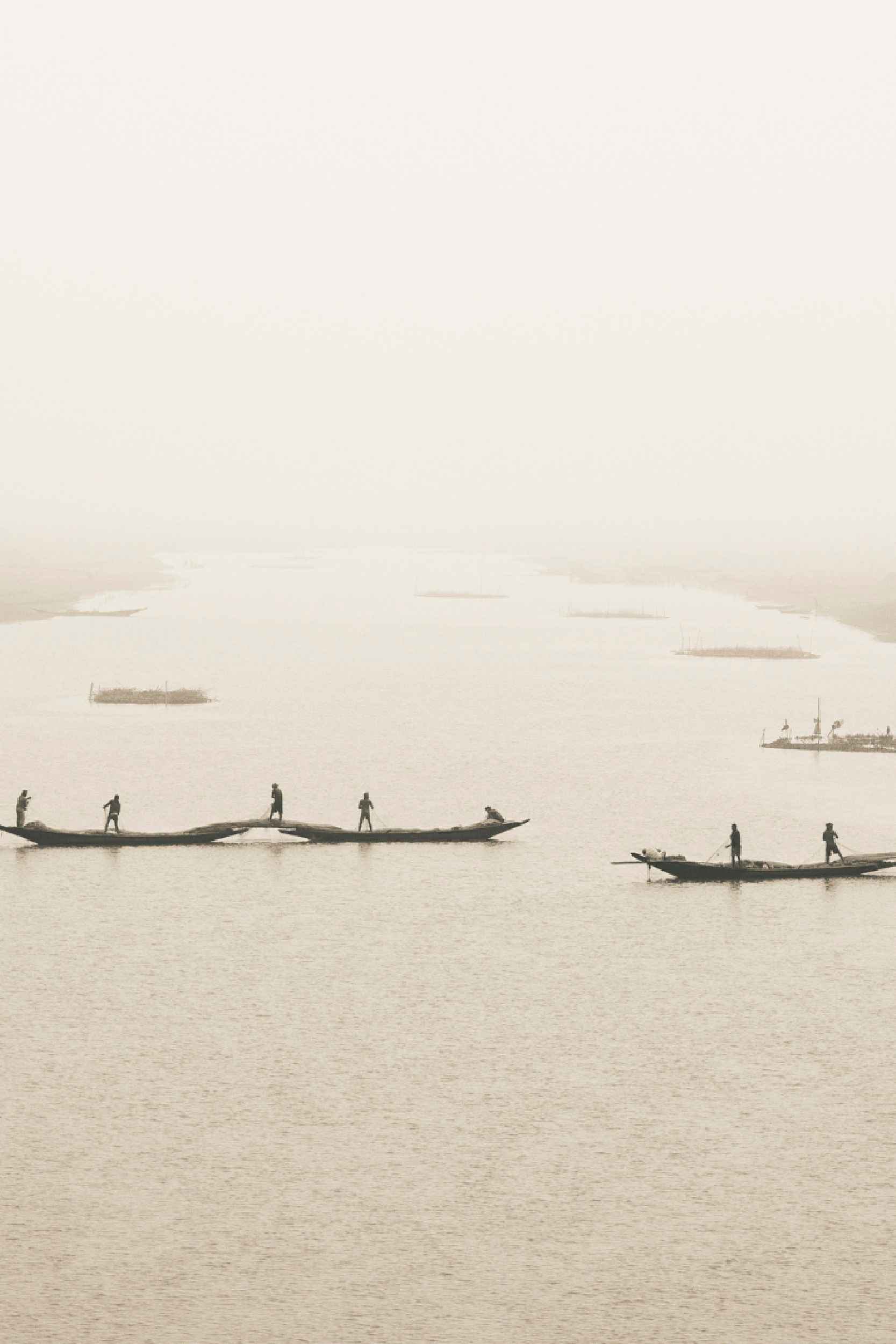
Climate change has become an aesthetic condition of hazy skies, orange light, elongated silent afternoons, and nights that refuse to cool. Artists capture this shift more immediately than data can, as climate is no longer only a scientific category but a sensory and cultural one. I mull on this as I return to the tomato plants in the midst of the first heatwave of the summer; they are withstanding the heat and even bearing fruit, which seems both ordinary and remarkable. How living beings live and adapt in a time of climate variability is remarkable and also necessary.
Think like a plant in a heatwave.
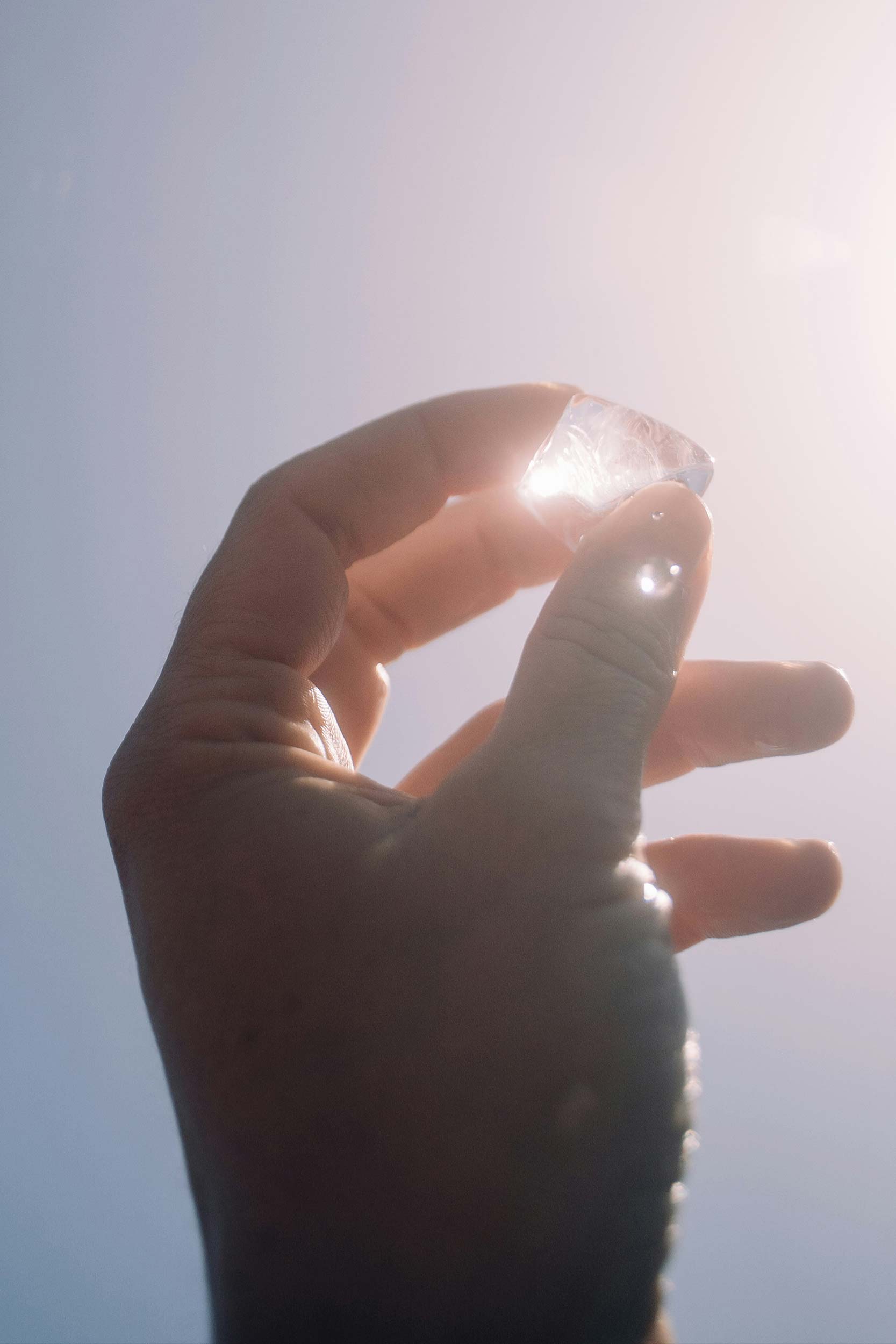
Cool your body with water, bathe in it, shower in it, and drink copious amounts of it.
Reduce physical output by slowing routines, postponing non-essential tasks, and minimising movement.
Reorganise daily life around rest, choosing low or no activity during the hottest periods.
Do less; reduce your productivity.
Find shared or public cooling spaces, such as a museum, library, or a designated climate refuge.
Words by Anna Borrie for Rethinking Climate
Rethinking Climate:
For Rethinking Climate, Anna Borrie explores climate change as a crisis of imagination, reality, and human exceptionalism. Drawing from different ideologies, she questions the idea of nature as something separate from us, for climate change ultimately reveals our entanglement within planetary systems.
Anna Borrie:
Anna Borrie is Associate Editor at Planted Journal, where she explores the intersections between ecology, art, and storytelling. Her work is rooted in a creating meaningful connections between people and their environments. She runs a community garden in Madrid, where she cultivates both plants and relationships with fellow gardeners. Her interests lie in creating collaborative environmental art and promoting zero-waste practices, seeking ways to harmonise creativity with environmental responsibility.