The Politics of Fashion: On Climate, Craft, Consumption and Colonialism
Fashion might appear superficial on the first glance, yet it’s the loudest affirmation of our conscious and unconscious desires. Those desires, when manipulated and overwhelmed, can erode the sense of self; constant consumption doesn’t only rupture the connection between us and nature but also our connection to ourselves. The clothing we wear carries the remnants of material and memories from the land where it was grown, the hands that made it and the borders it crossed to reach us, its story continuing even after we let go of it. Clothing is a political matter, organised under structures of harm or healing, justice or injustice.
Today, the fashion and textile industry comprises 2–8% of global greenhouse gas emissions; these emissions contribute to global warming and accelerate the melting of glaciers. It takes 2,700 litres of water to produce one cotton shirt, enough to meet the average person’s drinking needs for two-and-a-half years, while water scarcity affects nearly four billion people worldwide for at least one month each year. The garment industry employs approximately 60 million factory workers worldwide, yet less than 2% earn a living wage. These systems are not new. They are emerging from longer histories of colonial extraction and exploitation of labour and resources.
From this reality, Planted Journal, in its mission to bridge the gap between humans and nature, is introducing The Politics of Fashion: On Climate, Craft, Consumption and Colonialism. This series explores fashion beyond its surface, examining how the stories of what we wear shape the relationship between the personal and the planetary, the past and the present. By inviting selected creatives, designers and activists from across continents, the series seeks to challenge models of consumption and extraction and reintroduce fashion as a form of care.
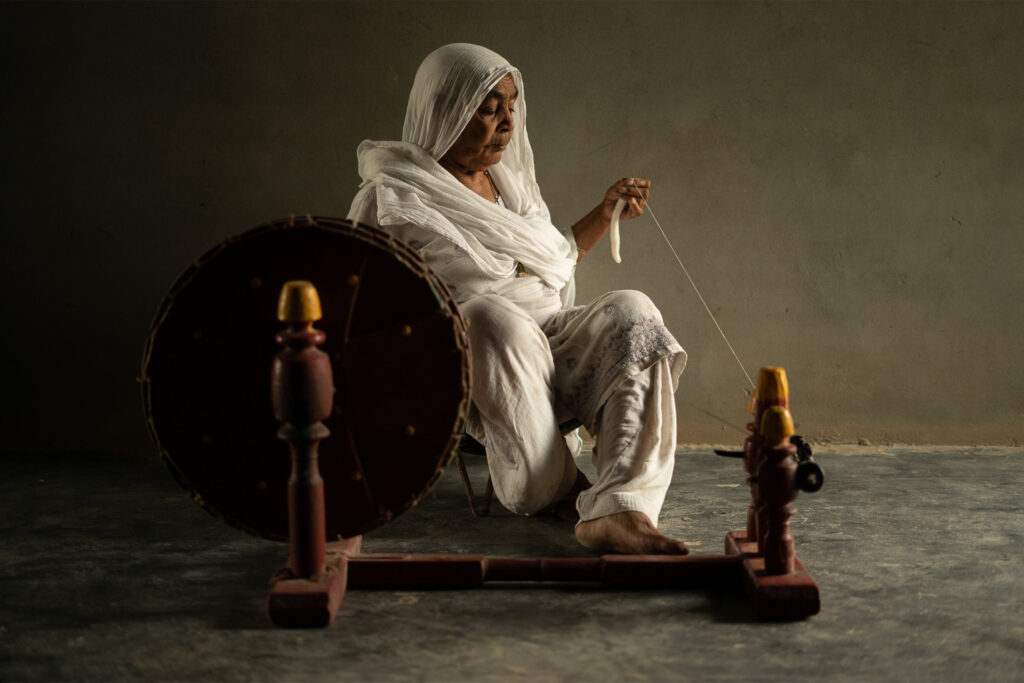
Portraits of the Village Economy by Aditi Mayer
There is always another microtrend, another aesthetic, another version of yourself being presented to you. We’re increasingly encouraged not only to buy new clothes but also to continually remake ourselves through consumption. For me, the antidote is simply relationship. Know what you actually like rather than what you have been told to like that month. Wear something long enough for memories to attach themselves to it. Meaning accumulates through time. Trend culture depends on us not giving it that time.
Between the east and the west, Aditi Mayer’s work advocates for reimagining our relationship with the Earth. She is a Punjabi-American artist, storyteller and climate activist based in Los Angeles. For her, material culture and environmental justice are part of the same story: a single thread that weaves generations and traditions.
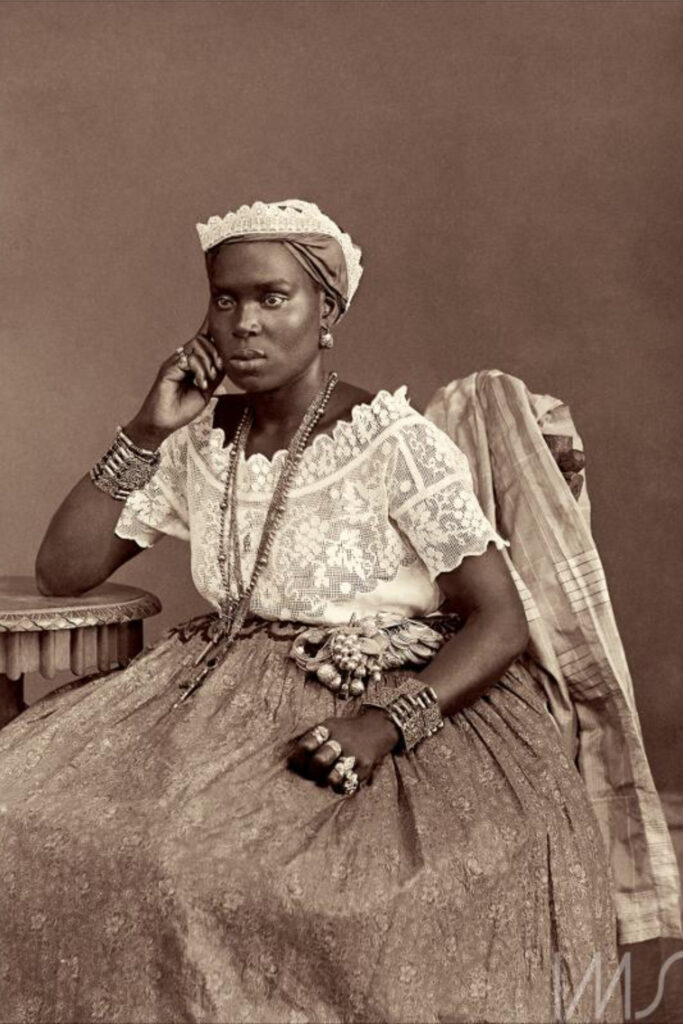
Black woman from Bahia, c. 1885. Photo by Marc Ferrez, Instituto Moreira Salles Collection
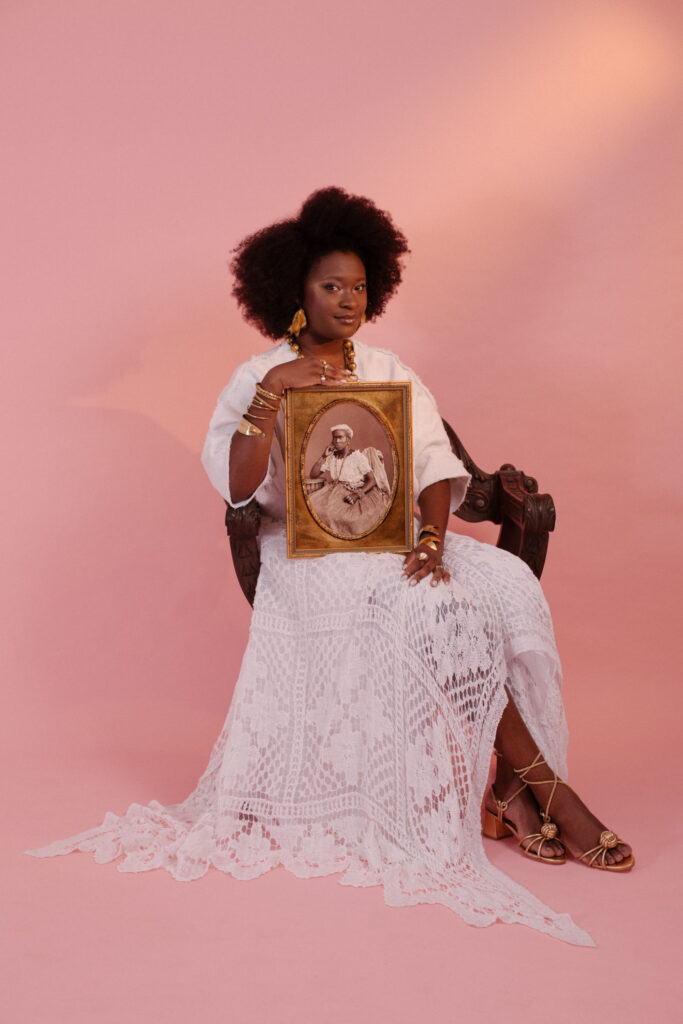
Hanayrá Negreiros by Juh Almeida
Clothing is often presented as an individual choice, but our choices are shaped by histories of race, class, gender, colonialism, labour and access. Fashion is political because the body is political and because the production of what we put on our bodies is embedded in social and economic systems.
Hanayrá Negreiros
Author of Negras maneiras de vestir: Moda, memória e arte afro-brasileira (Black Ways of Dressing: Fashion, Memory and Afro-Brazilian Art)
For Hanayrá Negreiros, fashion researcher and curator, the material and spiritual culture are entwined. Through her research, she uncovers the erased histories of the Afro-Brazilian diaspora. As the granddaughter and great-granddaughter of Black seamstresses and tailors, she approaches her family archives as historical sources. In Negreiros’s practice, the academic, personal and political are not separate worlds; familial and lived experiences become testimonies of resilience, community and belonging.
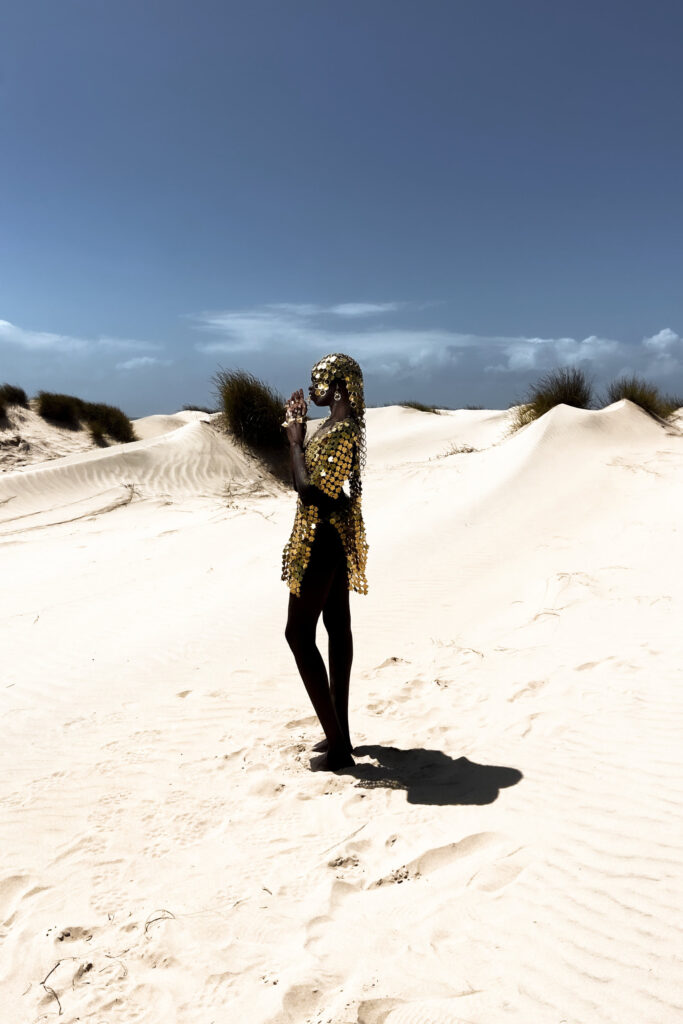
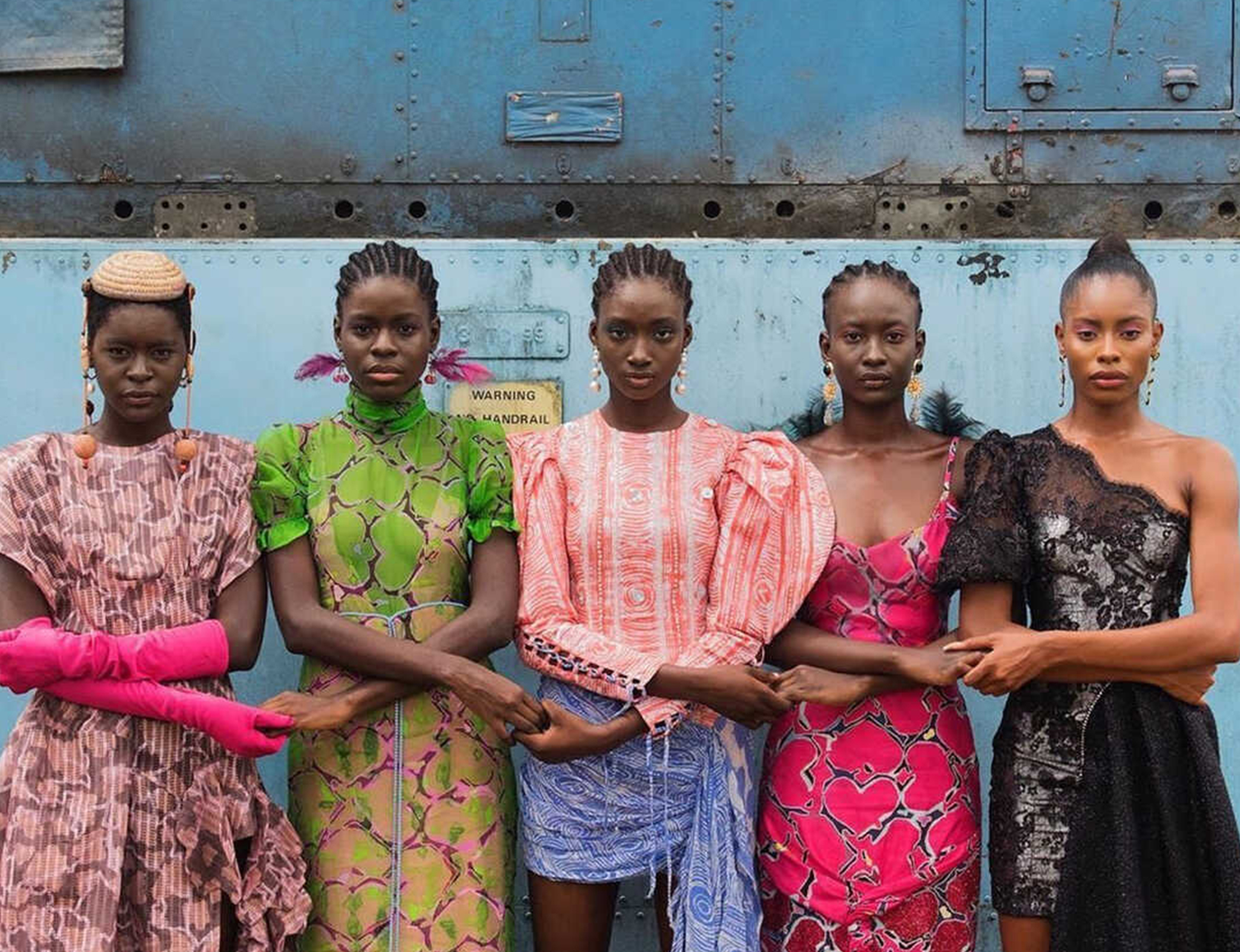
IAMISIGO SS25
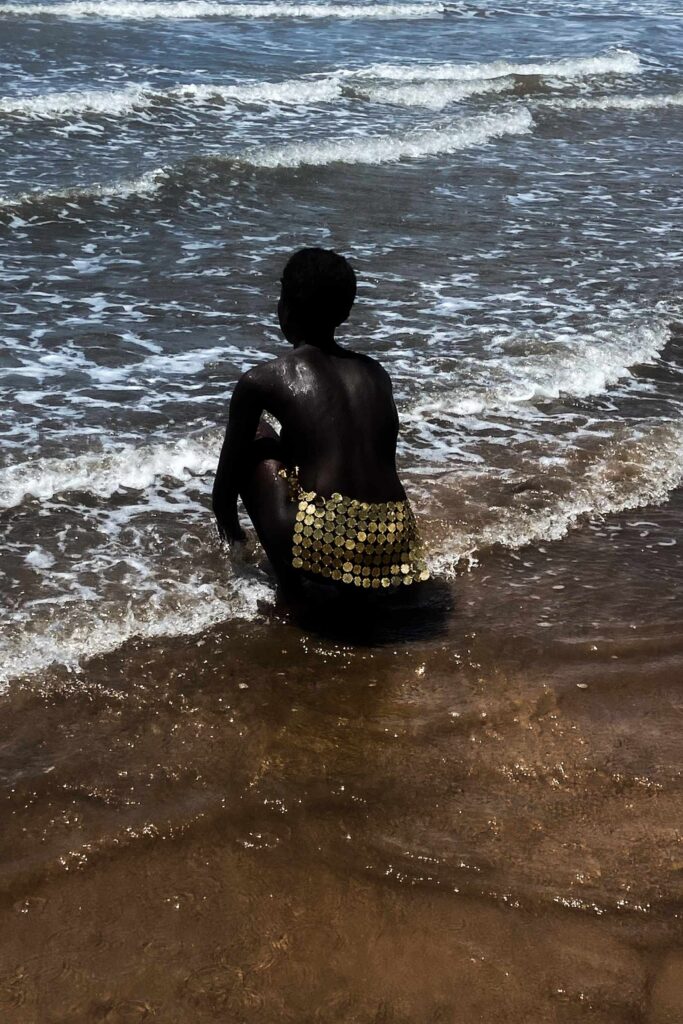
IAMISIGO SS25
The colonial legacy is heavily embedded in today’s global fashion systems; the structures have just been modernised. We see it in the way the West continues to treat the Global South as merely a source of cheap labour and raw materials, while simultaneously using our lands as a dumping ground for its massive textile waste.
Bubu Ogisi
Nigerian fibre artist, and founder of IAMISIGO
Bubu Ogisi is a Nigerian fibre artist, designer, curator, and creative director. Through her brand IAMISIGO, Ogisi explores spirituality, body, and materiality, where bold colours, African details, and a collision of contemporary and traditional aesthetics become a medium to transform socio-political narratives.
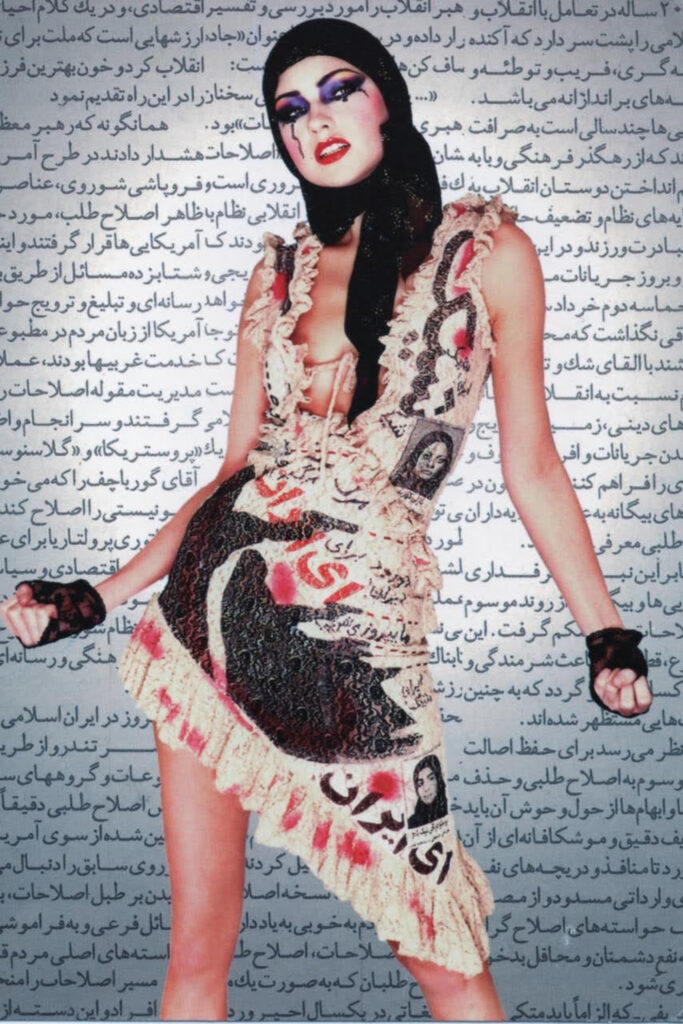
Michael and Hushi Persian Collection Revolution, Fall 2001
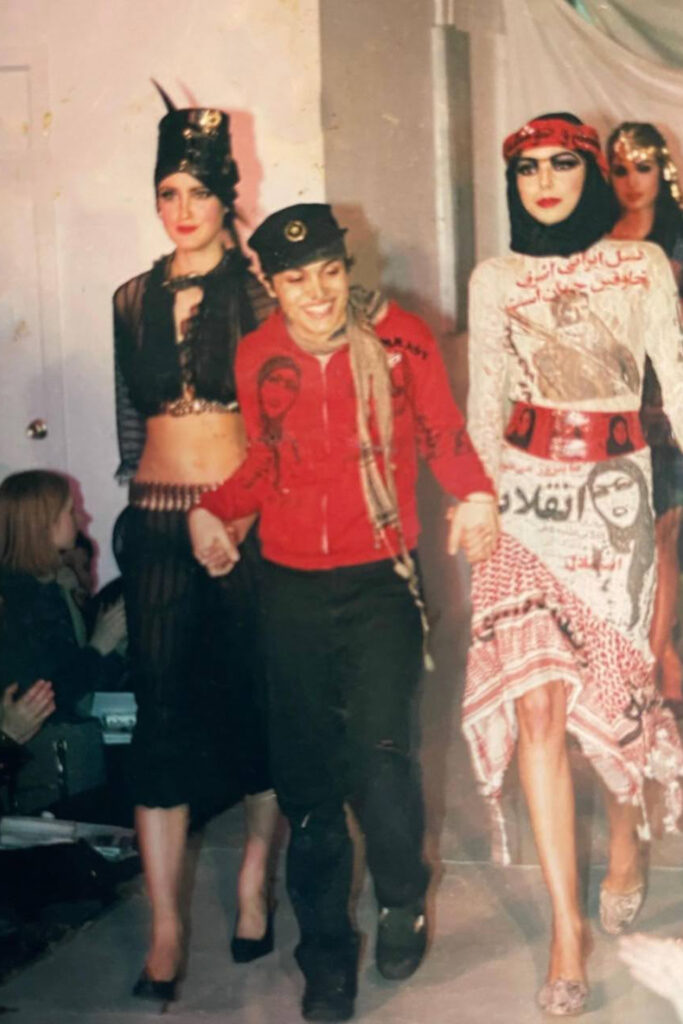
Michael and Hushi Persian Collection Revolution, Fall 2001
Despite all the conversations about diversity and inclusion, many people are still more comfortable with a vague exotic fantasy than they are with someone openly saying, ‘This is Iranian, this is Palestinian, this is Kurdish, this is Arab, this is where it comes from, and this is why it matters. For me, the question is not who gets to participate. The question is how they participate. Are they engaging with a culture as a living thing, with complexity and humanity, or are they simply using it as decoration?
Hushidar “Hushi” Mortezaie
Iranian-American fashion designer and artist
Fashion is a force of liberation for Hushidar “Hushi” Mortezaie, an Iranian-born, American-based designer and visual artist who fearlessly claims his heritage and aesthetics. Breaking through stereotypes of Iranians, Arabs, Muslims and Middle Eastern people, he reflects the most glamorous representation of his culture. He cofounded Michael and Hushi in 1997 and is the designer behind the red-and-white keffiyeh slip dress worn by Bella Hadid at the Cannes Film Festival.
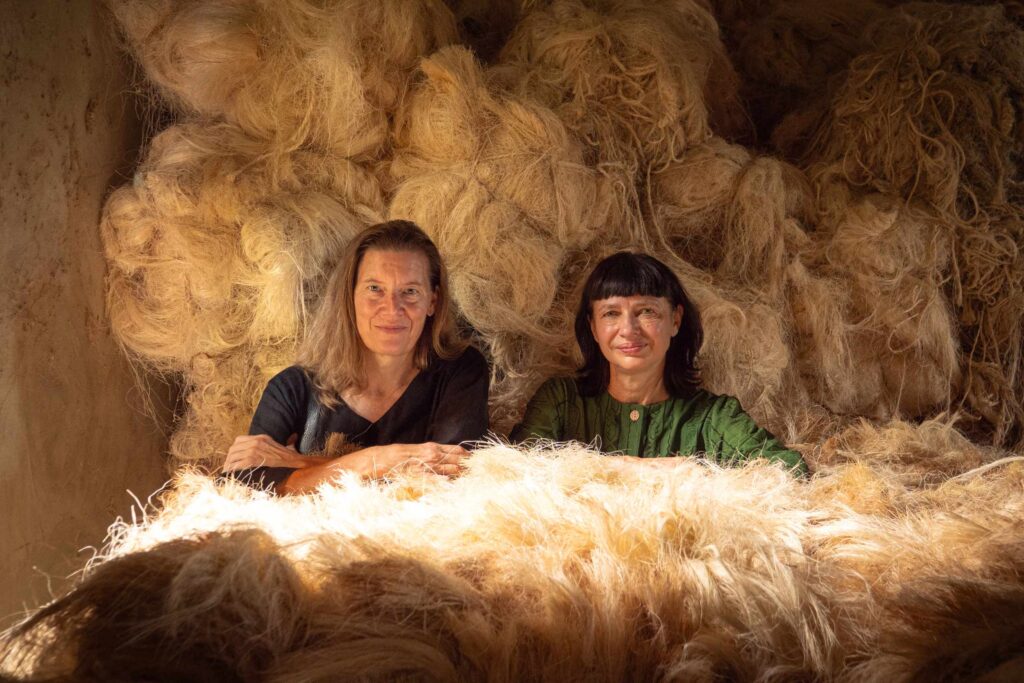
Carry Somers on the right
Cheap clothing only looks affordable if you don’t look at who’s paying for it elsewhere. I’ve seen effluent flowing through open drainage ditches into a river in Dhaka, poisoning a red-listed species of river dolphin. The true cost of a ‘cheap’ garment hasn’t disappeared – it’s been moved downstream so we can’t see the colour of the river.
Carry Somers
Author of The Nature of Fashion
Carry Somers’ work connects fashion, nature, creativity and justice. She is Director of Advocacy and Programmes at the League of Artisans and an expert consultant on fashion and textiles for the UN International Trade Centre. Somers co-founded Fashion Revolution, now the world’s largest fashion activism movement.
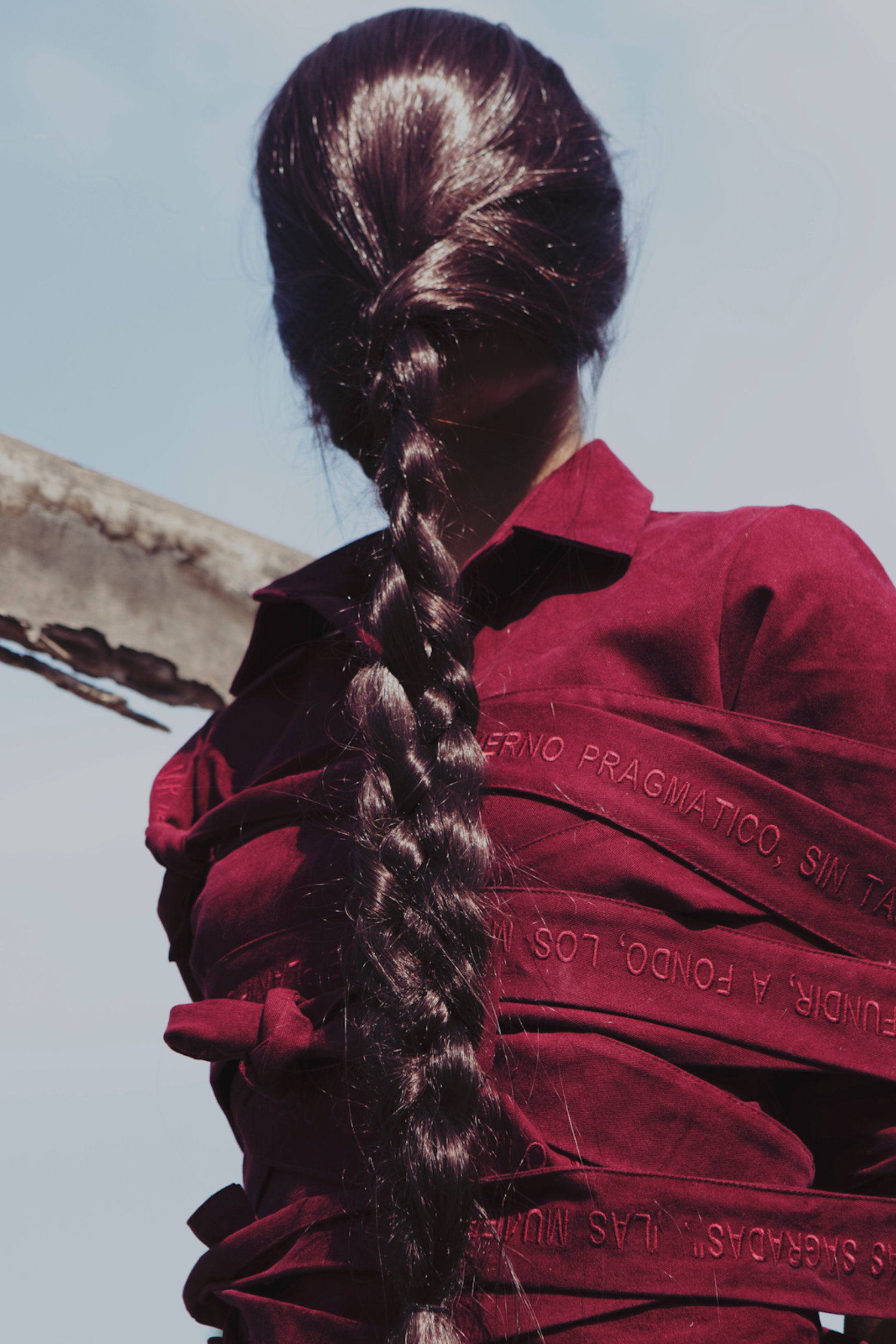
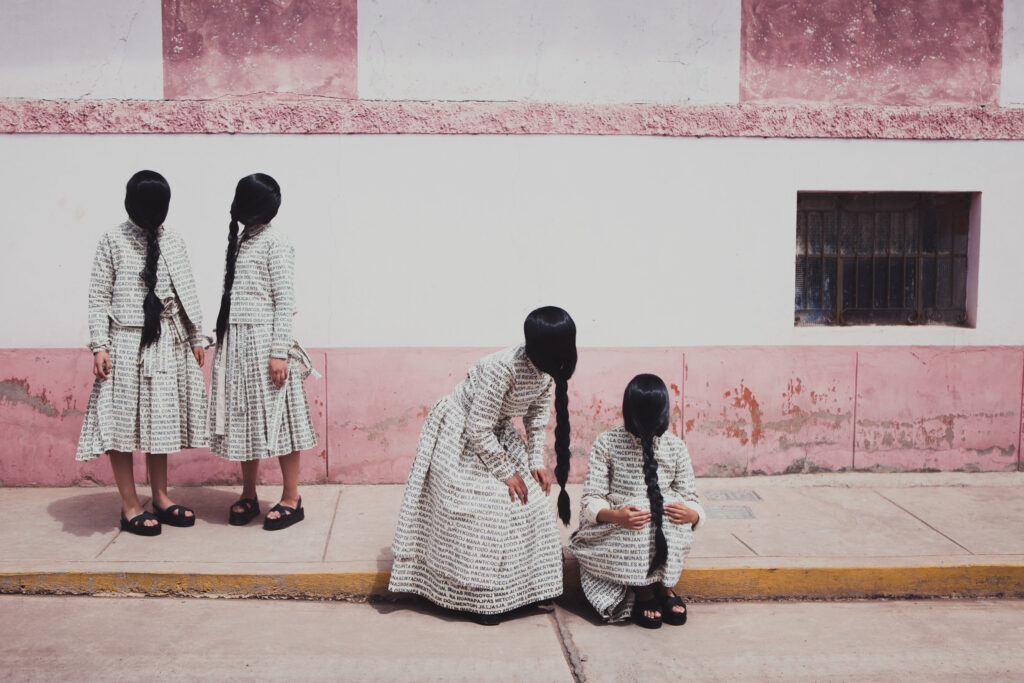
La Espera (Cusco, 2013). Image series from the project “Artículo 6”. Concept & Art Direction: Lucia Cuba / Photo: Erasmo Wong S. / Models: Jessica Rojas, Flor Vergara, Nataly Zúñiga, Pilar Trujillo
My training in public health taught me to think in systems: a body’s health is never just its own; it’s shaped by water, soil, labour, housing, policy and community. It’s a short step from there to a planetary scale, where the more-than-human world – land, plants, animals, ecosystems – is part of the same fabric of health that fashion touches at every stage, from fibre to landfill. I’ve only recently let myself hold all of this together and ask what it means for my own creative practice.
Lucia Cuba
Textile artist and scholar
For fashion designer, textile artist, activist and educator Lucia Cuba, fashion and health are shaped by the same forces. Her practice explores biopolitics, public health, gender and non-Western fashion systems. As a Latin American scholar, she is dedicated to preserving her culture through an online database, BASELAT, archiving resources, fashion and textile practices that don’t necessarily fit within narrow academic methodologies.
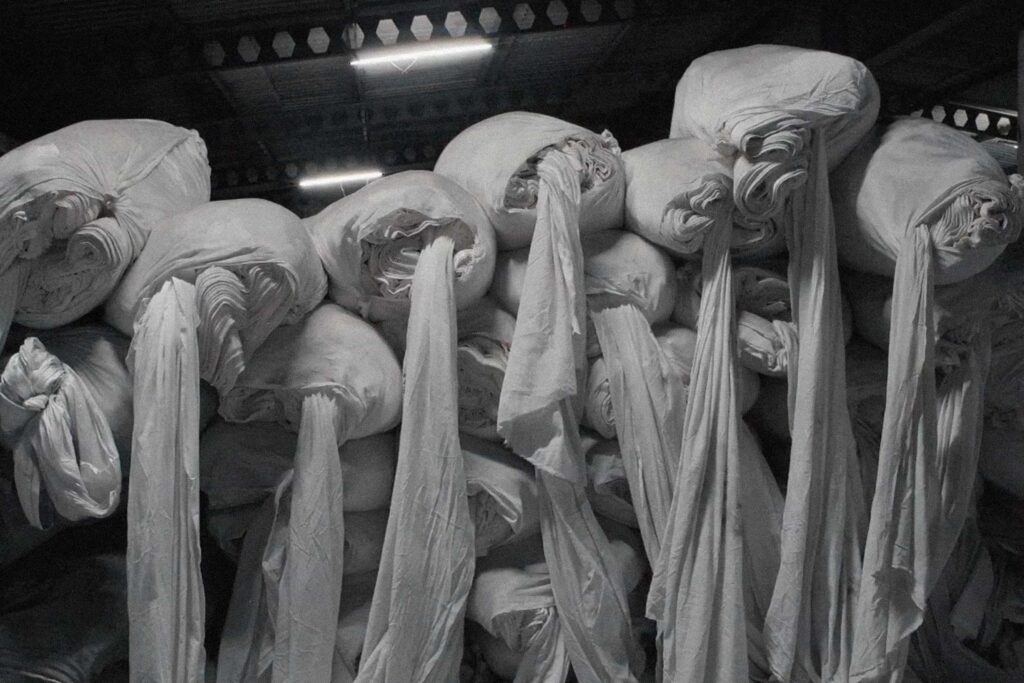
Machines (2016)
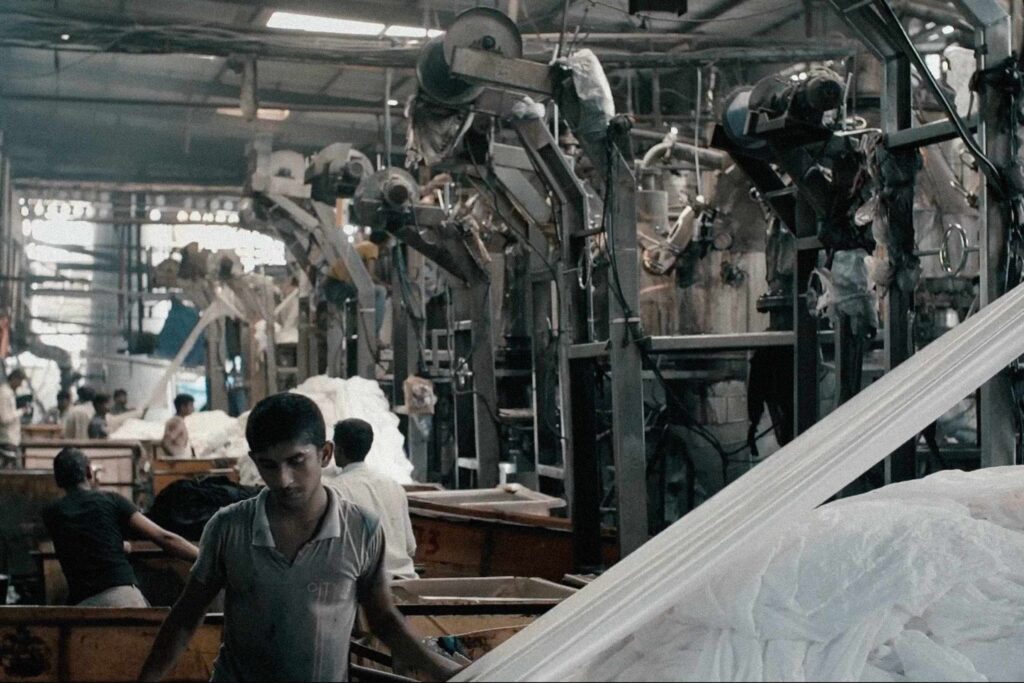
Machines (2016)
Our clothes are made from petrol now, actual crude oil and gasoline, run through a process and worn on skin, and that fact alone tells you fashion was never just an aesthetic question. It’s extraction. It’s planned obsolescence. It’s an entire industry built to make this year’s version of something feel inadequate by next year.
Rahul Jain
Director, Machines (2016)
A decade ago, director Rahul Jain debuted Machines, taking viewers inside a gigantic textile factory in Gujarat where workers struggle for long hours in dehumanising conditions. Through the film he uncovered exploitation driven by mass production. Still today, the same reality is faced by garment workers across the world, and Jain’s film has left a lasting impression when engaging with the human cost of fashion.
These powerful voices from across the world reaffirm that material culture is deeply entwined with history, memory and even spirituality. Our ways of inhabiting clothing are intimate to inhabiting the Earth. The act of donning can be a medium for political, personal and planetary justice; it has always been part of the same fabric, and each of these voices shows us this.
Alongside the interview series, we will host study clubs to create a space for exchange, reflection and collective imagination.
The Politics of Fashion by Priyanka Singh Parihar
Founder and EIC
Priyanka Singh Parihar is a BIPOC writer, curator, and art director who explores the connection between humans and nature, seeking new ways of existing. Hailing from a rural farming community in India and now residing in Milan, she observes the world through two distinct cultural perspectives: East and West, rural and urban.
Her work with Planted Journal began during a period of severe depression and eco-anxiety. Through creative practice, she found a path to healing. With a history education in Delhi, which provided her with critical and academic tools, and a master’s in fashion styling in Milan, where design, fashion, and aesthetics have shaped her, she is now dedicated to applying her experience to the field of climate justice.