

Sacred Ecologies : Artists on Land, Spirituality and Climate | Alvin Ng
At a moment when climate change is most often articulated through data sets, political frameworks, and scientific research, Sacred Ecologies begins elsewhere—quietly and with intention. It turns towards cultures, towards memory, towards the invisible threads of our relationship with the natural world. It asks what it might mean to understand ecology not only as a system to be managed but also as something lived, felt, and, in many contexts, revered.

Bringing together a group of visual artists from different continents, the project traces how land, spirituality, and cultural belief intersect within contemporary practice. Through a series of in-depth interviews, each artist reflects on how their work engages with inherited knowledge systems, ecological fragility, and the ongoing negotiation between past and present. These are not simply narratives of environmental concern, but of survival—of how communities, histories, and spiritual ecology endure and adapt under conditions of environmental and cultural threat.

Furthermore, across four online sessions taking place between July and September 2026, members of our creative community will have the opportunity to engage directly with Fernanda Liberti, Alvin Ng, Gui Christ, and Lisandro Suriel, artists whose practices challenge extractive ways of seeing and offer alternative perspectives on our relationship with the natural world. These workshops offer a space for skill development through artist-led encounters, combining presentations, open discussion, and guided exercises to engage with the ideas, methods, and processes behind long-term artistic projects.
Engaging with the concept of samsara hasn’t necessarily reshaped my understanding, but rather affirmed my sense of place within the larger tapestry of life. It reinforces the idea that everything exists within cycles of birth, transformation, and dissolution. Within this perspective, humans are not separate from nature but part of the same continuum. We arrive, we exist for a moment, and eventually we pass on, just as ecosystems and landscapes also move through cycles of change. We are not masters but merely passengers in a much larger cosmic journey.
Alvin Ng
Photographic Artist and Educator
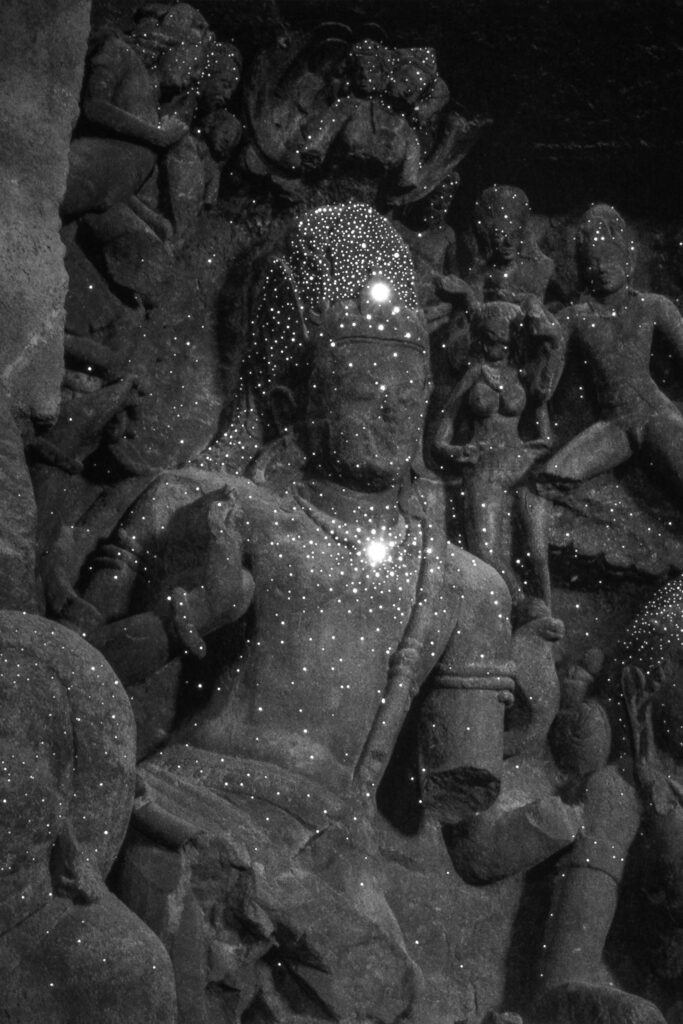
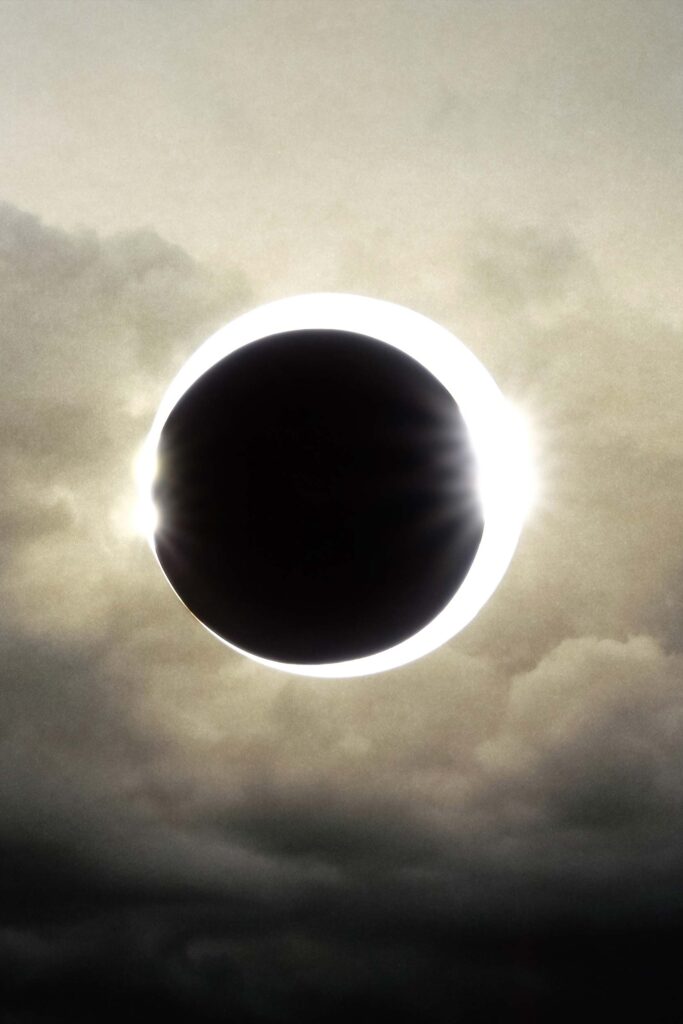
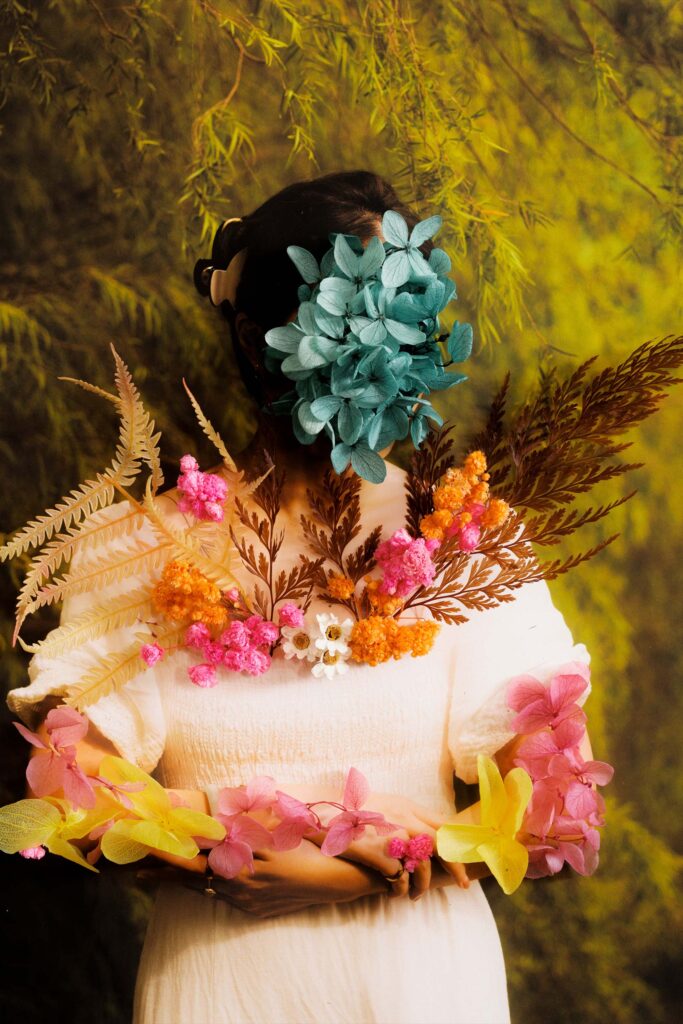
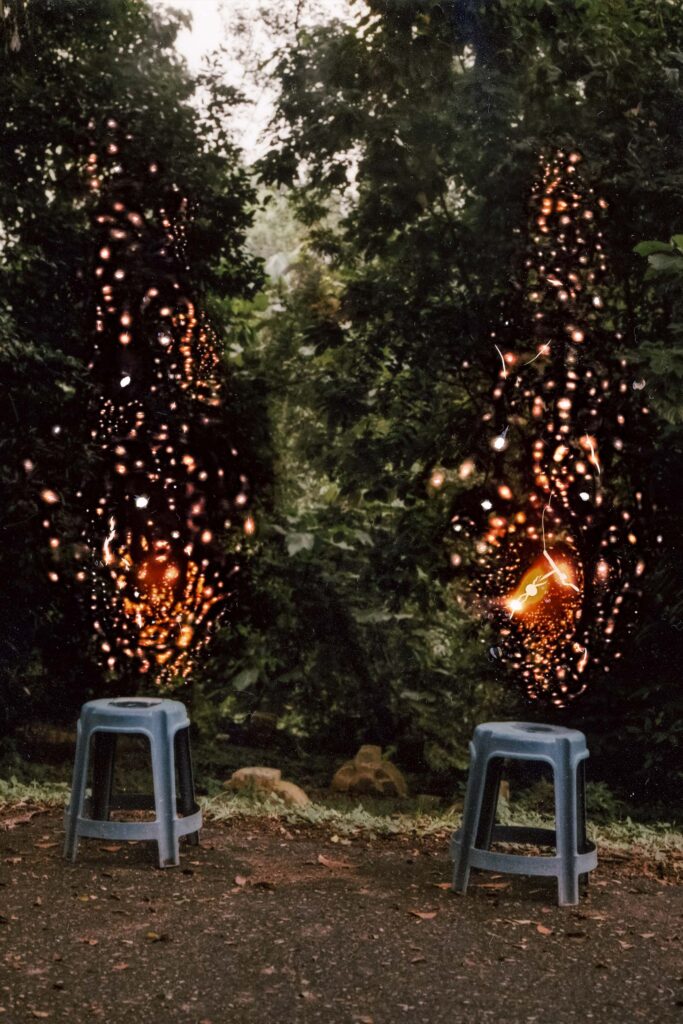
Alvin Ng is a Southeast Asian artist and educator based in Singapore, working primarily in photography. His practice moves between antiquity and contemporaneity, drawing on mythological narratives, philosophical exploration, and a deeply intuitive visual language. Through meticulous hand-manipulation of photographic prints, Alvin constructs images that resist linear time, instead unfolding as layered, non-linear stories that feel at once ancient and immediate.
Like a dreamweaver, he navigates the porous boundary between reality and imagination, creating works imbued with intimacy and quiet mystery. His images do not simply depict the natural world but invite a slower, more contemplative encounter with it—one that gestures towards the unseen, the remembered, and the spiritually resonant. In this way, his practice aligns closely with the concerns of Sacred Ecologies, offering a perspective on the environment that is less about representation and more about relation.
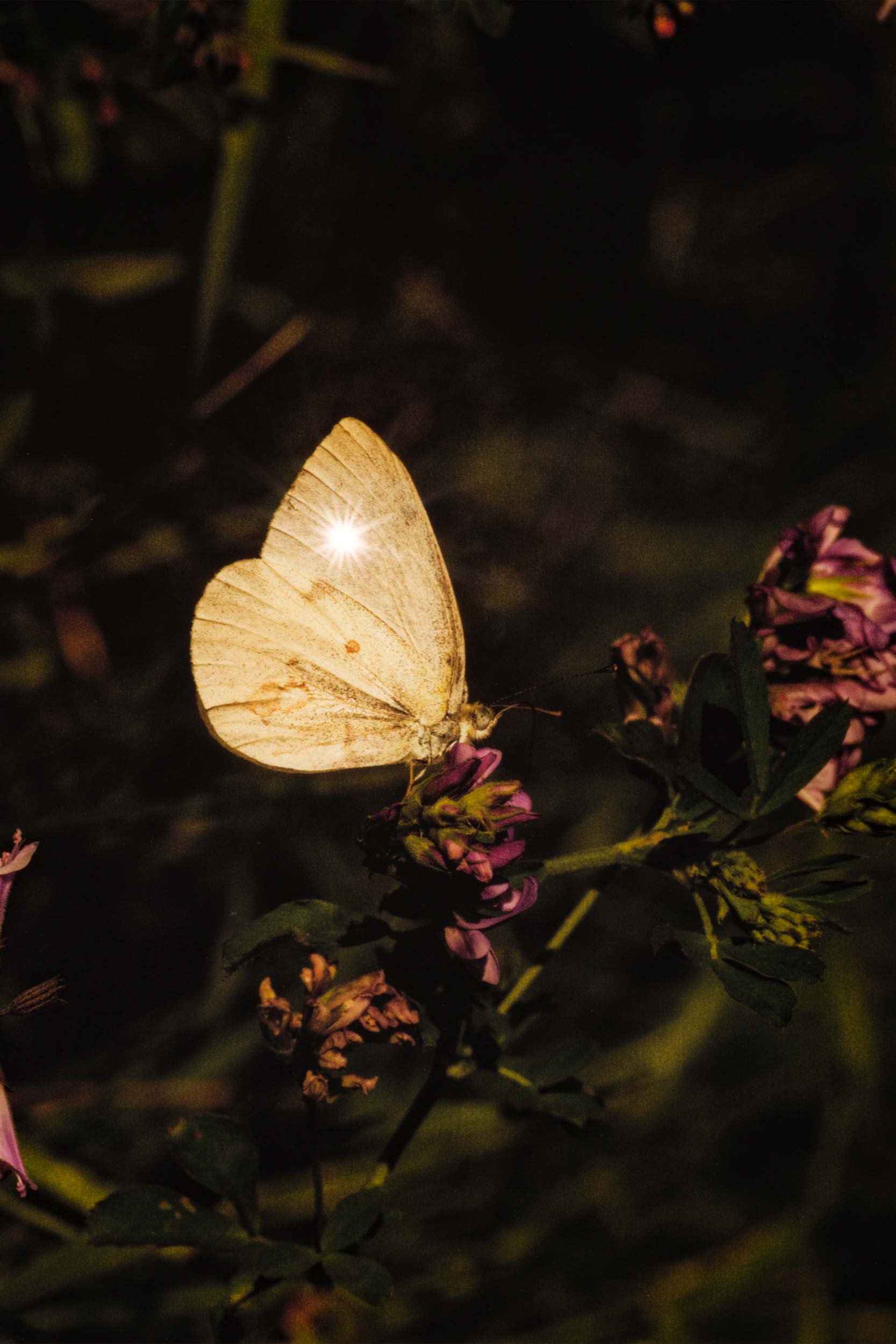
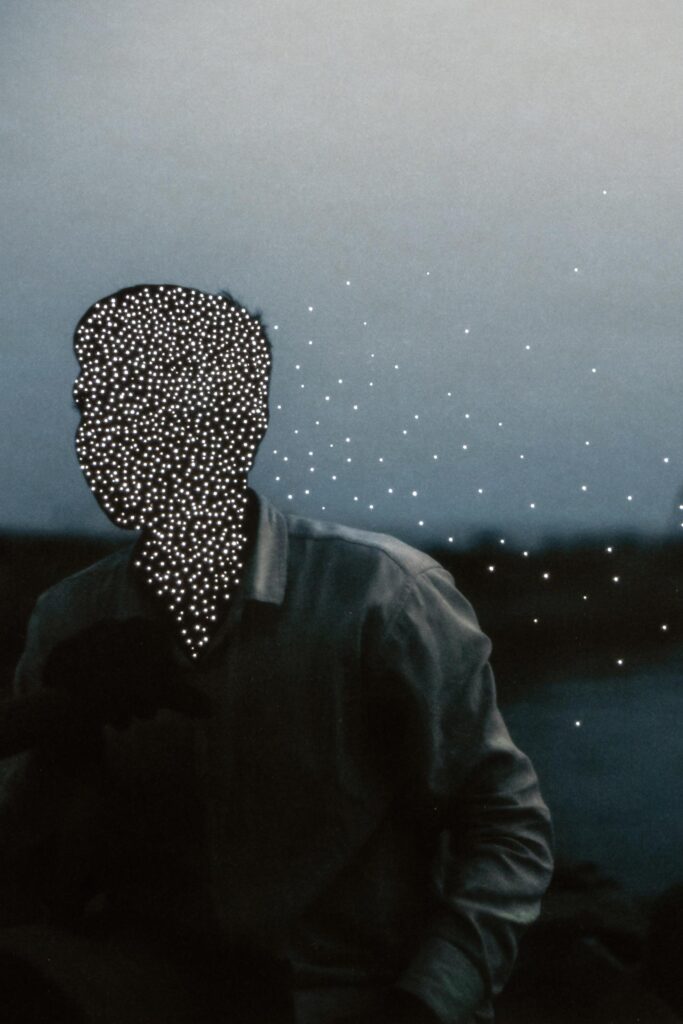
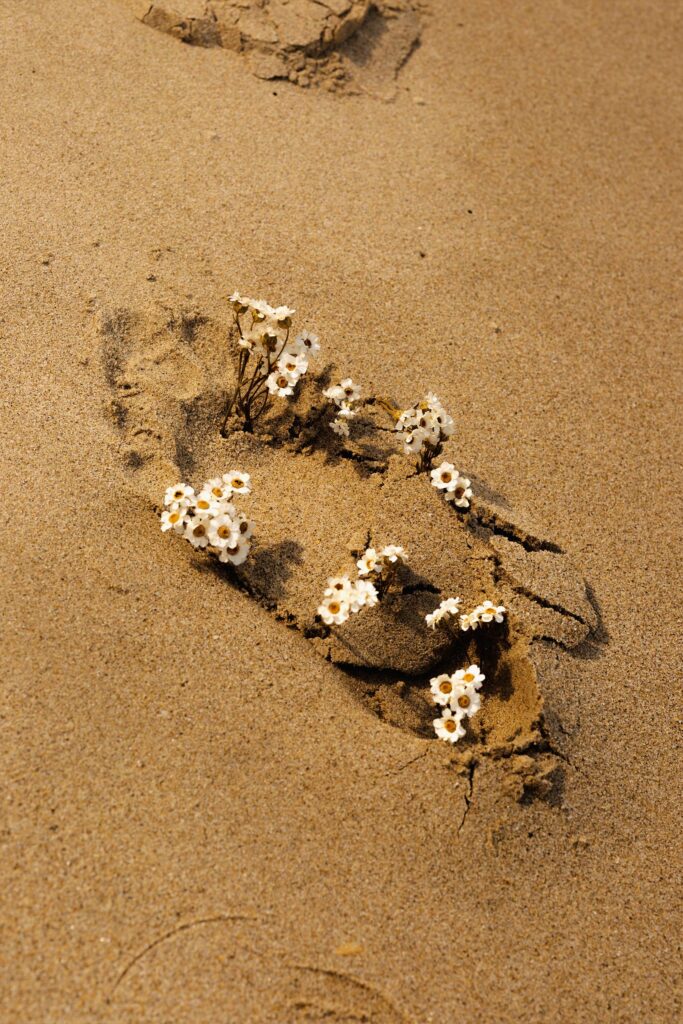
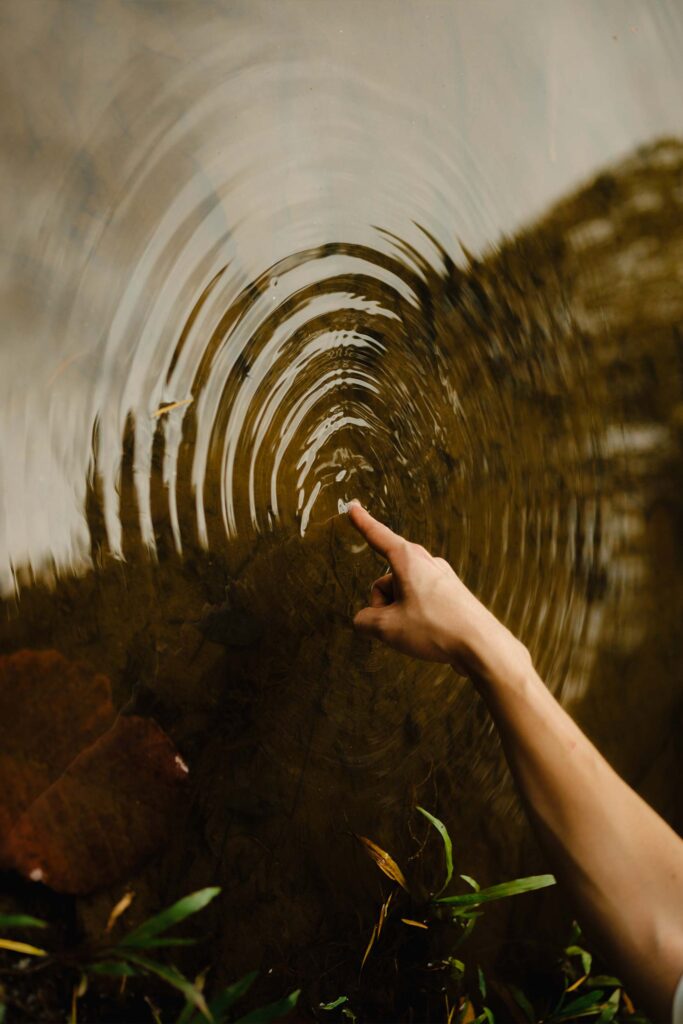
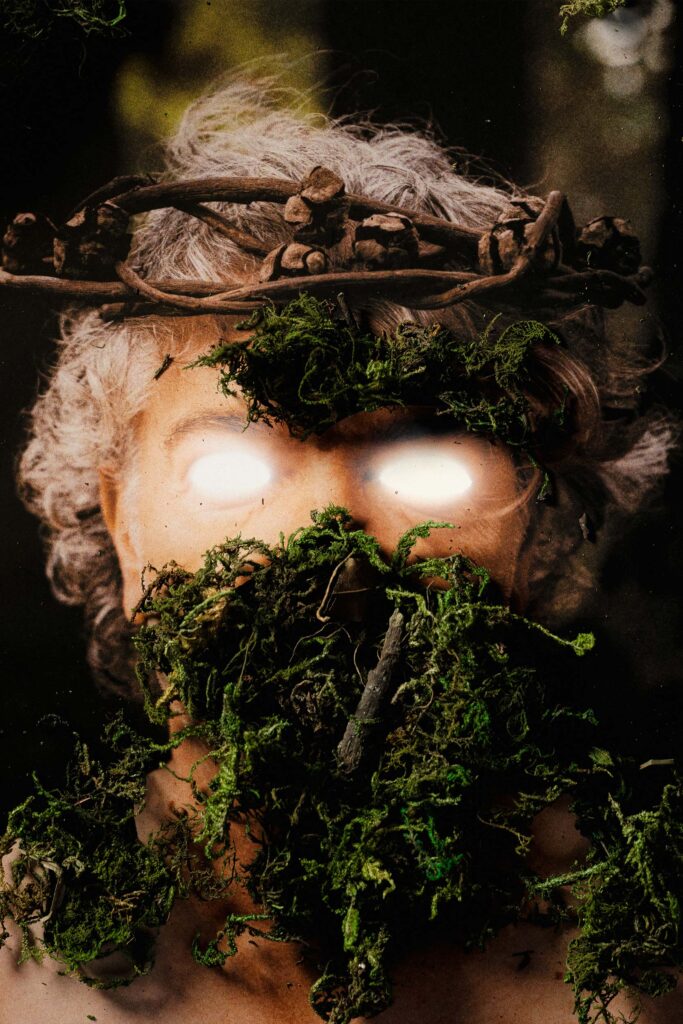
His project Samsara reflects Hindu and Buddhist understandings of cyclical time—birth, death, and rebirth. Through this lens, the natural world is situated within processes of renewal, impermanence, and spiritual continuity. The work mirrors Alvin’s own evolving spiritual journey while remaining attentive to landscape as a living presence. In doing so, Samsara offers a quietly powerful ecological framework: one that foregrounds interconnectedness and positions humanity not outside of nature but within its ongoing cycles of transformation.
Virginia Melodia: How do spirituality, culture, and ancestral belief impact your relationship with climate and environmental perspectives?
Alvin Ng: For me, it’s an ongoing process of learning and reflection. I’m constantly encountering new lessons that deepen my appreciation and connection to the natural world.
If I were to describe it in relational terms, the wisdom of antiquity and ancestral knowledge feels like a nurturing teacher. They guide me toward a deeper level of awareness, while the environment around me becomes the classroom where those lessons unfold. Through this perspective, climate and environmental issues are not distant concepts, but lived experiences that continuously shape my understanding and responsibility.
Virginia: In your cultural context, how is the natural world understood—as a resource, ancestor, spirit, or something else—and what does responsibility to land, community, and future generations mean within your belief system?
Alvin: Being based in Singapore, a nation known for rapid development and constant transformation, I feel nature is often understood as something to be managed, designed, and optimised, much like a curated garden. While greenery is highly valued, it is frequently shaped to serve development and aesthetic goals.
Personally, I believe a garden should not be over-styled into perfection, but allowed to thrive with minimal, careful intervention. Responsibility to land, in this sense, means restraint, ensuring that development does not overpower ecological balance. It also means recognising that future generations deserve not just designed beauty, but living systems that can sustain themselves.
Virginia: How does your artistic practice engage with ecological concerns, either directly or indirectly, and can you speak about specific rituals, myths, or spiritual practices that influence your work?
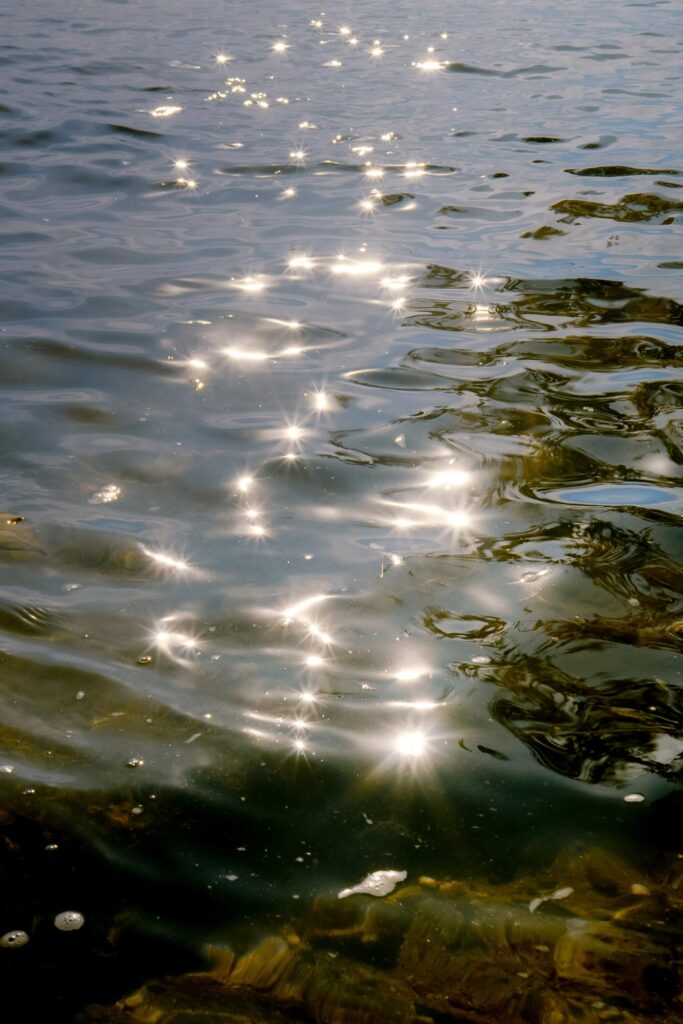
Alvin: My artistic practice does not directly address ecological concerns in the sense of environmental activism or climate commentary. Instead, my work focuses on exploring my relationship with the natural world as it exists: contemplative, undisturbed, and at times surreal. I’m more interested in the philosophical and spiritual dimensions of our connection to nature rather than responding to the ecological crisis directly.
In terms of spiritual influence, there are no specific rituals that guide my practice. However, the teachings of the Heart Sutra and the concept of samsara are important philosophical guides in how I structure and organise my projects. These teachings shape how I think about impermanence, cycles, and interconnected existence.
Beyond this, my work is also informed by extensive research into mythologies from across cultures, as well as a more intuitive process guided by inner reflection and resonance. Because of this, the works often move across different cultural and temporal references, drawing from both Eastern and Western antiquity.
My work focuses on exploring my relationship with the natural world as it exists: contemplative, undisturbed, and at times surreal. I’m more interested in the philosophical and spiritual dimensions of our connection to nature.
Alvin Ng
Photographic Artist and Educator
Virginia: How do you navigate the tension between culture and contemporary environmental crises, and how do you see the role of art in the era of climate and ecological crisis?
Alvin: I don’t necessarily approach my work through the framework of cultural tensions or contemporary environmental crises, so it’s difficult for me to speak directly to that question. My practice is less concerned with responding to crisis narratives and more focused on exploring our relationship with the natural world on a philosophical and experiential level.
Because of that, I don’t see my role as navigating between culture and environmental issues in a direct way. Instead, my work reflects on broader ideas of interconnectedness, cycles, and our place within the larger systems of nature and the cosmos.
Virginia: What can spiritual or spiritual ecology worldviews offer that scientific or policy-driven climate narratives often overlook?
Alvin: I don’t necessarily see spiritual or spiritual ecology worldviews as separate from scientific thinking. In many ways they are different ways of approaching the same questions about existence and the universe. For example, the teachings of the Heart Sutra explore ideas about emptiness, interconnectedness, and the nature of reality, which can sometimes resonate conceptually with certain scientific explorations of the universe.
Where spiritual perspectives may offer something different is in how they situate humanity within much longer cycles of time and existence. Scientific and policy-driven climate narratives often focus on immediate action, measurable data, and governance. Spiritual or cosmological frameworks tend to emphasise impermanence, interconnectedness, and our relatively brief place within a much larger cosmic timeline. Because of this, I don’t necessarily see something being “overlooked,” but rather that these perspectives provide another way of understanding our relationship with the Earth, one that complements scientific knowledge rather than opposing it.
Spiritual or cosmological frameworks tend to emphasise impermanence, interconnectedness, and our relatively brief place within a much larger cosmic timeline.
Alvin Ng
Photographic Artist and Educator
Virginia: Samsara reflects Hindu and Buddhist understandings of cyclical time—birth, death, and rebirth—rather than linear progress. How has engaging with these spiritual frameworks reshaped your understanding of ecology and environmental responsibility?
Alvin: Engaging with the concept of samsara hasn’t necessarily reshaped my understanding, but rather affirmed my sense of place within the larger tapestry of life. It reinforces the idea that everything exists within cycles of birth, transformation, and dissolution.
Within this perspective, humans are not separate from nature but part of the same continuum. We arrive, we exist for a moment, and eventually we pass on, just as ecosystems and landscapes also move through cycles of change.
From my perspective, this understanding encourages humility and responsibility. We are not masters, but merely passengers in a much larger cosmic journey. If everything is interconnected within these cycles, then how we treat the environment is ultimately part of the same shared system that we ourselves belong to.
Virginia: In Samsara, the natural world feels inseparable from spiritual consciousness. How does your own spiritual journey impact the way you photograph landscapes—not simply as scenery, but as living presences within a cycle of transformation?
Alvin: It’s something that, even now, I can’t fully describe or answer. It comes from somewhere deep within. Like a boatman on a river, I simply follow its course.
Virginia: Singapore is often associated with rapid development and modernity. How does situating ecology within cyclical time challenge dominant narratives of growth, progress, and extraction in your local context?
Alvin: While I’m based in Singapore, my work tends to look beyond national borders. The natural world does not recognise the boundaries humans draw on maps, so the ecological perspectives within my practice are not confined to a specific country or locality.
Because of this, the idea of cyclical time in my work is less about responding to Singapore’s development narrative specifically, and more about situating human activity within much larger planetary and cosmic cycles. From that perspective, concepts like growth, progress, and extraction appear more temporary when viewed against the longer rhythms of nature and existence.
Humans are not separate from nature but part of the same continuum. We arrive, we exist for a moment, and eventually we pass on, just as ecosystems and landscapes also move through cycles of change.
Alvin Ng
Photographic Artist and Educator
Virginia: Your work suggests that the environmental crisis is not only material, but spiritual. Do you see Samsara as a meditation on loss and renewal, and how might spiritual ecology offer alternative ways of responding to climate anxiety?
Alvin: I wouldn’t necessarily say that my work suggests the environmental crisis is primarily spiritual, nor that it is a meditation on loss and renewal. Rather, it reflects on connection, the idea that we exist within a vast tapestry of life and cosmic processes.
From a spiritual ecology perspective, the universe itself is not inherently moral or benevolent. For example, a black hole does not distinguish between destruction or preservation; it simply follows its nature. Yet these same cosmic processes also play an essential role in shaping galaxies and enabling the formation of stars and the elements necessary for life.
Similar dynamics can be seen in ecological systems. A wildfire can be devastating for wildlife and human communities, but it also renews ecosystems by returning nutrients to the soil and triggering regeneration for certain species.
Humanity reflects this same duality. Our actions have contributed significantly to environmental degradation, yet we also possess the capacity for restoration and collective care. Around the world, individuals, communities, and organisations are actively engaged in reforestation, conservation, and the protection of ecosystems.
Because of this, I see my work less as a meditation on loss and renewal and more as an exploration of interconnected cycles, where destruction and creation exist simultaneously. It reflects how human activity, ecological systems, and even cosmic forces are part of the same continuum of transformation.
Virginia: At a time when climate change is largely scientific and political, how can drawing from Hindu and Buddhist practices open up more relational, contemplative, or reverent ways of understanding humanity’s place within the natural world?
Alvin: I think that through Buddhist practices, it brings us back to the notion that we are part of nature, not separate from it. In my series Samsara, as well as in these teachings, there is an emphasis on cycles, impermanence, and interconnectedness. And so rather than replacing or seeing them as separate scientific approaches, these perspectives deepen them by encouraging humility, reflection, and a more attentive relationship with the environment.
I think that through Buddhist practices, it brings us back to the notion that we are part of nature, not separate from it.
Alvin Ng
Photographic Artist and Educator
Join Alvin Ng for Sacred Ecologies Study Club
Working with Fragments: Myth, Memory and the Construction of Visual Narratives.
Saturday 1 August 2026 | 18:00 Singapore Time | 12:00 CEST | Online
90 minutes
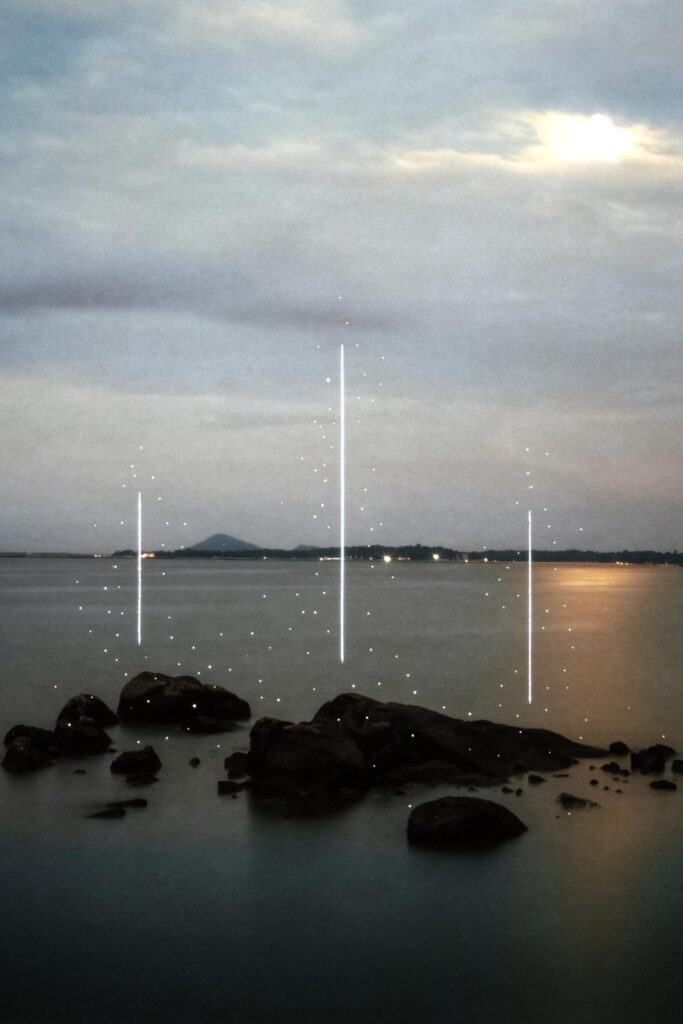
Working with Fragments explores how myths, legends, personal memories, and fragments of history can be translated into photographic ideas and visual language.
Drawing from his artistic practice, Alvin will introduce participants to approaches that prioritise symbolism, atmosphere, intuition, and observation over literal illustration. The session offers a foundation for artists interested in incorporating mythology, antiquity, and memory into their own creative work.
Explore:
• Photography as myth-making and memory
• Symbolism, atmosphere and visual storytelling
• Developing contemplative artistic practice
For every 10 tickets sold, one free place is gifted to someone who may not otherwise have access to the opportunity.
Full Series Pass (All 4 Study Clubs) – 15% Discount
Accessibility & Support
Most proceeds from ticket sales go directly to the artist.
For every 10 tickets sold, one free place is gifted to someone who may not otherwise have access to the opportunity.
The remaining funds support Planted Journal’s work amplifying culture, environmental awareness, art, community-led initiatives, and under-represented voices worldwide.
For students, we’re offering 22.22% off all individual Study Club sessions.
The Full Series Pass already includes a 15% saving, and by applying the exclusive student discount code, students receive a total saving of 35% on the full series.
To learn more, email us at hello@plantedjournal.com
Interview by Virginia Melodia
Virginia Melodia is a storyteller. She tells stories through writing, poetry, photography and video. Her mission is to connect people with nature and our shared humanity. She wants to inspire others to consciously live and remain in the presence. She shares narratives that evoke a deep sense of connection and reverence for our planet and ourselves.
As a creative, Virginia loves shaping experiences that feel alive and draw people in. Growing up between languages and living in different countries opened her eyes to many ways of seeing, and taught her to value the beauty in every culture and viewpoint. She’s passionate in blending visuals and language into stories that speak to the soul. She looks for inspiration in the world as it unfolds around her—the honesty of nature, the intensity of human feeling, and the many layers of everyday life. She believes storytelling can help us understand one another, look inward with courage, and ignite positive change in the world.