Documenting Conflict: Art, Conflict, and Collective Memory
If conflict is told only as tragedy, resistance drops out. If it is told only as geopolitics, daily life disappears. If it is framed as a clash between equal sides, power is washed away.
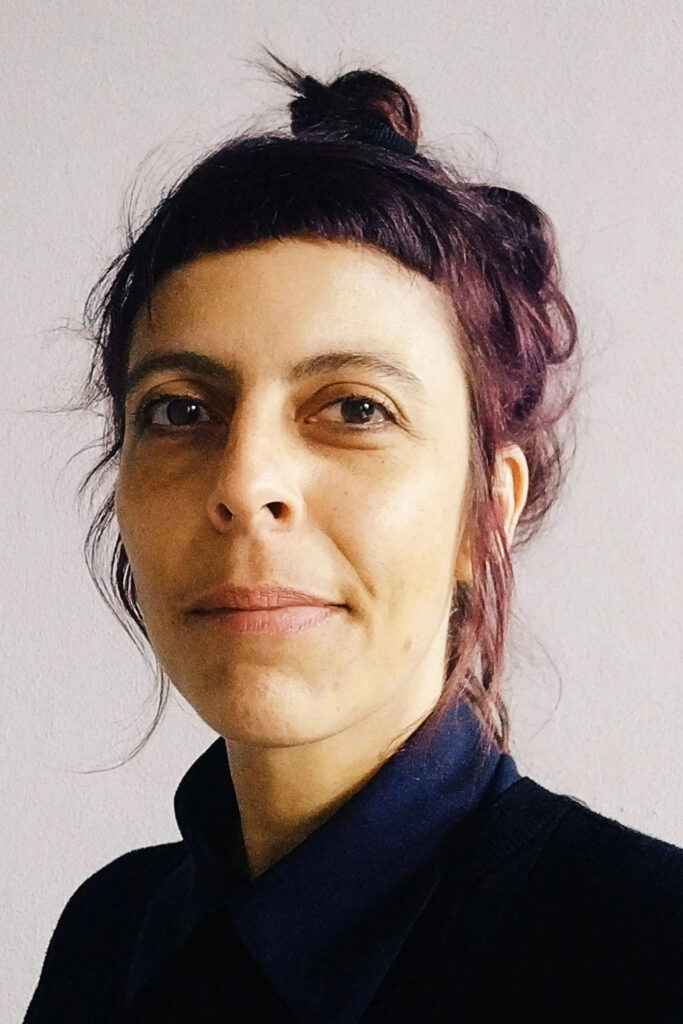
Maddalena Fragnito
Italian researcher of decolonial perspectives
The ways in which conflict is documented fundamentally shape how it is remembered, interpreted, and understood. While documenting conflict is often associated with journalists and historians, artists have long engaged with conflict, not only as witnesses but also as interpreters. Artists have historically been commissioned to record the events of war and produce romanticised propaganda that reinforce dominant political narratives. Images do more than show or document. For Iraqi-Palestian artist Sama Alshaibi “they establish what we expect to see, and some ways of seeing become so familiar that they begin to feel natural or truthful.”
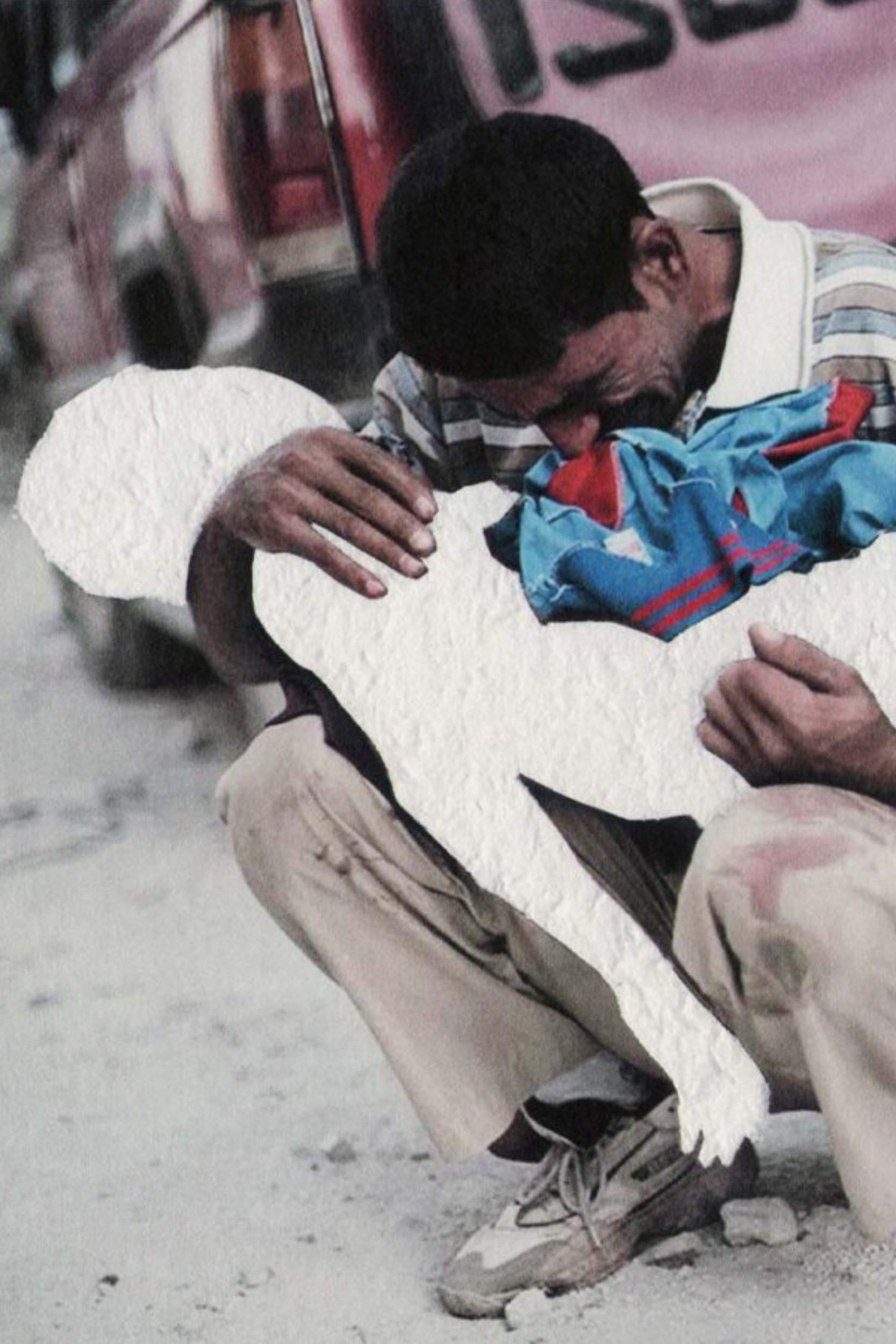
Framing decides what or who appears in the narrative. Italian researcher of decolonial perspectives Maddalena Fragnito sees that “if conflict is told only as tragedy, resistance drops out. If it is told only as geopolitics, daily life disappears. If it is framed as a clash between equal sides, power is washed away.” Social media delivers unfiltered glimpses of war, displacement, and survival to our screens, oversaturating and creating paralysis. Fragnito mentions this as being the “pornography of horror”, a term coined by researcher Marta Malo. Syrian artist and activist Khaled Barakeh censored graphic imagery from conflicts in Syria in the work The Untitled Images, revindicating that “sometimes the most truthful image is the one that refuses to show you everything.” Barakeh reflects that while it is not possible for creatives to outpace the news cycle, it is more about how “art becomes useful when it makes what has become too easy to see difficult again in the right way.”
Sometimes the most truthful image is the one that refuses to show you everything.
Khaled Barakeh
Syrian artist
Alshaibi echoes this sentiment: “Sometimes responsibility is in what you refuse to photograph, what you refuse to turn into material, or what you recognise is not yours to tell.” Her work See Without Being Seen considers what occurs when those who are being watched are unable to look back. Framing also influences formal archives and who decides what is deemed worthy to be recorded and saved. Céline Semaan, the co-founder and executive director of Slow Factory, notes, “Archives ultimately are colonial forms of preserving culture, because by default they aren’t including everybody’s culture; they’re not including a pluralistic perspective.” Fragnito talks about working with a “long historical lens”, to show the layers of historical extraction and colonialism that are linked to present conflicts.
Sometimes responsibility is in what you refuse to photograph, what you refuse to turn into material, or what you recognise is not yours to tell.
Sama Alshaibi
Iraqi-Palestinian artist
Censorship is linked to institutionalised patterns of silence, what Fragnito calls “the art of censorship”, which is visible through the erasure of pro-Palestine voices from Meta’s algorithms. Semaan reiterates that social media platforms are designed to control narratives, not collective liberation. Independent media, such as the Slow Factory’s Everything is Political, is for Semaan a response to the constraints of censorship in mainstream media, a way to lift the veil on the systemic injustices and to imagine and design alternative possible futures. Censorship does not only erase; it also reshapes identity. Ukrainian artist Daria Koltsova talks of having to question everything she was taught, through archives and painful conversations “piecing together fragments of a history deliberately manipulated by Soviet authorities”. Koltsova understands landscape not as a passive backdrop where history unfolds, but as one of its central actors. Her project Postcards from Home turned each postcard into a vessel of memory, of land and the stories embedded within it, where remembering is an act of resilience. “Memory … is inherently unstable – we each reconstruct it differently. … I am not so much interested in what exactly happened but in how people perceived it and organised their reality around it.” Which is echoed by Barakeh and his interest in “collective memory and the infrastructures through which societies remember themselves, because land is a material form of memory and often the most stubborn witness a society has.” A body and how it moves through a landscape is for Alshaibi a way to register what has happened in a place shaped by conflict, in a similar vein to how Koltsova sees “land as a living witness.”
Archives ultimately are colonial forms of preserving culture, because by default they aren’t including everybody’s culture; they’re not including a pluralistic perspective.
Céline Semaan,
co-founder and executive director of Slow Factory
In a time of monoculture, in part due to censorship, it is the artists, researchers, and independent media who can challenge the singular perspectives and narratives on how current and historic conflicts are recorded. Semaan sees a need for more diversity and plurality across all fields. Plurality is a form of resistance against homogenised narratives, where conflict is documented through the memories, stories, and lived experiences of many rather than being shaped by systemically unjust perspectives that favour a few.
Memory … is inherently unstable – we each reconstruct it differently. … I am not so much interested in what exactly happened but in how people perceived it and organised their reality around it.
Daria Koltsova
Ukrainian artist
To continue the conversation, the five artists and researchers interviewed for this series will be joining Planted Journal for an online discussion on 21 November, 6-8pm CET. If your interest has been piqued while following this series, this is the opportunity to hear from multiple perspectives on how the documentation of conflict impacts underlying narratives.
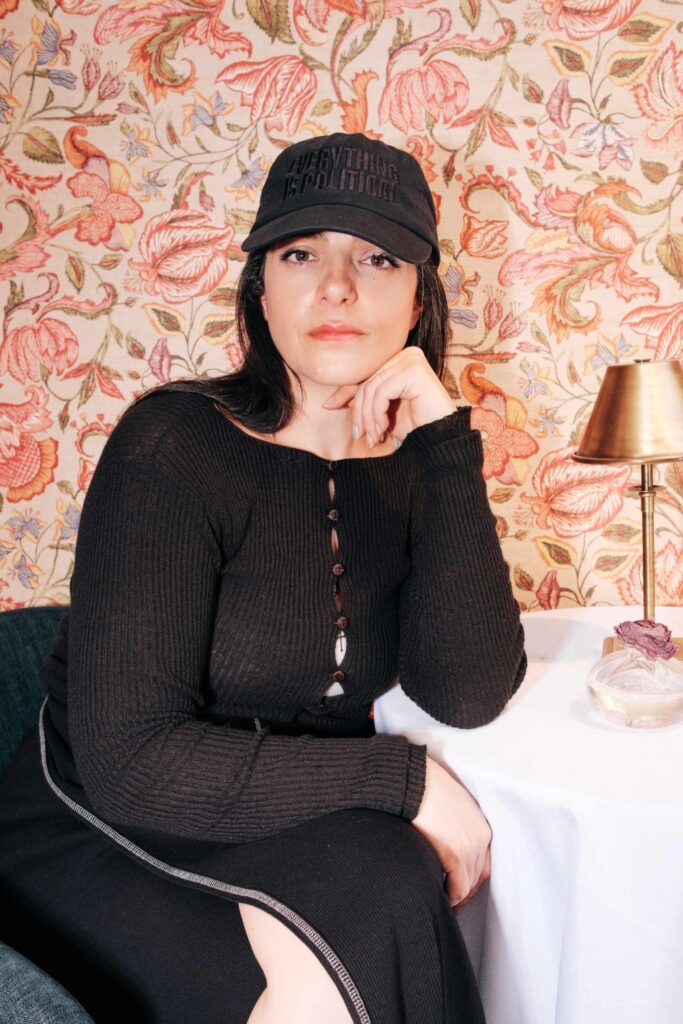
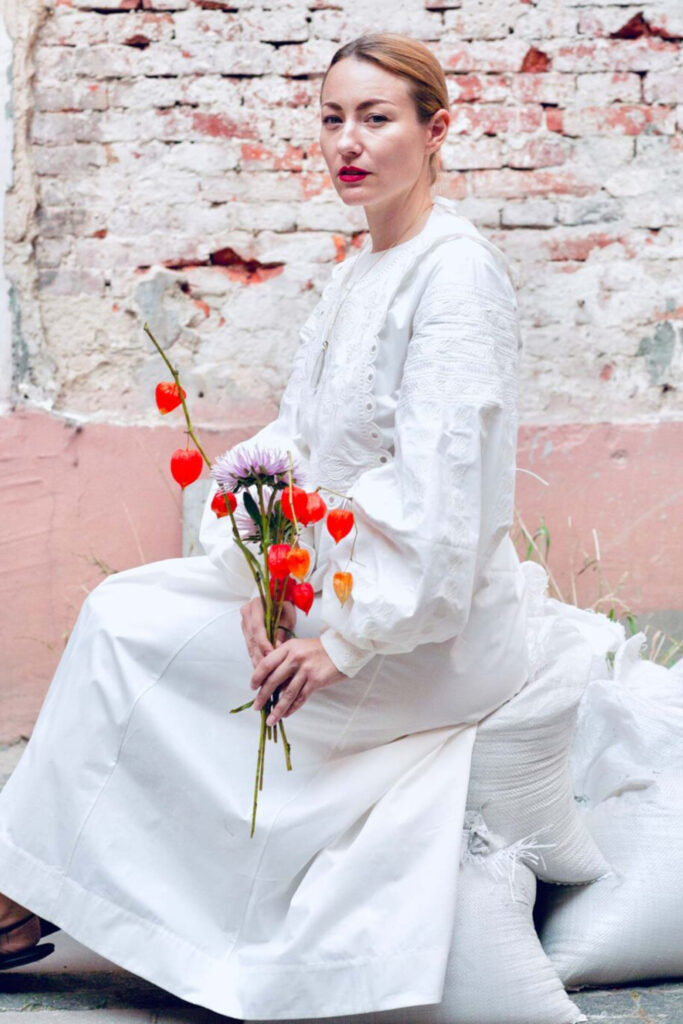
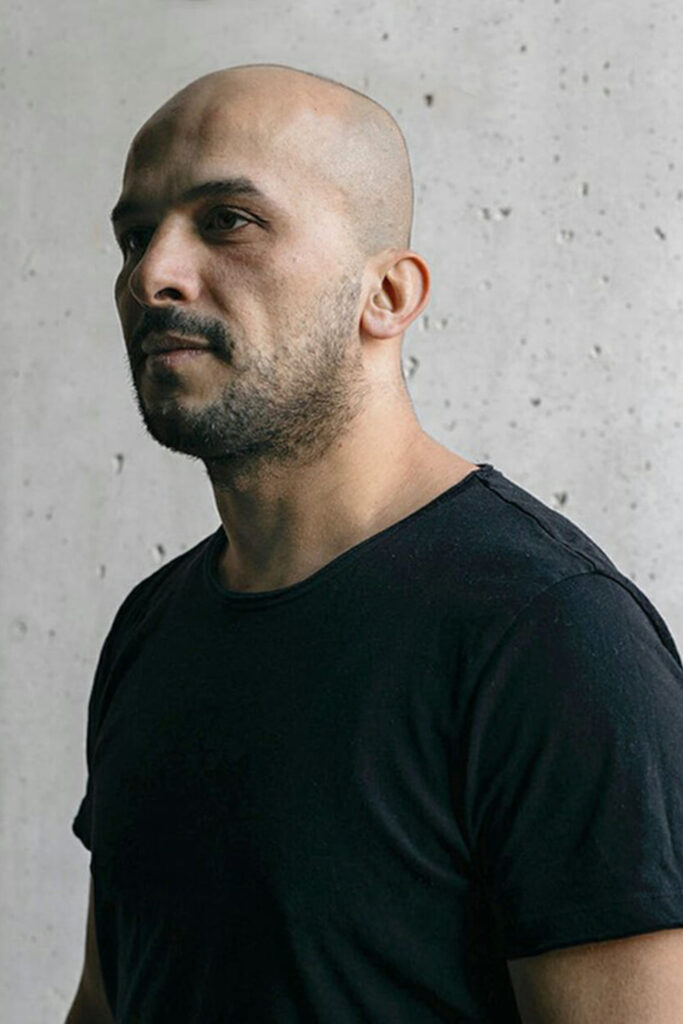
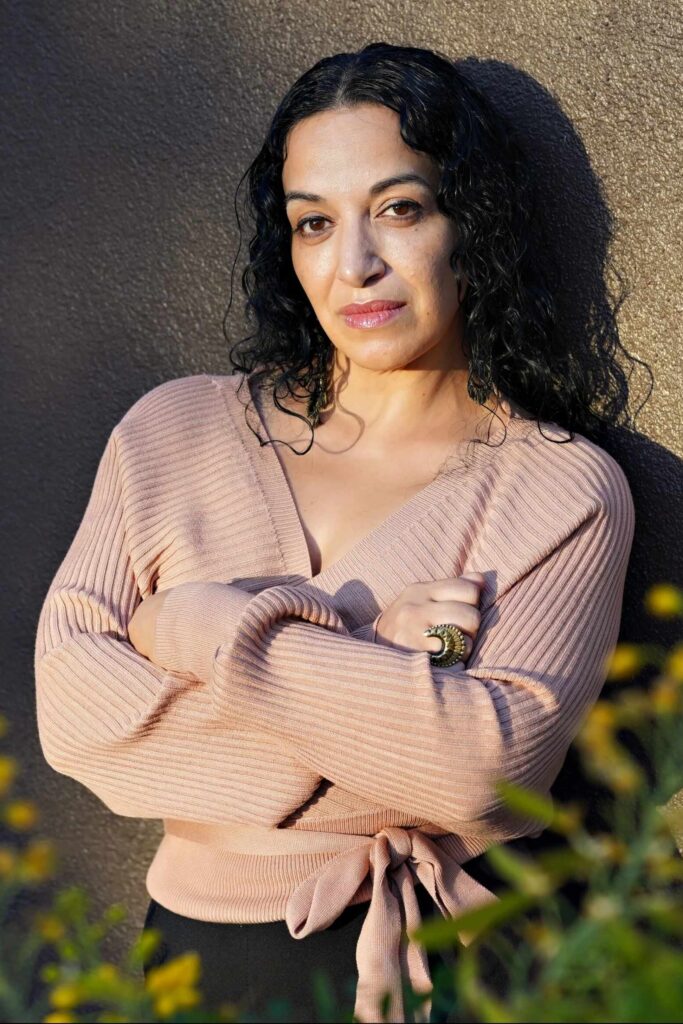
Click on Artist Portrait to Read Interviews From the Series
Pay What Feels Right
Creating this series has taken considerable time, care, and effort. We do this work because we deeply care about these conversations and believe they should remain accessible to everyone.
We’ve suggested €5, €10, and €15 as donation amounts. If you are able to give more, your generosity helps support the work and makes it possible for others to give less.
If you can’t afford the suggested amounts, please contribute whatever you can. There is no minimum, and everyone is welcome.
Thank you for supporting this work and helping us keep it growing.