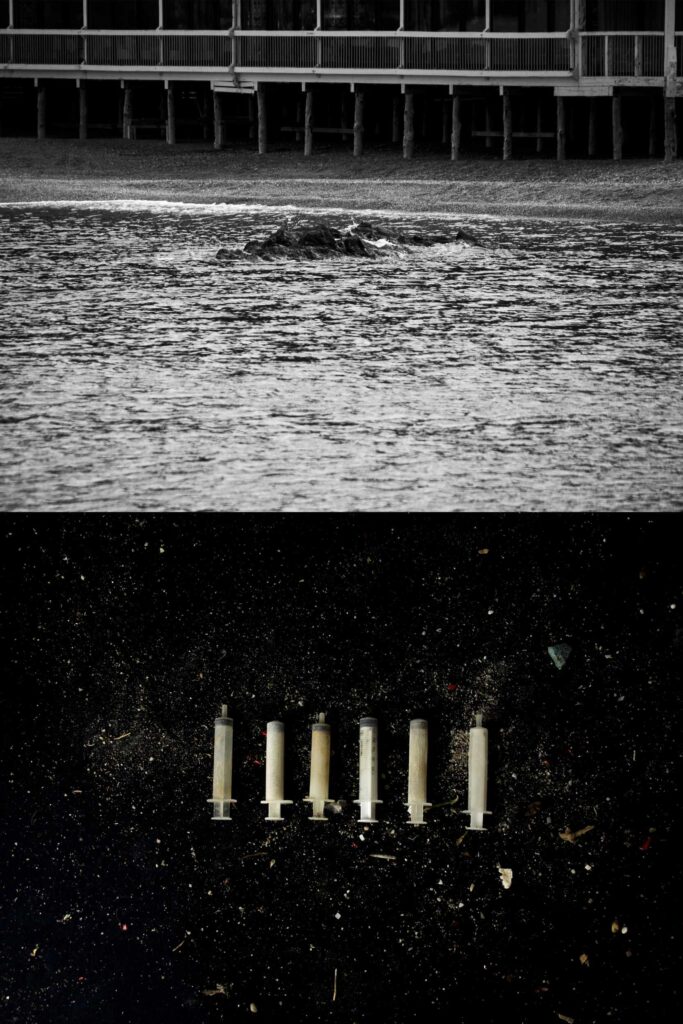
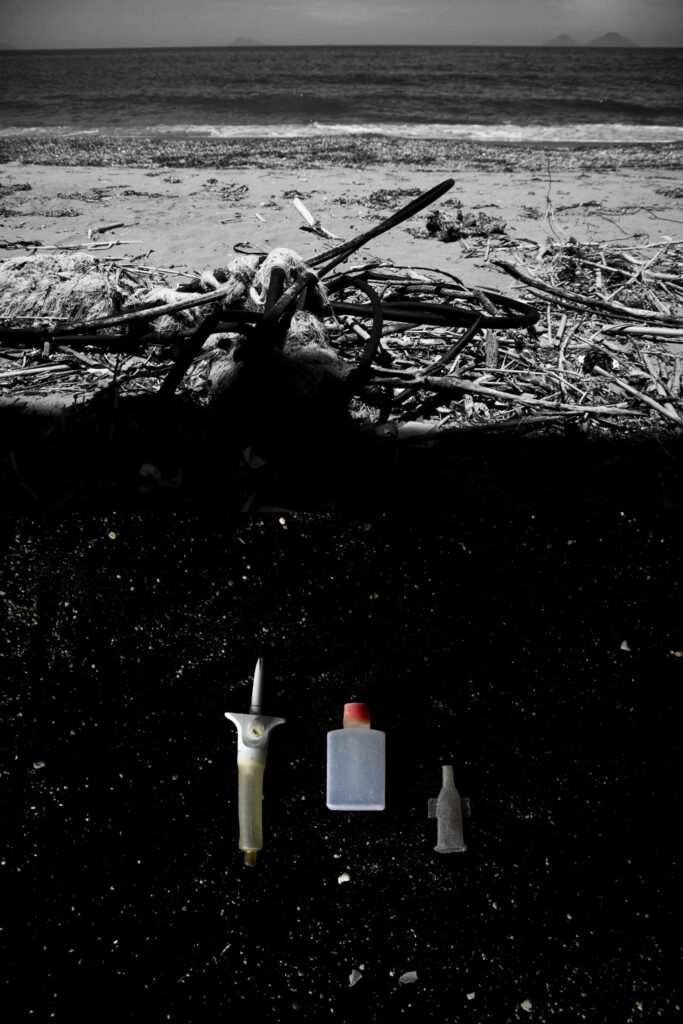
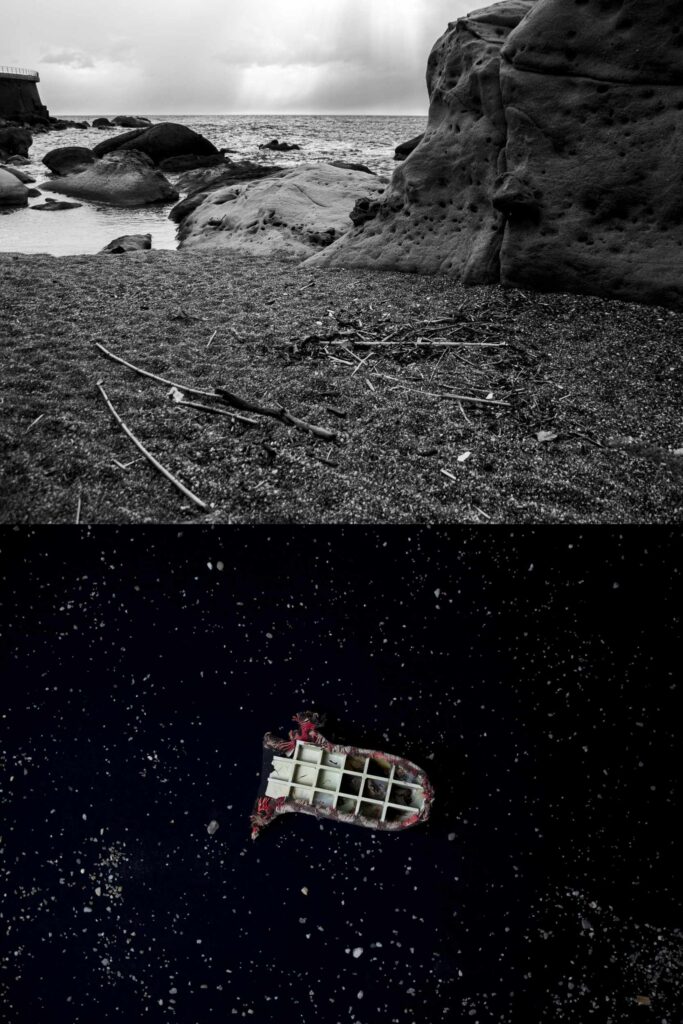
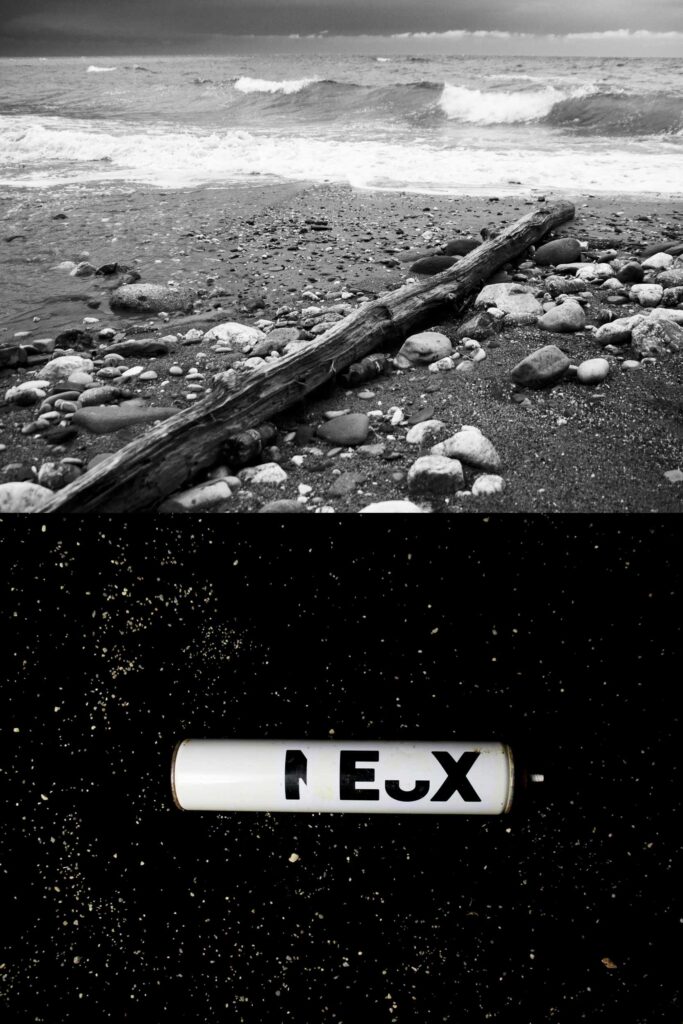
I live on an island and, true to my islander roots, I am naturally drawn to the sea. I have a favourite spot on Sicily’s Tyrrhenian coast that I have always known simply as the “little lake.” For me, it is a place for reflection—one that, over time, also became a subject of study. Stramondo was born from a need to chronicle the encounter between myself and everything that unfolds within this space.
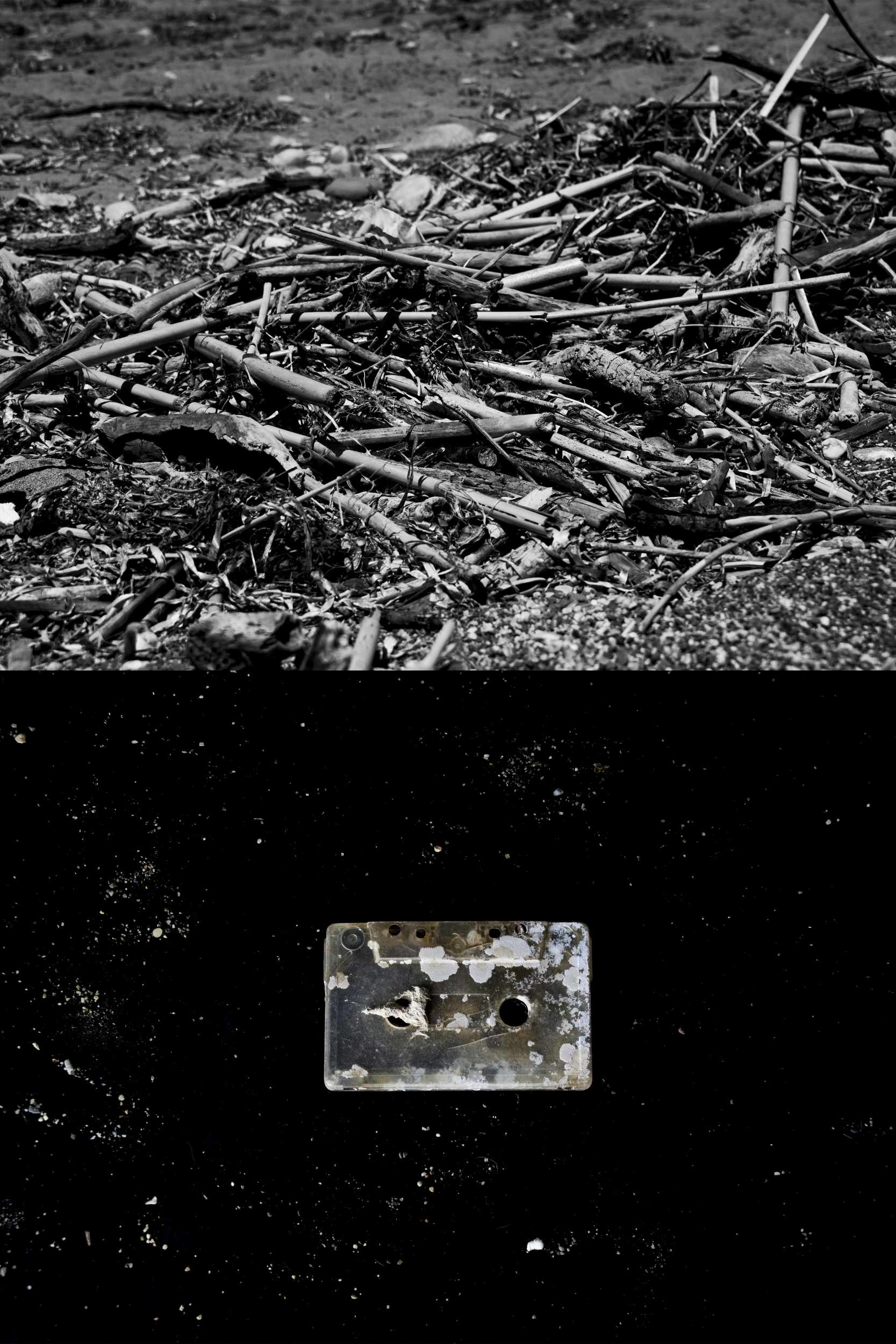
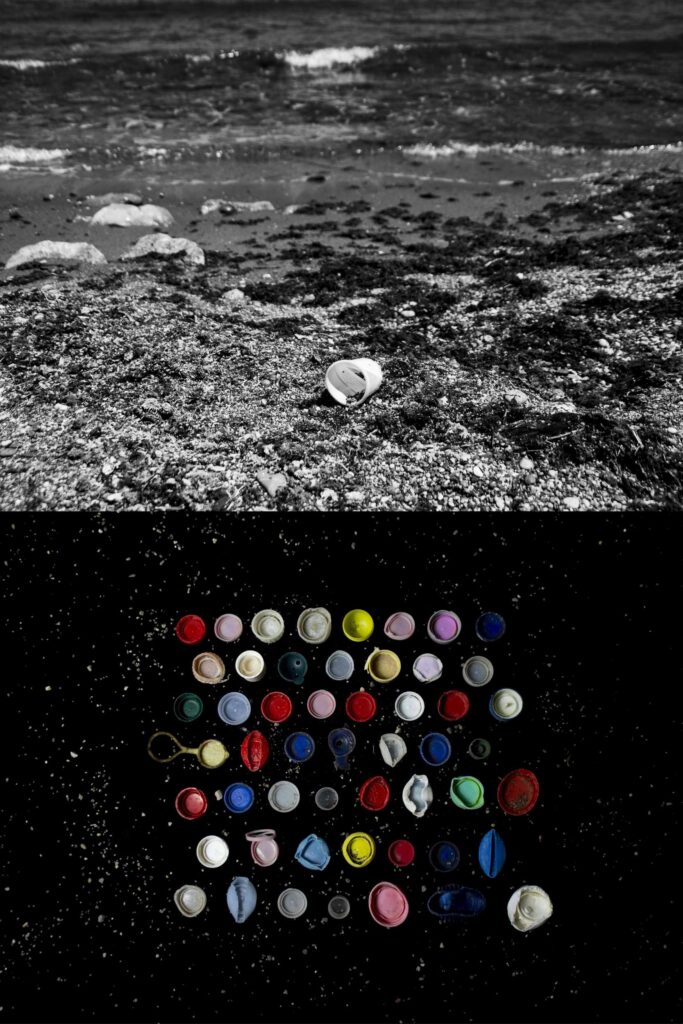
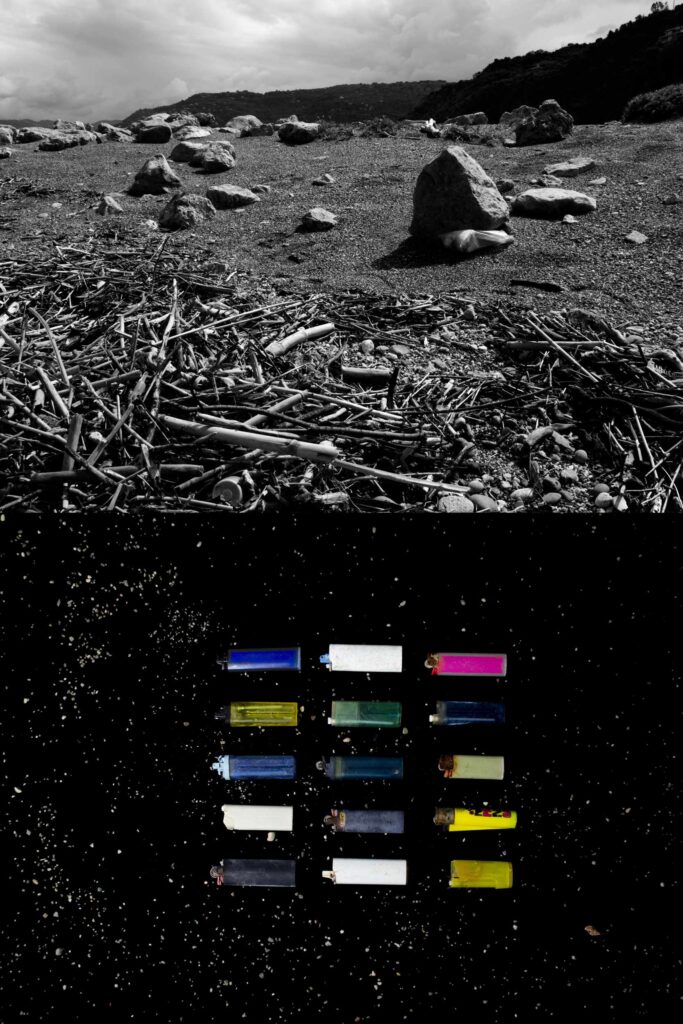
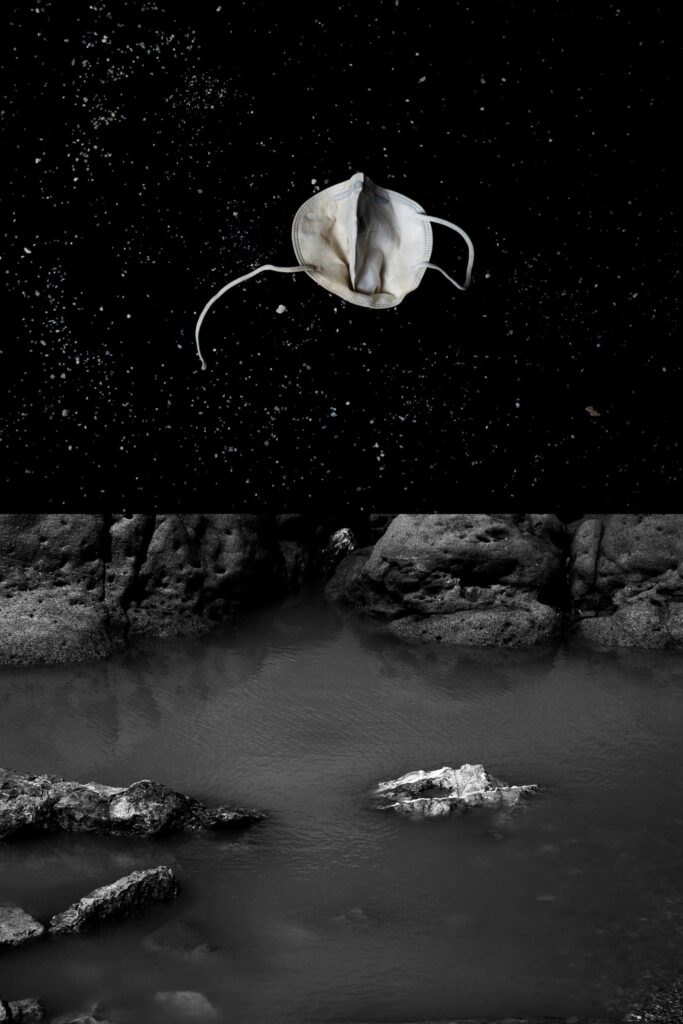
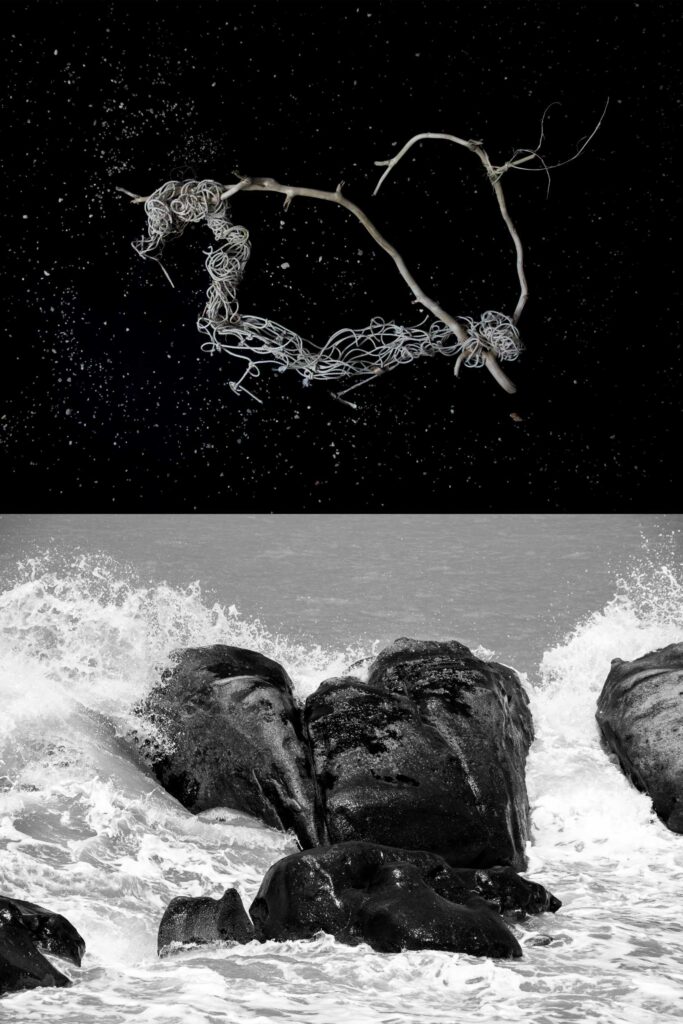
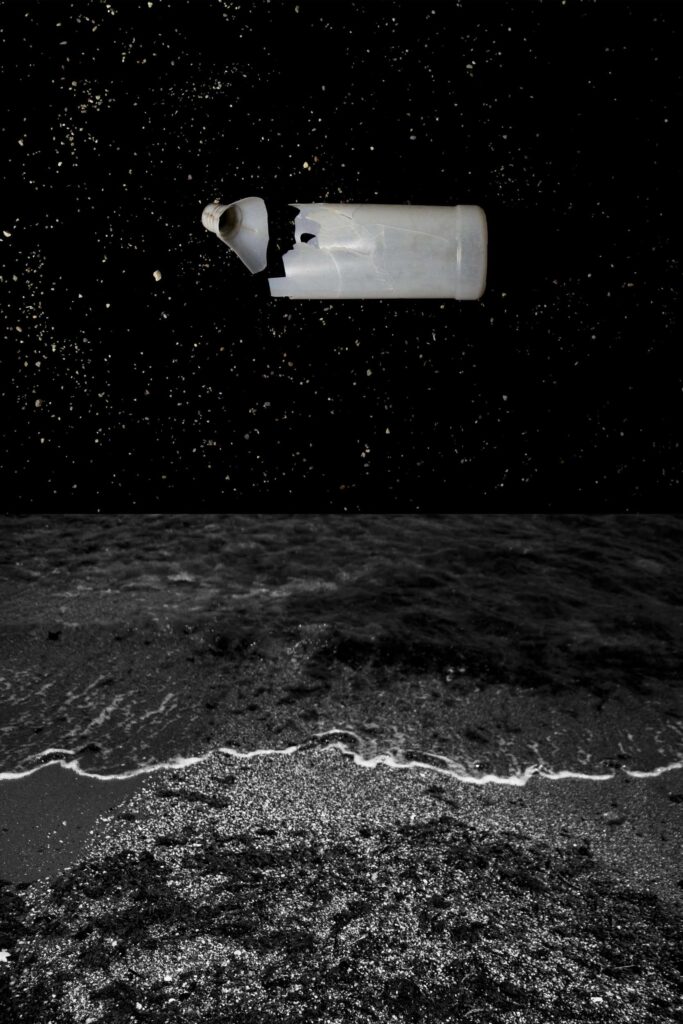
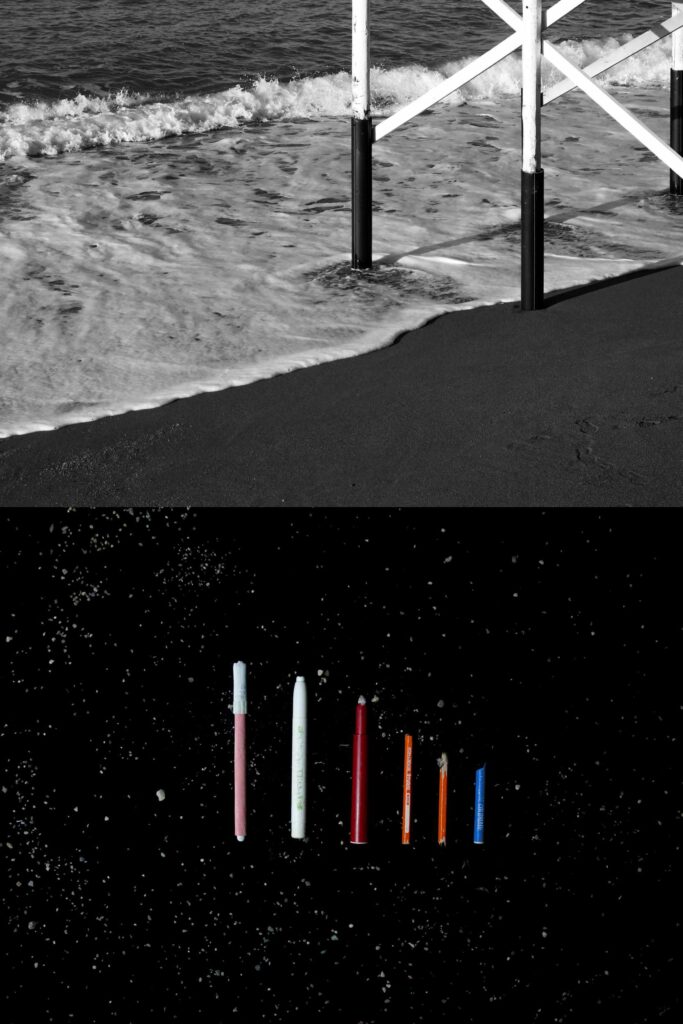
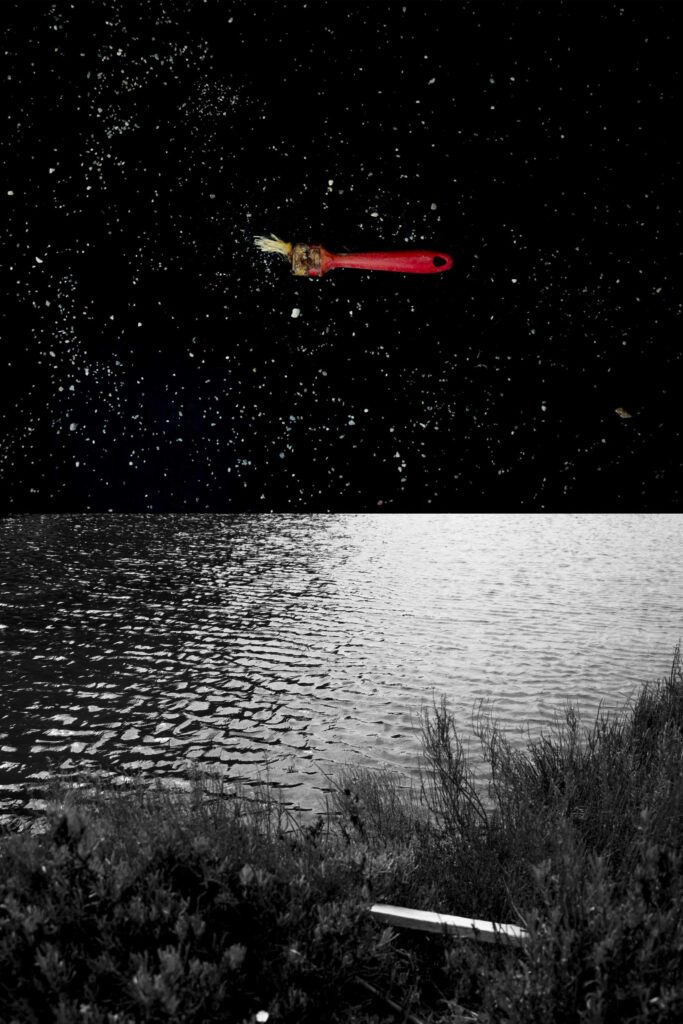
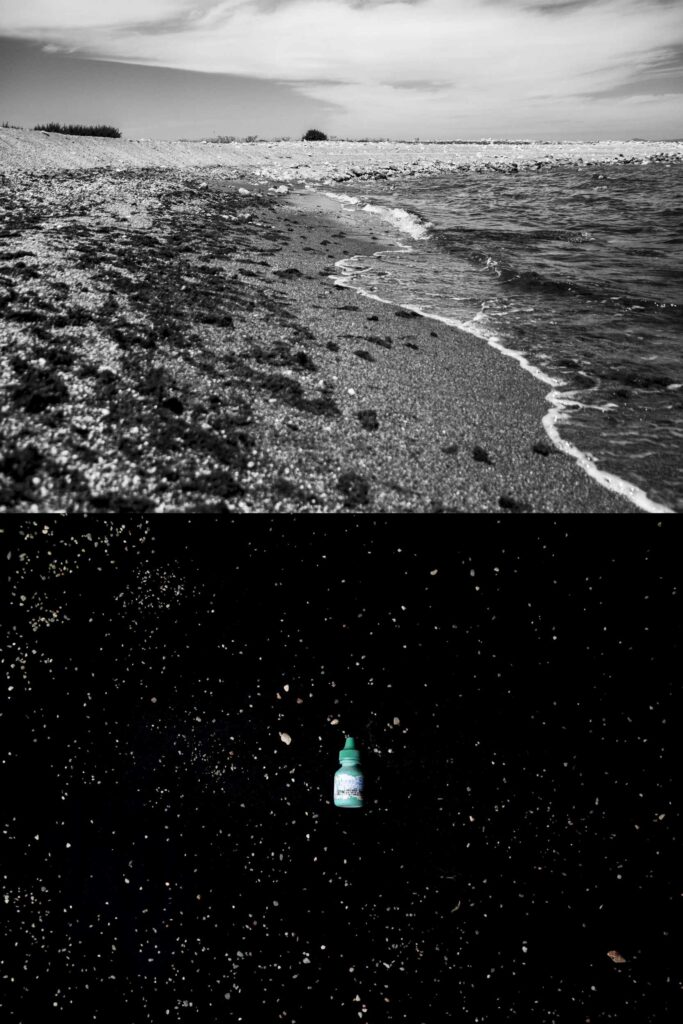
For over a year, I watched as storm surges washed up—or perhaps it is more accurate to say “spat out”—everything that humans produce and discard into the environment. As a keen observer, I realised this was no longer an isolated incident, but a form of modern-day abundance driven by consumerism. For months, I began collecting and cataloguing the various objects I found on the beach—even those of little value—creating an archive where they came to resemble archaeological artifacts suspended in a timeless void. Even the most insignificant object gained value through this sheer abundance. It was a tangible manifestation of the society we live in.
The more I collected and archived, the more I realised that this was no longer an exception, but an entirely ordinary state of affairs. I quickly noticed that the item most likely to be found was the bottle cap; I found countless numbers of them. Lighters, toothbrushes, parasol tips, syringes, medicines, toys, clothespins, perfume bottles, sanitary pads… objects from vastly different contexts, yet almost all sharing one common trait: the predominance of plastic. When we think of plastic, associations with disposability, consumerism, and abundance are perhaps among the first things that come to mind. The black background against which I isolated the object served not only to make these artifacts stand out but also to create a timeless, suspended dimension—an invitation to observe them in their entirety, free from distraction.
I wanted to find an effective way to bear witness to the tangible mark of the Anthropocene, and I chose to do so through the medium of storm surges. It is precisely from this feeling that the title “Stramondo” (Strange World) arises: a world where everything seems extraordinarily altered, disorienting, and stripped of its natural balance. It is a world transformed by human negligence—by our continued, prolific production of objects destined to be consumed and discarded, only for the sea to wash them back to us. The project seeks to question the nature of the human relationship with abundance: to what extent is consumerism ingrained in us, and to what extent is it spiraling out of control? How little value do we place on the objects we produce and discard, only to replace them with others? We ought to remember that every object abandoned on the planet does not simply vanish; instead, it becomes part of a much larger reality—existing not only outside us but within us, too—as a trace that will remain a permanent part of who we are.
The project seeks to question the nature of the human relationship with abundance: to what extent is consumerism ingrained in us, and to what extent is it spiraling out of control?