

Clothing as Evidence of Memory: The Visual Legacy of Afro-Brazilian Dress | Hanayrá Negreiros
Fashion might appear superficial on the first glance, yet it’s the loudest affirmation of our conscious and unconscious desires. Those desires, when manipulated and overwhelmed, can erode the sense of self; constant consumption doesn’t only rupture the connection between us and nature but also our connection to ourselves. The clothing we wear carries the remnants of material and memories from the land where it was grown, the hands that made it and the borders it crossed to reach us,  its story continuing even after we let go of it. Clothing is a political matter, organised under structures of harm or healing, justice or injustice.

Planted Journal, in its mission to bridge the gap between humans and nature, is introducing The Politics of Fashion: On Climate, Craft, Consumption and Colonialism. This series explores fashion beyond its surface, examining how the stories of what we wear shape the relationship between the personal and the planetary, the past and the present. By inviting selected creatives, designers and activists from across continents, the series seeks to challenge models of consumption and extraction and reintroduce fashion as a form of care.
Clothing can survive historical violence in ways that written documents sometimes do not.
A piece of fabric, a hairstyle, an ornament, or a particular way of wearing something can carry memory across generations.
Hanayrá Negreiros
Fashion researcher and curator
Hanayrá Negreiros is a fashion researcher and curator. Through her research, she examines materials and spiritual culture to uncover the erased histories of the Afro-Brazilian diaspora. Engaging with archives, including photographs, objects, and religious traditions, Negreiros offers a critical, decolonial account. In her practice, she reads clothing, the body, gestures, and adornment as powerful vessels through which to dismantle the social and political hierarchies and structures of power asserted by a Eurocentric gaze.
Negreiros’s internationally recognised curatorial practice emerges from questions of memory, status, spirituality, and desire. In 2024, she exhibited Através das águas costuramos outras histórias brasileiras (Through the Waters We Sew Other Brazilian Stories) at the State of Fashion Biennale in the Netherlands and Brazil. That same year, she was awarded the PIPA Foundation Residency for Early Career Curators.
She is also the author of Negras maneiras de vestir: Moda, memória e arte afro-brasileira (Black Ways of Dressing: Fashion, Memory and Afro-Brazilian Art); an English edition is planned. The work is shaped by familial and historical sources in which race, belonging, and structures of power converge through silhouettes. As the granddaughter and great-granddaughter of Black seamstresses and tailors, she approaches her family archives as historical sources. For the book, she further explores museum archives, deepening her critical research. In Negreiros’s practice, the academic, personal, and political are not separate worlds; familial and lived experiences become testimonies of resilience, community, and belonging.
For The Politics of Fashion, we invited her to offer new ways of questioning, seeing, and imagining the world, where spiritual and material cultures intertwine.
Priyanka Singh Parihar: You explore fashion as a political and personal language. What is the origin of this language for you, particularly in the context of body, memory, and family?
Hanayrá Negreiros: I think my understanding of clothing as a language began very close to home. I grew up surrounded by women who knew how to make things with their hands, particularly through sewing and dressmaking, so clothing was never simply something to wear. It was connected to work, care, creativity, memory, and survival.
As I began researching the history of Black women in nineteenth-century Brazil, I realised that clothing could also become a form of historical evidence. For people whose voices and experiences were often erased or poorly documented in written archives, the body and the things that surrounded it could tell other stories. Dress became a way of asking questions about belonging, status, spirituality, desire, and autonomy.
This is perhaps where my personal and academic interests meet. I understand fashion not only as something we consume but also as something through which we remember, construct ourselves, and communicate with others.
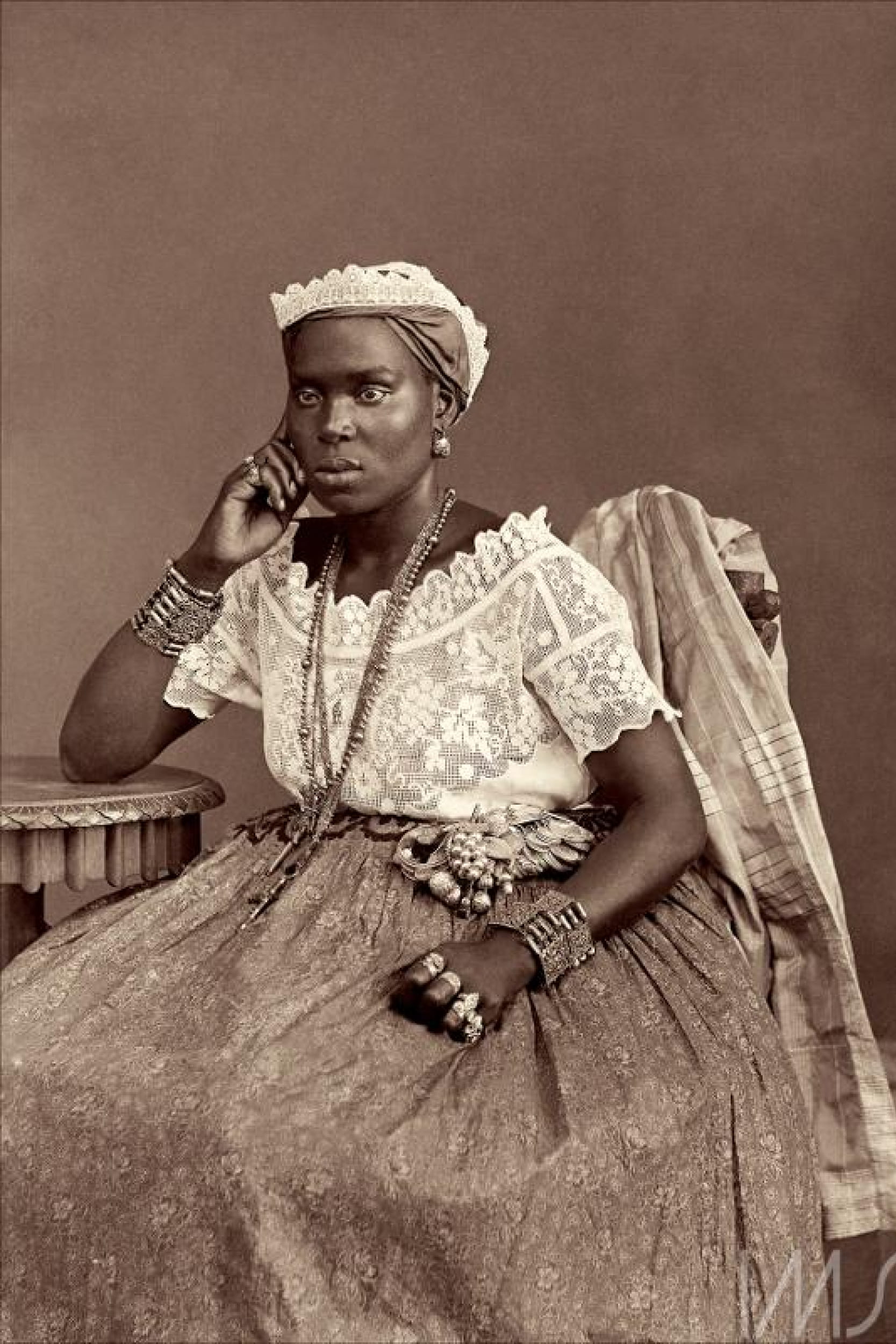
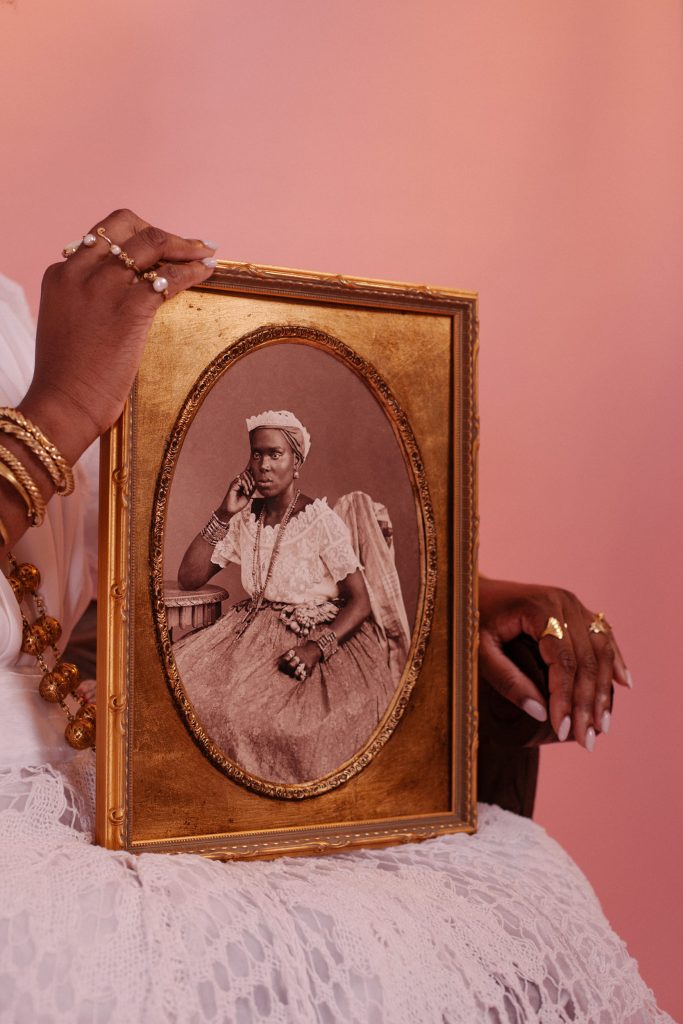
Priyanka: In your book Black Ways of Dressing: Fashion, Memory and Afro-Brazilian Art, you reflect on the picture of a beautiful African woman from Bahia by Marc Ferrez, photographed in 1885. While exploring this image, you play with imagination, mapping history and narrative through her clothing and adornment. How did you come across this image? What did it convey to you? Why is imagination crucial for world-building? How can images like this become a medium to explore the African diaspora beyond Eurocentric visions or narratives of the past?
Hanayrá: Wow! This question is amazing! I encountered the photograph while researching nineteenth-century representations of Black women in Brazil. What immediately struck me was the tension between what the photograph seems to show and everything it cannot tell us. We can see her clothes, her adornment, her posture and the way she occupies the frame, but we cannot hear her voice or know how she understood herself.
That gap became an invitation to imagine.
For me, imagination is not the opposite of historical research. It can be a way of approaching the archive critically, particularly when the archive itself was produced through unequal relations of power. I am not interested in inventing facts about her life. Rather, I use imagination to open questions that the historical record has closed or failed to preserve.
This is also important when thinking about the African diaspora. So much of its history has been narrated through colonial categories, through the eyes of those who documented, classified, and controlled Black lives. Looking carefully at clothing, gestures, adornment, and material culture allows us to shift the perspective. These images can become spaces where we think about Black people as subjects who made choices, cultivated aesthetics, maintained memories, and created worlds.
Priyanka: You move through significant themes within your book from erasure to religiosity, spiritual and visual culture. How did writing this book influence your inner landscape? Did it change the way you relate to your ancestry, your practice, or even to yourself?
Hanayrá: Writing the book changed my relationship with ancestry because it made me understand that ancestry is not only something we inherit. It is also something we actively reconstruct, care for, and make meaningful in the present.
The research brought me closer to forms of knowledge that are often treated as secondary to written or academic knowledge: clothing, images, gestures, religious practices, family stories, and material objects. It made me more attentive to the ways in which memory survives in forms that are not always recognised as archives.
It also changed the way I understand my own practice. I became more comfortable with the idea that scholarship can involve affection, intuition, and imagination without losing its rigor. In that sense, the book became both a historical investigation and a personal exercise in listening.
As I began researching the history of Black women in nineteenth-century Brazil, I realised that clothing could also become a form of historical evidence. For people whose voices and experiences were often erased or poorly documented in written archives, the body and the things that surrounded it could tell other stories. Dress became a way of asking questions about belonging, status, spirituality, desire, and autonomy.
Hanayrá Negreiros
Fashion researcher and curator
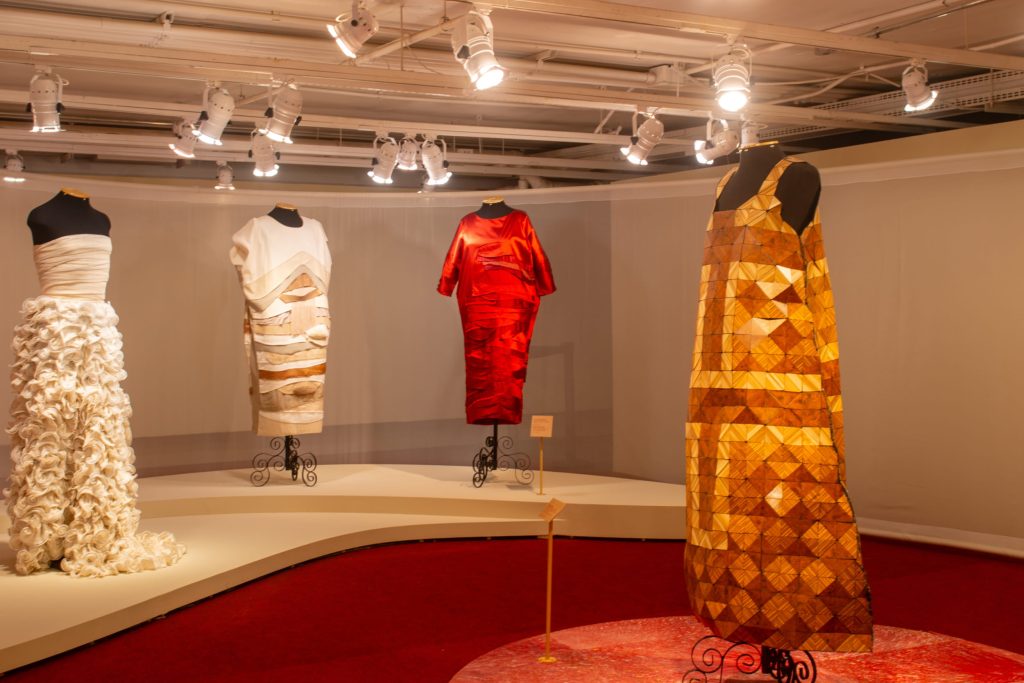
Priyanka: You co-curated Artistas do vestir: uma costura dos afetos, bringing together a community of more than seventy artists engaging in the creative process, collective memory, and ancestralities. How did these intersecting realities shape your understanding of the systemic issues?
Hanayrá: Working with Carol Barreto, Adriele Regine, and more than 70 artists made very clear to me that clothing is never an isolated creative practice. It is connected to networks of people, territories, memories, materials, and forms of knowledge.
The exhibition also made visible how many practices have historically been undervalued because they are associated with domestic work, craft, Black and Indigenous knowledge, or forms of making traditionally attributed to women. To bring these practices into an art gallery or a museum space is therefore not simply a matter of representation. It also means questioning who is recognised as an artist, whose knowledge is considered legitimate, who receives institutional visibility, and who is compensated for their work.
The collective dimension of the exhibition was particularly important because it challenged the idea of the artist as an isolated individual. It showed clothing as a field of relationships.
Priyanka: In your practice, how do the invisible forces of human systems and nature merge? How does it shape who is seen, honoured, and compensated? Does it influence rituals and practices that emerge from the act of survival and resistance?
Hanayrá: I think clothing makes these invisible systems unusually visible. Every garment carries relationships between human beings, materials, land, labour, technology, and capital, even when those relationships disappear behind the finished object.
The fashion system has historically made some forms of labour visible while making others invisible. This is especially evident when we look at racialised and gendered labour. The people who grow fibres, extract materials, sew garments, wash, repair, and care for clothing are often separated, both materially and symbolically, from the people who are celebrated for fashion.
At the same time, clothing can be a technology of survival and resistance. Communities transform materials, preserve techniques, create rituals, and develop their own aesthetics precisely under conditions in which their lives and knowledge have been threatened. I am interested in that tension: fashion can reproduce systems of exploitation, but it can also become a place where people create autonomy, memory, and collective power.
Priyanka: Objects are another medium you are drawn to. Is there an object that is particularly important to you? If yes, what is the spiritual story of this object?
Hanayrá: One object that is particularly important to me is my grandmother’s sewing machine. I came to know her through family memories, photographs, clothes, and the objects she left behind. She was a seamstress, and the sewing machine feels especially intimate because it carries the trace of her hands and the work she did with them.
For me, its spiritual story is about connection across generations. I can’t remember her voice or what it felt like to be with her, but I can touch something she touched. The machine makes her absence tangible and allows me to imagine her through the gestures of sewing, making, repairing, and caring. In that sense, it is more than an object: it is a material bridge to a woman I inherited through memory, stories, and the knowledge of making.
The fashion system has historically made some forms of labour visible while making others invisible. This is especially evident when we look at racialised and gendered labour. The people who grow fibres, extract materials, sew garments, wash, repair, and care for clothing are often separated, both materially and symbolically, from the people who are celebrated for fashion.
Hanayrá Negreiros
Fashion researcher and curator
Priyanka: What does “the politics of fashion” mean to you personally?
Hanayrá: For me, the politics of fashion begins with a simple question: who gets to dress, how, where, and under what conditions?
Clothing is often presented as an individual choice, but our choices are shaped by histories of race, class, gender, colonialism, labour, and access. Fashion is political because the body is political and because the production of what we put on our bodies is embedded in social and economic systems.
At the same time, I do not think politics in fashion is only about consumption. It is also about creativity, memory, pleasure, identity, and the possibility of imagining other ways of being together.
Priyanka: Share with us an experience, a memory, or an incident that made a long-lasting impact on your perception of fashion as a medium for creating the transition we so desperately need in a changing world.
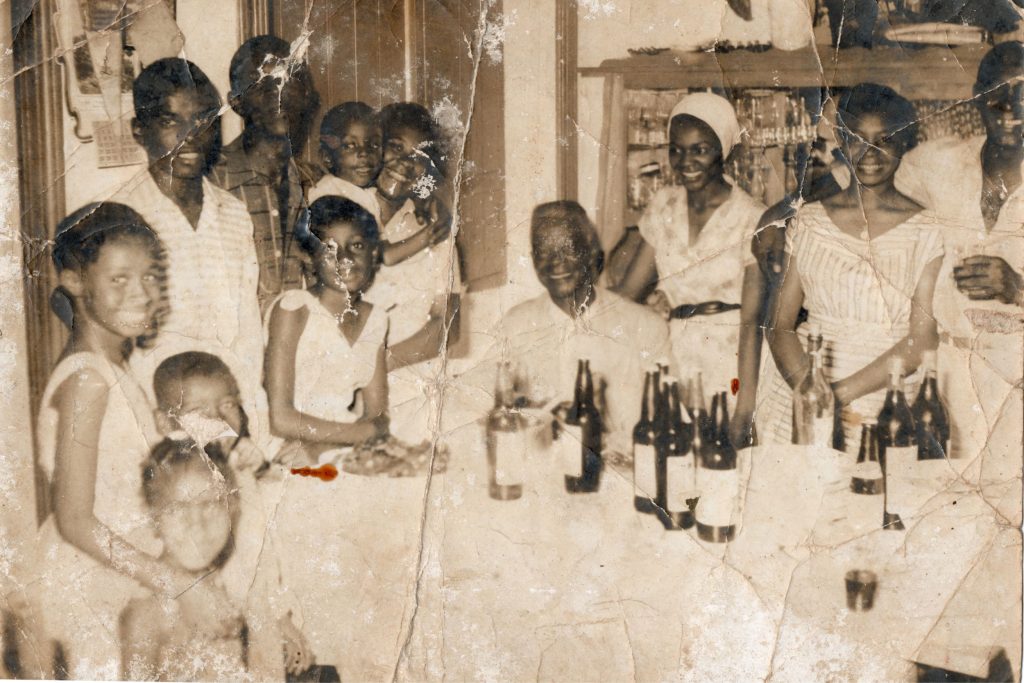
Hanayrá: One of the experiences that most shaped my understanding of fashion was encountering historical photographs of Black women and realising how much information could be found in their clothing, even when their biographies had been almost completely erased.
It made me understand that clothing can survive historical violence in ways that written documents sometimes do not. A piece of fabric, a hairstyle, an ornament, or a particular way of wearing something can carry memory across generations.
That experience changed the way I think about fashion’s transformative potential. Transformation does not necessarily mean creating something completely new. Sometimes it means learning how to see what has already been there, recovering forms of knowledge that have been dismissed, and allowing them to speak again.
Priyanka: Fashion might appear to be an individual affair. However, we are constantly communicating through it, affirming our belonging to a culture, place, or tradition. Do you believe this relationship between clothing and belonging is being eroded in an era of constant consumption? If yes, what are the ways in which we can ground ourselves to find meaning in what we wear beyond passing trends?
Hanayrá: Yes, I think constant consumption can weaken our relationship with clothing because it encourages us to understand garments primarily through novelty. When something is constantly replaced, it becomes more difficult to develop an emotional relationship with it.
But I also think clothing offers many possibilities for resisting this logic. We can pay attention to where our clothes come from, who made them, what materials they are made from, how long they have been in our lives, and what memories they accumulate. Wearing something repeatedly, repairing it, altering it, inheriting it, or giving it another life can all be forms of resistance to disposability.
For me, meaning comes from building relationships with clothes rather than simply acquiring them.
Clothing is often presented as an individual choice, but our choices are shaped by histories of race, class, gender, colonialism, labour, and access. Fashion is political because the body is political and because the production of what we put on our bodies is embedded in social and economic systems.
Hanayrá Negreiros
Fashion researcher and curator
Priyanka: Sustainability has become ‘exclusive’. With the jargon of greenwashing campaigns, fashion brands are confusing customers, and prices are often beyond the reach of many. What do ‘sustainability’ and ‘luxury’ mean in this context? And what about people who genuinely cannot afford buying ‘sustainable’ brands? How do we move beyond shaming and find an ethos of fashion that is inclusive?
Hanayrá: I am uncomfortable with the idea that sustainability should be reduced to an individual consumer’s ability to buy a more expensive product. That turns an enormous systemic problem into a question of personal morality and often places the burden on people who have the least power within the system.
Sustainability should not be a luxury product. It should mean creating systems in which workers are treated fairly, materials are used responsibly, garments are made to last, and people have access to dignified clothing without exploitation.
Most importantly, we need to move away from shame. People should not be morally judged for what they can afford. The fashion industry needs to take responsibility for changing the structures of production rather than transferring that responsibility entirely to consumers.
Priyanka: Clothing has been a crucial commodity that shaped the colonial past. In your opinion, is the colonial legacy of the past still embedded in today’s fashion systems?
Hanayrá: Absolutely. Colonialism is not only something that happened in the past. Its economic and visual structures continue to shape contemporary fashion.
The global fashion system still depends on profound inequalities between those who design, own, consume, and profit from fashion and those who produce it. These inequalities are often racialised and gendered, and they follow historical patterns established through colonial forms of extraction and labour.
There is also a visual legacy. Fashion has repeatedly taken inspiration from cultures and communities while separating the aesthetic from the people who created it. Certain forms of dress are celebrated as inspiration when detached from their histories, while the people associated with those same forms can be marginalised or stereotyped.
Thinking about fashion after colonialism therefore requires more than diversifying images. It requires questioning the structures through which value, authorship, knowledge, and money circulate.
Priyanka: How can we practise care through our fashion choices? By demanding a fairer supply chain, do you think we can connect profoundly with not only other humans who made our clothes but also with the planetary body?
Hanayrá: Yes, but I think care needs to be understood as both an individual and collective practice.
At an individual level, care can mean wearing things for longer, repairing them, learning about their materials and production, resisting unnecessary consumption, and developing an emotional relationship with what we own. But these practices cannot replace structural change.
Demanding transparency, fair wages, safer working conditions, and responsible use of natural resources can help us recognise that a garment connects us to many other lives. The person who made it and the land from which its materials came are not distant from our everyday experience. They are part of the garment.
Perhaps this is one of the most important political possibilities of fashion: to make relationships visible. When we understand clothing not as a disposable object but as the result of human labour, natural resources, histories, and forms of knowledge, care becomes not simply an aesthetic choice, but an ethical and political practice.
When we understand clothing not as a disposable object but as the result of human labour, natural resources, histories, and forms of knowledge, care becomes not simply an aesthetic choice but an ethical and political practice.
Hanayrá Negreiros
Fashion researcher and curator
Introduction and Interview by Priyanka Singh Parihar
Founder and EIC
Priyanka Singh Parihar is a BIPOC writer, curator, and art director who explores the connection between humans and nature, seeking new ways of existing. Hailing from a rural farming community in India and now residing in Milan, she observes the world through two distinct cultural perspectives: East and West, rural and urban.
Her work with Planted Journal began during a period of severe depression and eco-anxiety. Through creative practice, she found a path to healing. With a history education in Delhi, which provided her with critical and academic tools, and a master’s in fashion styling in Milan, where design, fashion, and aesthetics have shaped her, she is now dedicated to applying her experience to the field of climate justice.